The Symbiotic Future: How the Internet of Things is Redefining Social Connectivity
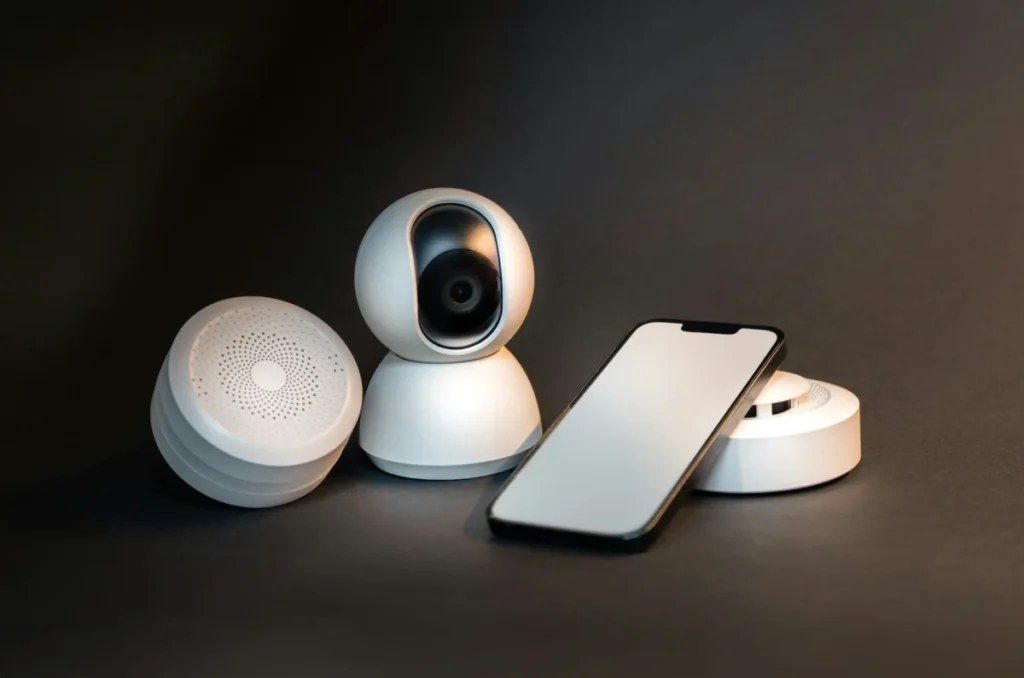
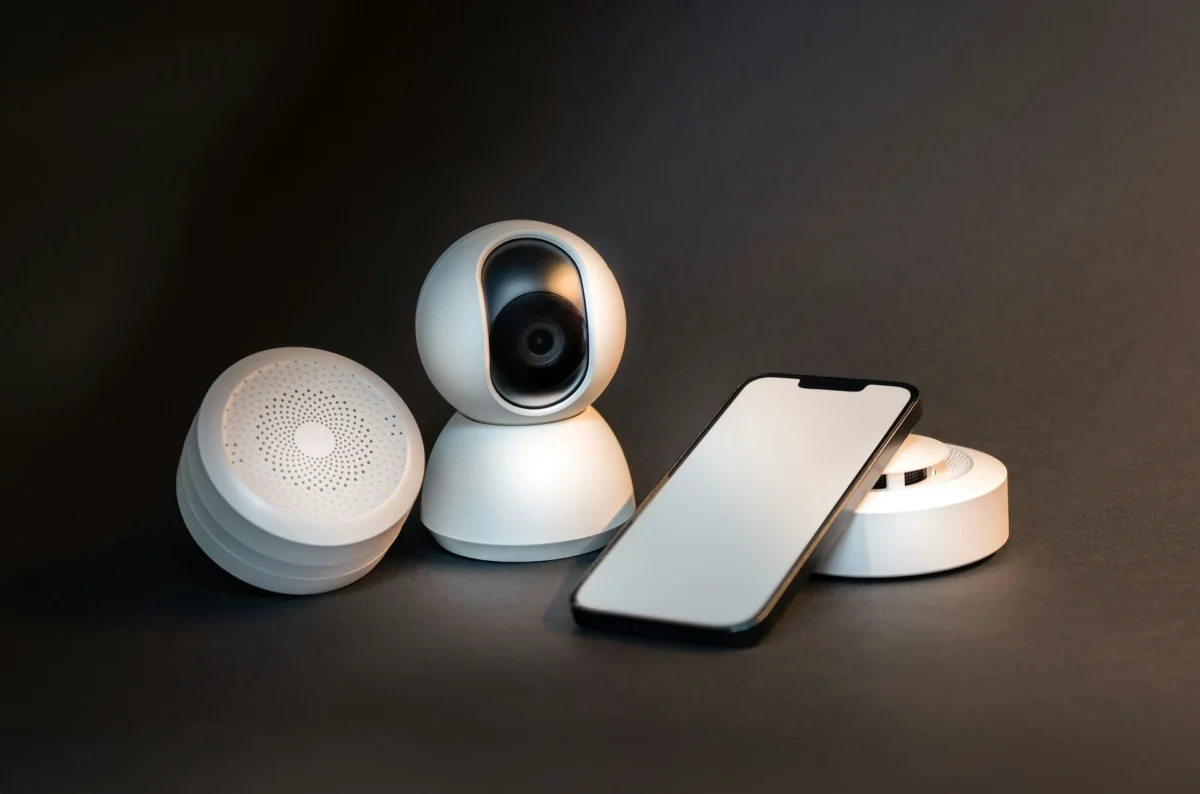
The digital landscape is undergoing a metamorphosis that makes the social media of a decade ago look like a primitive relic. Gone are the days when engagement was defined solely by a manual process: snapping a photo, typing a caption, and waiting for the dopamine hit of a "like." Today, social media is evolving into a predictive, omnipresent ecosystem, and the catalyst for this transformation is the Internet of Things (IoT).
As we move toward a future where more than 50 billion connected devices are expected to populate the globe by 2035—according to projections from IoT Analytics—the line between our physical environment and our digital social presence is rapidly dissolving. We are shifting from a "social web" to a "connected reality," where our devices act as silent, automated conduits for our digital identities.
The Evolution of Connectivity: A Chronology of Social Integration
To understand where we are going, we must look at the trajectory of our digital evolution:
- 2005–2012 (The Manual Era): Social media was defined by active user participation. The user was the sole generator of data. Connectivity was limited to desktops and early smartphones.
- 2013–2019 (The Algorithmic Era): Platforms began leveraging massive datasets to personalize feeds. The introduction of sophisticated ad-targeting and content recommendation engines transformed the user experience from chronological to curated.
- 2020–2024 (The Integration Era): The rise of wearables and smart-home ecosystems began creating "silos" of data. During this time, platforms like Samsung’s SmartThings bridged the gap between individual devices and cloud-based management, serving over 400 million users.
- 2025 and Beyond (The Ambient Era): We are entering a phase where IoT devices—fridges, vehicles, smart glasses, and health trackers—act as autonomous social agents. The user is no longer the sole contributor to their profile; the environment contributes on their behalf.
Supporting Data: The Scale of the Shift
The sheer volume of data being generated by IoT devices is staggering. In 2024 alone, the consumer market saw the shipment of over 156 million smartwatches. These devices do more than track steps; they capture biometric heart-rate data, geolocation, and activity intensity.
When these hardware metrics are fed into social media APIs, the potential for content creation is exponential. According to industry research, the integration of IoT sensors into daily life is projected to create a tenfold increase in the "data-per-user" metric on social platforms by 2030. Furthermore, consumer sentiment is shifting; PWC reports that 51% of consumers now actively prefer hyper-personalized content, viewing it as a convenience rather than an intrusion, provided the value proposition remains high.
Four Pillars of the IoT-Social Revolution
The merger of these two massive technological sectors is not merely a feature update; it is a fundamental shift in how we interact with the world.
1. Real-Time, Auto-Generated Content
The "friction" of manual posting is the primary barrier to constant social presence. IoT removes this. A future in which a smartwatch automatically updates a fitness group on your marathon progress, or a vehicle posts real-time road-trip updates to a travel feed, is no longer speculative. This turns the user into a passive curator of their own life, with devices doing the heavy lifting of digital storytelling.
2. Hyper-Personalization and Predictive Feeds
When social platforms gain access to the granular data of your life—when you sleep, how your heart rate reacts to specific stimuli, what your pantry lacks, and where your car spends most of its time—they can move from reactive to predictive. Your feed will not just show you what you liked yesterday; it will suggest what you need tomorrow. This capability, however, brings us to a significant ethical crossroads regarding digital addiction and the potential for psychological manipulation.
3. The Death of Traditional Search (Social SEO)
The paradigm of "searching" is dying. Users no longer want to navigate through search engine results pages; they want immediate, contextual answers. With 46% of Gen Z users already utilizing social platforms as their primary discovery tool, the integration of IoT creates a "Decision Engine." When your smart fridge can poll your social network for the best oat milk brand or your car’s dashboard can pull reviews from social posts pinned to a specific GPS coordinate, social media becomes the primary UI for physical-world navigation.
4. Seamless Augmented Reality (AR) Experiences
The final frontier of this integration is the visual overlay. As smart glasses—like those pioneered by Meta and Ray-Ban—become more mainstream, social media will move off the screen and into the environment. Imagine walking down a street and seeing floating "social tags" over local businesses, indicating what your friends ordered or whether they rated the service highly.
Official Responses and Industry Implications
The rapid adoption of these technologies has not gone unnoticed by regulators. The tension between hyper-personalization and privacy is the defining debate of the current decade.
Legal experts and advocacy groups are increasingly concerned about the "all-encompassing" nature of this data. For instance, ongoing litigation, such as the various lawsuits targeting Meta over mental health impacts on younger users, underscores the potential for danger when platforms optimize for engagement without guardrails.
Industry leaders are responding with "Privacy by Design" initiatives, yet critics argue these are insufficient. In statements regarding the future of AI-driven social media, various industry stakeholders have emphasized that the onus of safety will likely shift toward stronger, government-mandated data portability and "right-to-delete" policies. The industry is currently in a race to balance the benefits of predictive algorithms against the growing demand for user autonomy.
The Implications: Privacy, Ethics, and the Human Element
The integration of IoT and social media presents a significant trade-off: convenience at the cost of total transparency. If a breach occurs within an IoT ecosystem linked to a social profile, the consequences are far-reaching. It is no longer just about a compromised password; it is about the exposure of your behavioral patterns, health history, and physical location.
However, the "Big Takeover" hypothesis—the idea that IoT will render human interaction obsolete—remains unlikely. The core of social media is, and will remain, the human connection. The Internet of Things is, at its essence, a toolset.
The Path Forward
To navigate this new era, several shifts are required:
- Regulatory Maturity: Governments must establish frameworks that treat IoT-generated data with the same legal protection as private medical records.
- User Literacy: As the "ambient" nature of social media grows, users must be educated on how to toggle their device-to-social permissions.
- Human-Centric Design: Developers must prioritize the user’s agency, ensuring that while the technology acts for us, it does not act against our interests.
Conclusion
The future of social media is not found in a feed we scroll, but in an environment we inhabit. By 2035, the distinction between a "smart home" and a "social network" will be virtually nonexistent. While the technological capabilities of this integration are awe-inspiring, the ultimate success of this digital evolution depends on the balance between automated convenience and the preservation of human privacy. As we continue to build this web of connected devices, we must ensure that we remain the architects of our own experience, rather than subjects of the algorithm.