The Final Frontier: Reverse Engineering the Original PlayStation 2 Security Chip
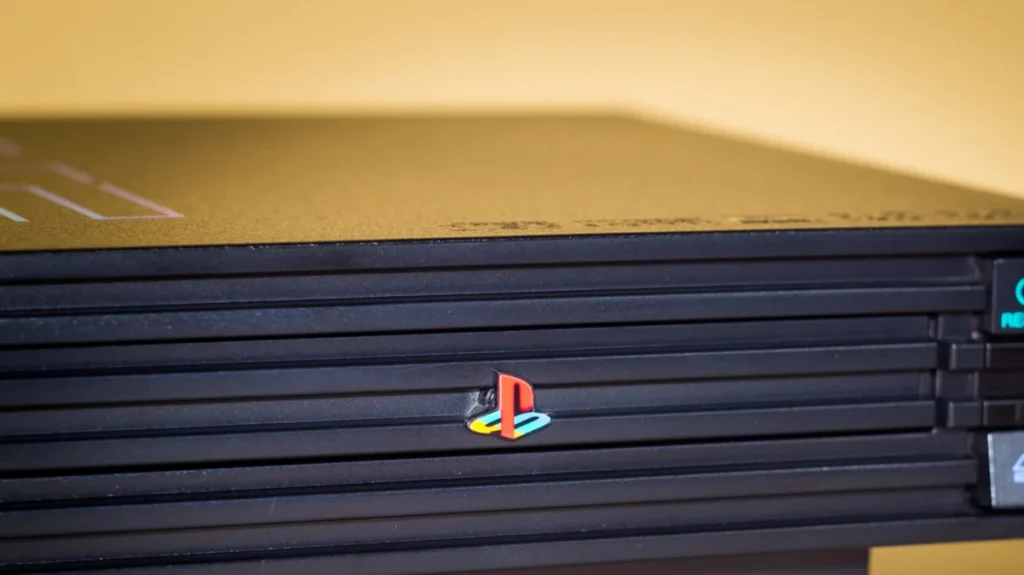
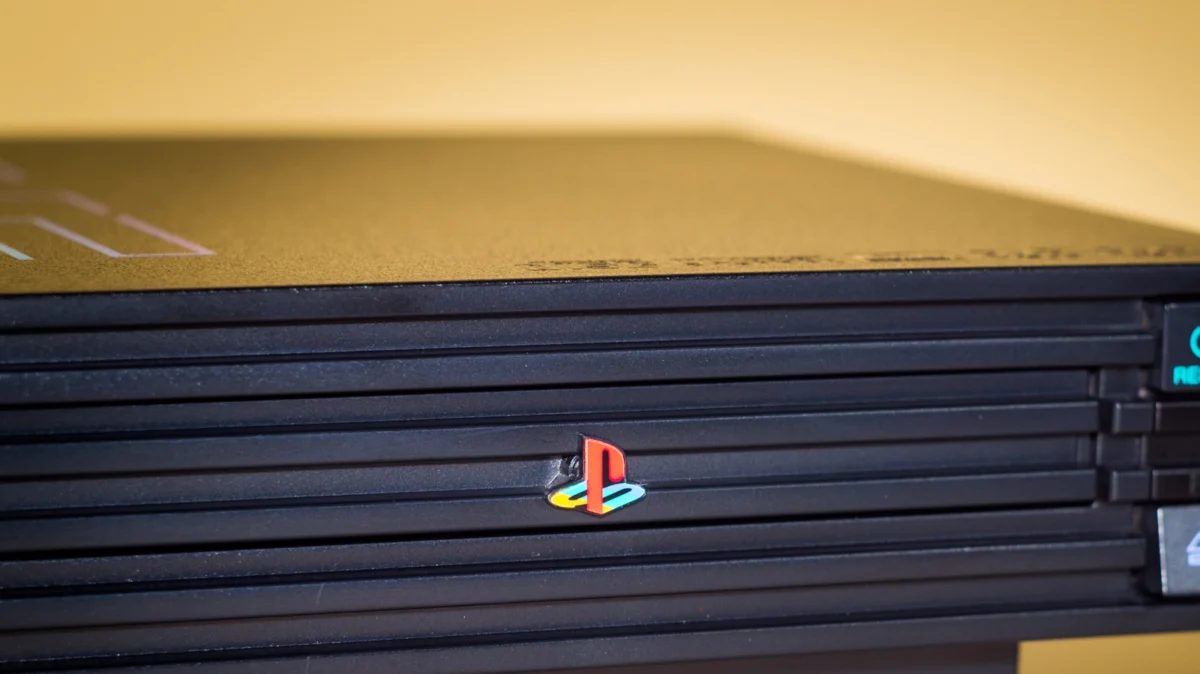
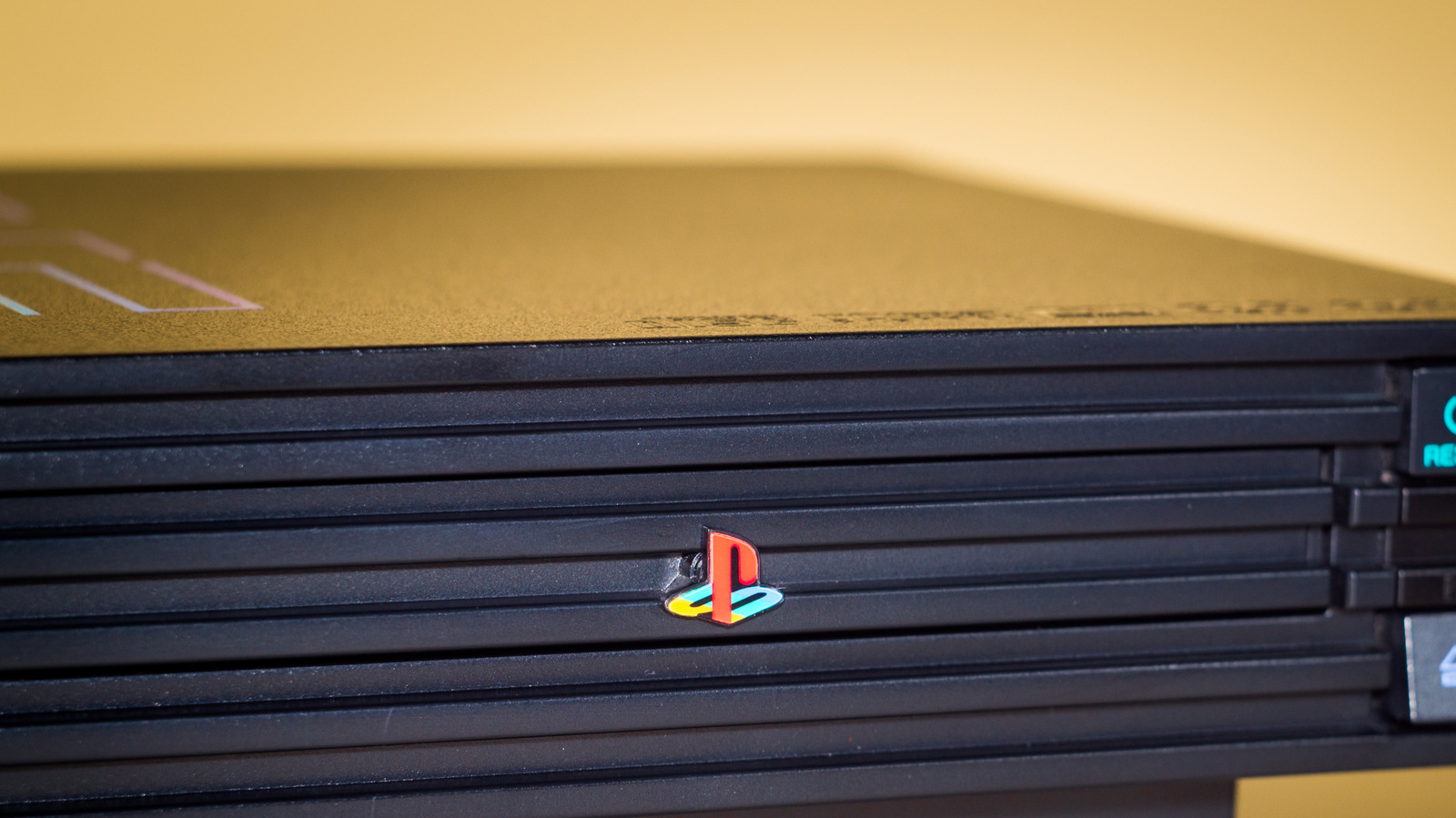
More than a quarter-century after the iconic "fat" PlayStation 2 first graced living rooms, the console’s most stubborn secret has finally been laid bare. A dedicated group of enthusiasts, led by the developer known as DiscoStarslayer, has successfully extracted and reverse-engineered the firmware of the SPC970 "MechaCon" chip. This component, long considered the "black box" of the original PS2 architecture, was responsible for disc authentication and the console’s primary security protocols.
The successful dump of this firmware marks a significant milestone in retro-gaming preservation, completing the last major unmapped piece of the PS2’s internal puzzle. It is a victory for the preservationist community, offering a glimpse into the hardware logic that governed one of the most successful gaming consoles in history.
The Chronology: A Four-Year Odyssey
The road to this discovery was neither quick nor easy. For years, the SPC970 chip remained a formidable barrier. Earlier attempts to extract the firmware involved invasive, high-cost methods—such as stripping the chip’s physical packaging and attempting to read the underlying silicon directly. These efforts were largely unsuccessful, resulting in only fragmented, incomplete, and often corrupt "rough dumps."
The breakthrough occurred when the project shifted from brute-force physical intervention to a sophisticated software-based exploit. Collaborating with a developer known as Libby, DiscoStarslayer utilized an elegant, albeit risky, buffer overflow vulnerability. The team discovered that by manipulating the chip’s communication with its own EEPROM—specifically by tricking the system into accepting a "zero-block" configuration write—they could force the chip to read its own read-only memory (ROM) into its writable storage space.
By iterating this process approximately 1,000 times, the team was able to dump the full 256KB firmware image onto a standard USB drive. The achievement, which has now been fully documented on GitHub, includes 22 unique firmware images covering the entire early lifespan of the "fat" PS2, ranging from the Japan-only SCPH-15000 model (released in 2000) to the 39000-series models (released in 2002). Crucially, these dumps also encompass the firmware for the Namco System 246 and 256 arcade boards, which utilized the same proprietary hardware.
The Technical Breakdown: How the "MechaCon" Was Cracked
To understand the significance of this dump, one must understand the architecture of the MechaCon. The SPC970 stores its core operating code in "mask ROM," a type of memory that is physically hardwired during manufacturing and cannot be updated, patched, or overwritten.
The security group, collectively known as the "spc970-dumper-union," discovered a fundamental flaw in how the chip manages its 1KB EEPROM. By opening a configuration write session with an intentionally malformed instruction, the internal counter would underflow. This allowed the team to push more data than the seven-block buffer could hold, causing an overflow that corrupted the memory address pointers. By carefully controlling this overflow, they could point the system to the chip’s ROM rather than its intended destination.
This is not a risk-free procedure. Because the process requires constant overwriting of the EEPROM—a component with a finite lifespan and no wear-leveling logic—the dumper tool performs a comprehensive backup before execution. Despite these safeguards, the documentation from the project lead, Libby, warns users that the process carries a non-zero risk of "bricking" the console or causing permanent hardware-level damage. It is a process for the experienced, not the casual hobbyist.
Implications for Emulation and Hardware Modification
The implications of this dump are far-reaching, particularly for the community surrounding the PCSX2 emulator. For years, PCSX2 has relied on a clever but imperfect "stand-in" method to simulate the MechaCon. Because the code was never fully understood, developers had to reimplement the chip’s commands in C++ and rely on external NVRAM files to mimic the console’s identity.
"Generated stand-in data isn’t a substitute for hardware values when a security check inspects console identity," DiscoStarslayer noted in the documentation for their PCSX2 fork, Reliquary. By having access to the real firmware, developers can now replace these synthetic approximations with the actual, low-level logic used by the original hardware. This promises to bridge the gap between "functional" emulation and "cycle-accurate" emulation, potentially fixing long-standing issues with game compatibility and system behavior.
Furthermore, this discovery provides a roadmap for hardware modders. While these images are not, by themselves, sufficient to build an optical drive emulator, they provide the necessary intelligence to design modern modchips that could replace the aging MechaCon while maintaining original optical drive functionality.
Bridging the Gap: The Legacy of MechaPwn
This project is effectively the missing piece in a timeline that began with the "Dragon" MechaCon dump in 2021. Shortly after the Dragon firmware was made public, developers released MechaPwn, an exploit that allowed later-model PS2s to become region-free and run backup discs. However, MechaPwn explicitly stated that it could not support the older, first-generation "fat" consoles because their security chips were fundamentally different.
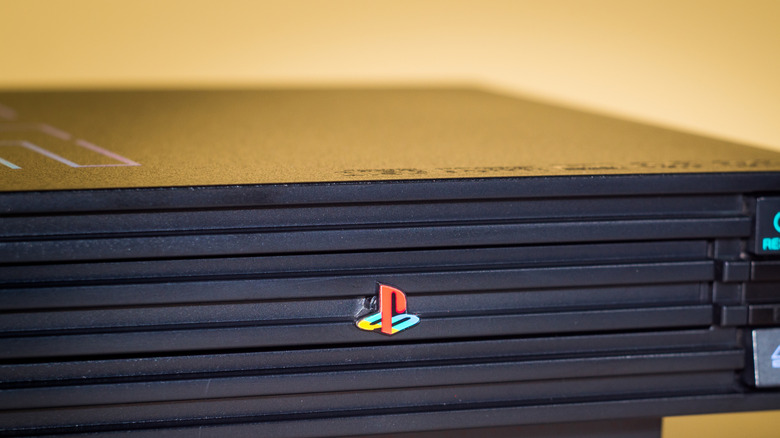
For three years, that exclusion left roughly 20 early model numbers—spanning the 2000–2003 era—in a state of technological limbo. While these users could utilize memory card and hard drive exploits to load software, they lacked the "chip-level" unlock enjoyed by their successors.
The SPC970 dump changes this dynamic, though it remains a long-term goal. As contributor uyjulian points out, the "Dragon" chip was easier to crack because it was designed to accept patches, providing researchers with a vector for injection. The SPC970, conversely, is "baked" into the hardware; it cannot be updated, meaning researchers must find a static vulnerability in its original, immutable code.
A Cultural Victory for Preservation
Beyond the technical wizardry, the successful reverse engineering of the SPC970 is a triumph for the digital preservation movement. As physical hardware ages, components inevitably fail—a process known as "bit rot" or simple hardware degradation. By capturing the firmware of these early machines, the community has ensured that even if every physical SPC970 chip were to fail, the logic of the PlayStation 2 could be recreated in silicon or software.
Sony has never officially commented on the "MechaCon" architecture or the exploits used to circumvent it, as the company has long since moved on from the PS2 ecosystem. However, for the enthusiasts who spent four years staring at hex code and logic analyzers, the goal was never piracy or subversion. It was the desire to understand a piece of history that was intended to remain locked behind a wall of proprietary silence.
With the SPC970 finally decoded, the PlayStation 2 has officially surrendered its final major secret. While the journey toward a "MechaPwn-style" universal unlock for these early models continues, the groundwork has been laid. The console that defined a generation is now, in every sense of the word, an open book. As the community continues to analyze the 256KB of data extracted from the chip, we can expect further advancements in the fidelity of our emulators and the longevity of our favorite vintage consoles.