ArmSoM Expands the Sige Lineup: Introducing the Sige7s and CM7s
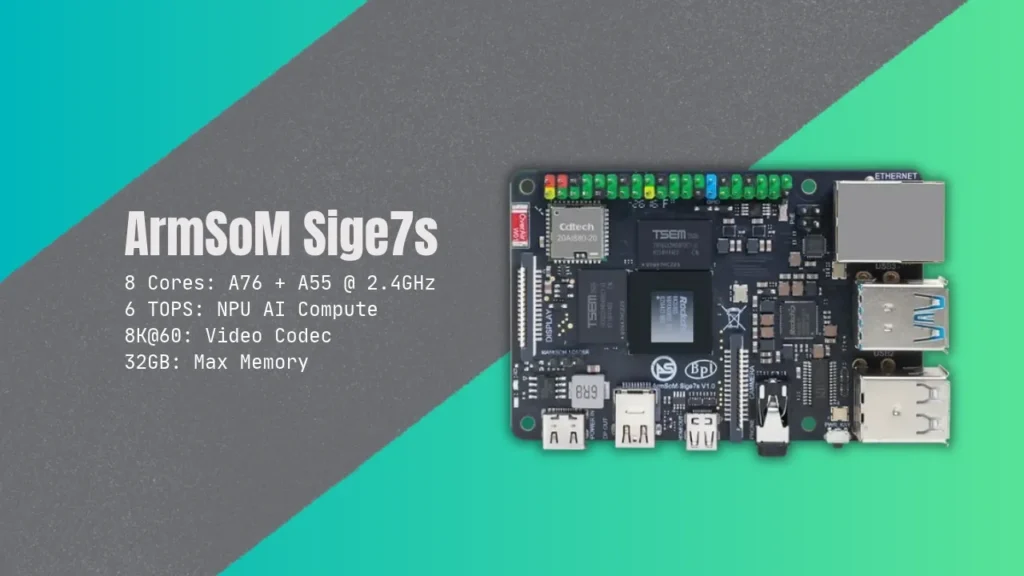
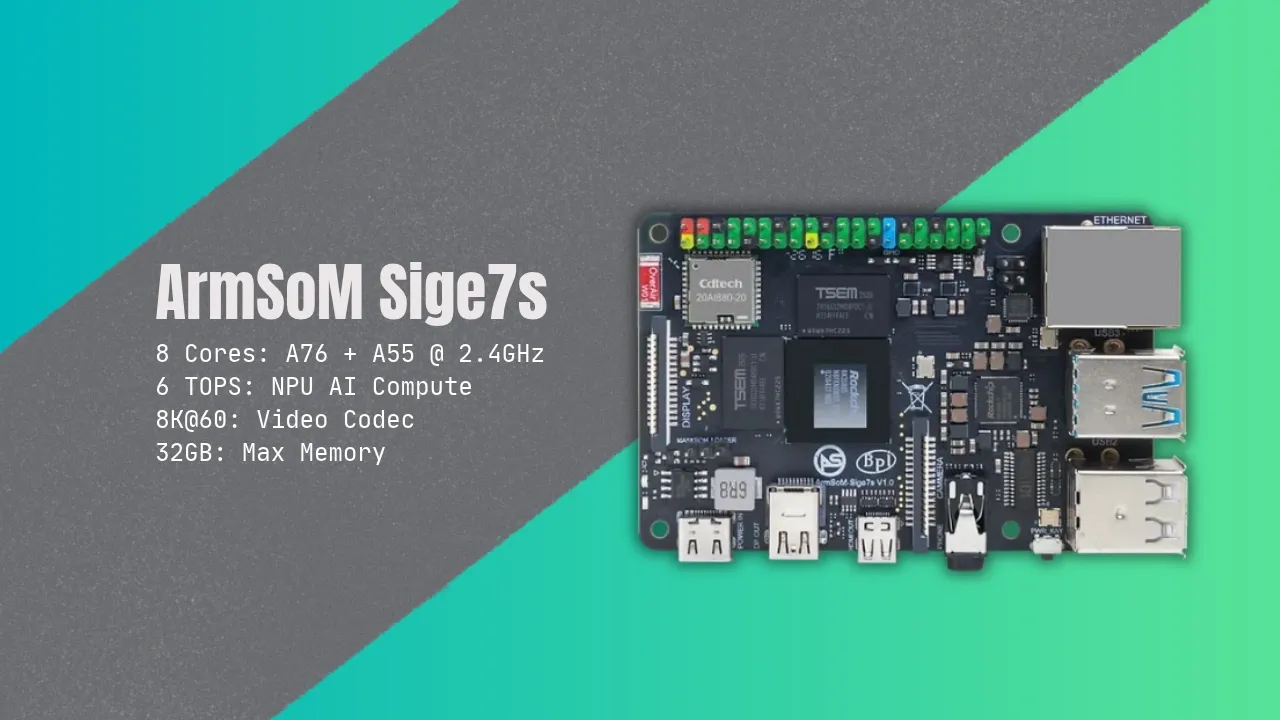
The single-board computer (SBC) market is no stranger to the relentless pace of innovation, and ArmSoM has once again signaled its intent to remain a key player in this competitive space. Following the successful reception of the Sige7 and the more recent, Allwinner-based Sige6, the company has officially unveiled the Sige7s—a refined, cost-optimized iteration of its flagship board. By returning to the reliable Rockchip ecosystem, ArmSoM is positioning the Sige7s as a high-performance, compute-focused solution for users who prioritize processing power over extensive I/O expandability.
Alongside this consumer-facing board, ArmSoM has launched the CM7s, a compute module designed for industrial and embedded applications. Together, these two releases highlight a strategic pivot toward modularity and long-term availability, catering to both the hobbyist tinkerer and the enterprise developer.
Main Facts: What is the Sige7s?
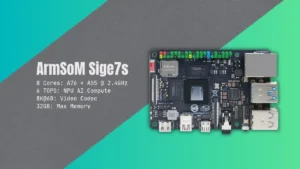
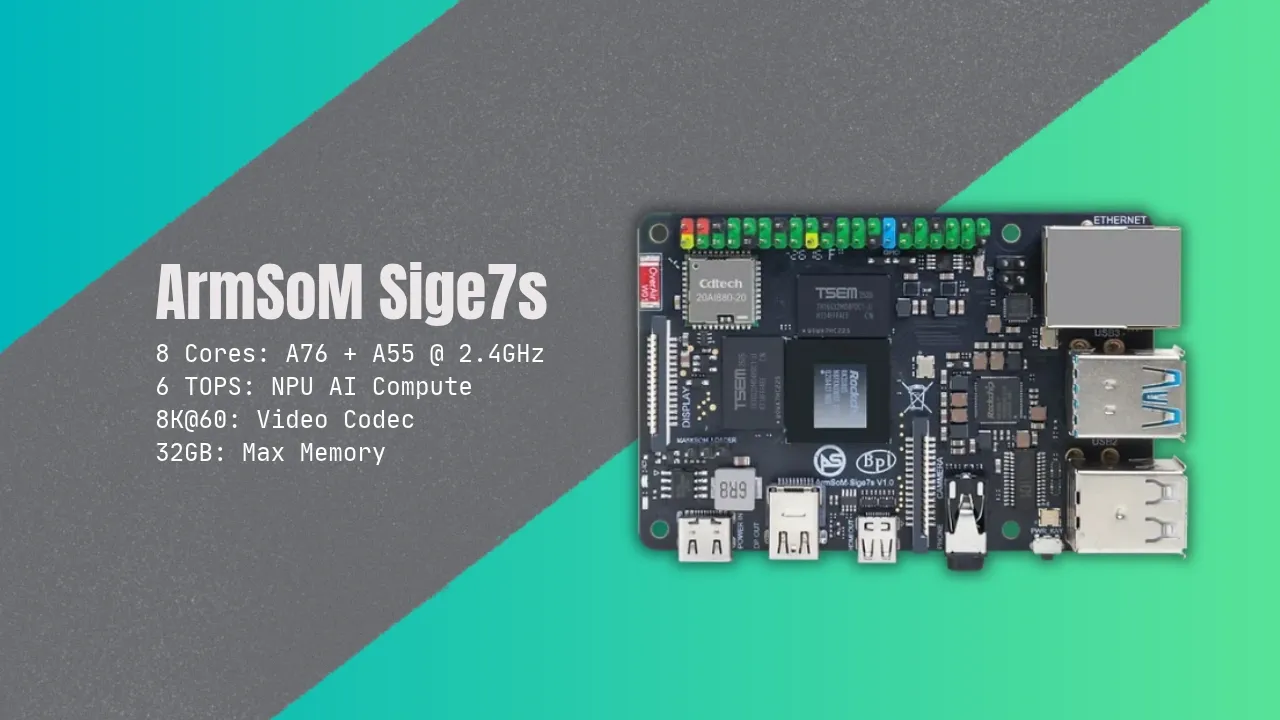
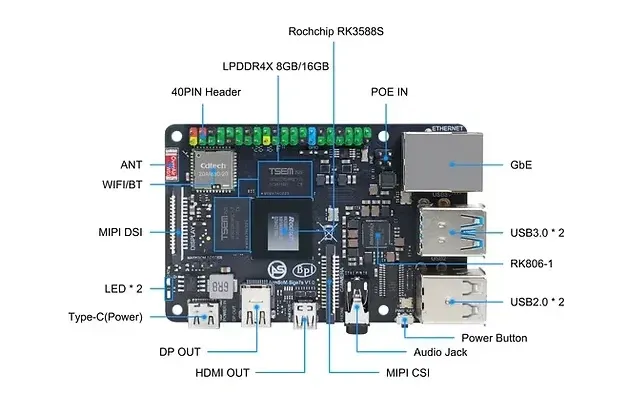
The Sige7s is built around the Rockchip RK3588S, a “trimmed-down” version of the robust RK3588 SoC (System-on-Chip) found in the original Sige7. While it shares the same powerhouse CPU, Mali-G610 MP4 GPU, and 6 TOPS (Trillions of Operations Per Second) NPU as its predecessor, the "S" variant is specifically engineered to reduce peripheral overhead, thereby lowering the price point for the end-user.
Technical Overview
- Processor: Rockchip RK3588S (8-core CPU architecture).
- GPU: Mali-G610 MP4 for high-fidelity graphics and compute tasks.
- AI/ML Capability: Integrated 6 TOPS NPU, making it suitable for edge-AI workloads.
- Display Output: HDMI 2.1 (up to 8K@60fps), DP 1.4 over USB-C, and 2-lane MIPI DSI.
- Power Flexibility: Supports a wide 5V to 23V input range, allowing for diverse power supply options.
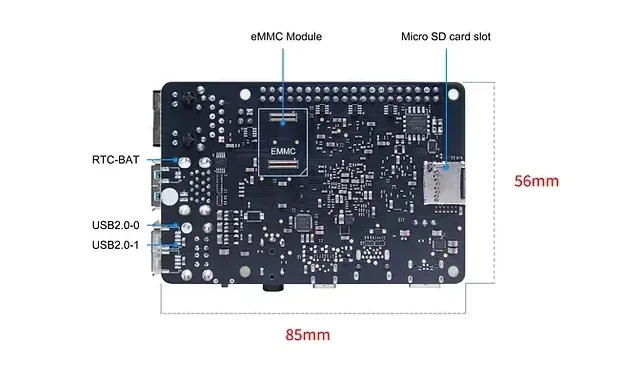
- Storage: Features a removable eMMC module, enhancing data portability and simplifying maintenance.
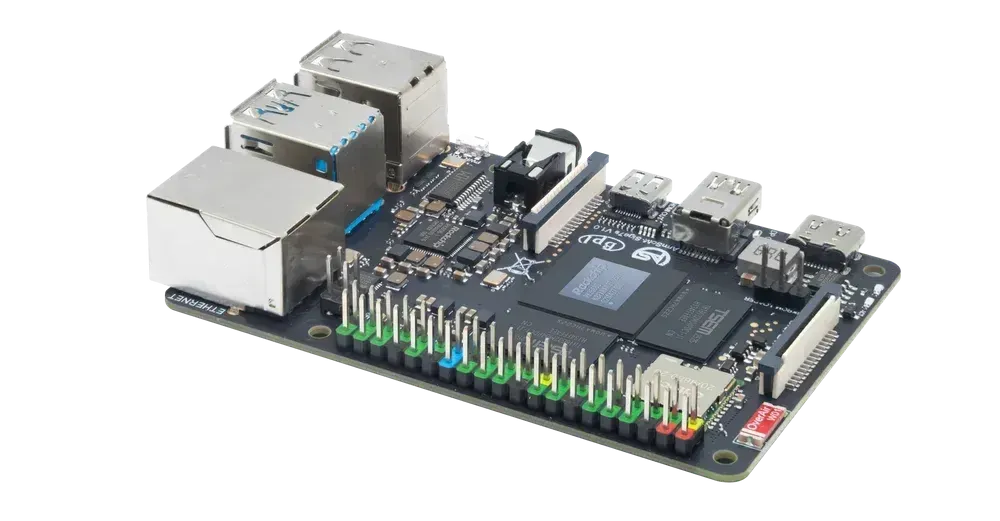
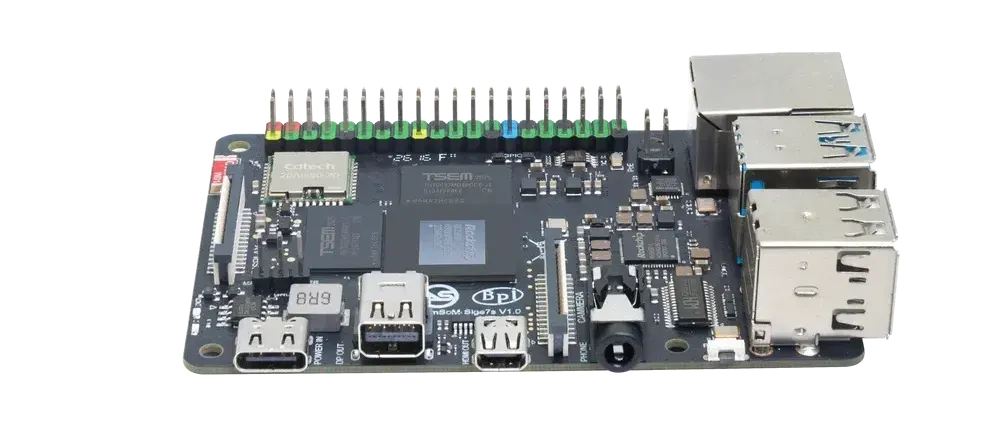
- Compatibility: A 40-pin header that is physically and electrically compatible with Raspberry Pi HATs, cameras, and cooling solutions.
The primary trade-off for this price-to-performance ratio is a reduction in I/O bandwidth. The Sige7s lacks PCIe 3.0, offers only a single HDMI output rather than two, removes the HDMI input functionality, and provides one Gigabit Ethernet port. This board is clearly designed for projects where pure compute speed is the priority, rather than high-speed NAS setups or multi-display workstations.
Chronology: The Evolution of the ArmSoM Sige Series
The development of the Sige series has been a measured journey of experimentation and refinement. It is useful to look at the timeline of these releases to understand how ArmSoM has adapted to market demands.
- The Debut: The Sige7 introduced the world to ArmSoM’s take on the powerful RK3588. It was characterized by high-end I/O and a versatile feature set, setting a benchmark for the brand.
- The Pivot: Earlier this year, the Sige6 marked a departure from the established path. By switching to an Allwinner SoC, ArmSoM tested the waters of different chip architectures, aiming to diversify its portfolio and mitigate supply chain risks associated with relying on a single silicon provider.
- The Return to Form: The launch of the Sige7s represents a return to the Rockchip foundation. By returning to the RK3588 lineage but utilizing the "S" variant, ArmSoM is acknowledging a specific niche: users who want the high performance of the RK3588 but do not require the premium I/O features of the original Sige7.
- The Industrial Expansion: The simultaneous launch of the CM7s demonstrates that ArmSoM is no longer just targeting the DIY community. By offering a compute module with a long-term production commitment (until at least 2034), the company is aggressively courting the professional, industrial, and embedded systems markets.
Supporting Data: Why the RK3588S Matters
The Rockchip RK3588S remains one of the most capable chips in the ARM-based SBC market. Its architecture features a quad-core Cortex-A76 and a quad-core Cortex-A55, providing a balanced profile of high-performance cores and power-efficient cores.

Benchmarking the Performance
In real-world applications, the Sige7s excels in media processing. Its hardware video engine is capable of decoding 8K at 60fps in H.265 and VP9 formats, while encoding 8K at 30fps. This performance makes the Sige7s an ideal candidate for digital signage, home theater servers, and high-resolution surveillance systems.
Furthermore, the 6 TOPS NPU provides enough overhead to handle basic machine learning tasks, such as object detection or real-time voice processing, directly at the edge without needing to rely on cloud computing. This is a significant selling point for developers building privacy-conscious AI appliances.
Accessibility and Cost-Optimization
The choice to support a wide power input (5V-23V) is an underrated but critical feature. Users are no longer tethered to a proprietary USB-C brick, allowing the board to be powered by standard industrial power rails or battery packs. Additionally, the move to a removable eMMC module is a significant quality-of-life improvement. In previous generations, if a board failed, the storage was often lost with it. Now, users can simply move the eMMC module to a new board, preserving their OS configuration and data.
Official Responses and Strategic Positioning
In discussions surrounding the launch, ArmSoM has emphasized its commitment to documentation—an area where many smaller SBC manufacturers often stumble. The company has noted that its documentation suite has improved significantly, recognizing that community adoption is predicated on how easily developers can set up, troubleshoot, and scale their projects.
The relationship between ArmSoM and other players in the space, such as Banana Pi, remains a point of interest. Observers have noted that the hardware design philosophies of the two companies share significant DNA. This partnership is likely a strategic move to share the costs of PCB design, manufacturing tooling, and software driver development. By pooling resources, these companies are able to offer competitive pricing that would be difficult for a smaller startup to achieve independently.
The CM7s: A Professional-Grade Tool
For the industrial segment, the CM7s is the star of the show. While the Sige7s is a complete, ready-to-run package, the CM7s is a modular component. By exposing critical interfaces—HDMI 2.1, DP 1.4, MIPI CSI/DSI, USB 3.0, and PCIe 2.0—via 100-pin connectors, it allows engineers to design custom carrier boards tailored to specific form factors or enclosure requirements.
The promise of production through 2034 is a massive indicator of long-term support, which is the primary metric by which enterprise clients choose hardware. If a company is building a product that needs to be in the field for a decade, they need to know that the underlying hardware will remain available for purchase.
Implications: The Future of the SBC Landscape
The release of the Sige7s and CM7s has several implications for the Linux and open-source hardware communities:
1. The Death of the "One-Size-Fits-All" SBC
We are seeing a maturation of the SBC market. Instead of every board trying to be a "Raspberry Pi killer," we are seeing bifurcation. Some boards are moving toward the high-end, feature-rich territory, while others, like the Sige7s, are stripping back the extras to hit a more attractive price point. This allows users to pay for only what they need.
2. The Rise of the Compute Module
The shift toward the CM7s form factor suggests that the market is increasingly moving away from general-purpose, exposed-port boards toward "carrier board" ecosystems. This is a positive development for hardware longevity; if a port breaks on a carrier board, the user doesn’t have to replace the entire computer—they simply replace the inexpensive base board.
3. Increased Competition for Raspberry Pi
While the Raspberry Pi remains the dominant force in terms of community and software support, boards like the Sige7s are providing compelling alternatives for users who need raw performance, specifically in the areas of NPU acceleration and 8K media processing. As ArmSoM continues to improve its documentation and software driver support, the "barrier to entry" for switching from a Pi to an RK3588-based board is lowered.
4. Sustainability and Maintenance
The removable eMMC and the 2034 production pledge are significant steps toward a more sustainable hardware cycle. By reducing the frequency with which an entire board must be discarded due to a failure in a single component, ArmSoM is aligning itself with the "Right to Repair" ethos that is gaining traction across the tech industry.
Final Thoughts: Who is the Sige7s For?
If you are a hobbyist looking for an RK3588-class machine that fits your budget and doesn’t require unnecessary I/O, the Sige7s is an excellent candidate. It is a no-nonsense, powerful, and flexible piece of hardware that avoids the "feature creep" that often drives up the price of SBCs.
Conversely, if you are a developer tasked with designing a product that needs to be deployed in a commercial or industrial environment, the CM7s provides the stability and longevity required for professional success.
ArmSoM’s trajectory—moving from experimental board designs to a more cohesive, well-documented, and professionally supported lineup—is a clear indication that the company is serious about its role in the Linux hardware ecosystem. Whether you are building a home media server, a localized AI inference station, or a custom industrial controller, the Sige7s and CM7s offer a robust platform upon which to build. As the community continues to test these boards, the real test will be in the software ecosystem; however, based on their current momentum, ArmSoM is on the right track.