A New Era for itch.io: Decoding the Latest Platform-Wide Overhaul
The digital landscape for independent game development is constantly shifting, and itch.io—long considered the heartbeat of the indie scene—has once again signaled its commitment to both creators and players. In a comprehensive series of updates recently deployed to the platform, the itch.io team has introduced a suite of tools designed to streamline discovery, simplify collaborative commerce, and modernize administrative workflows.
From the introduction of the "Sale Explorer" to a complete reconstruction of how creators integrate Patreon memberships, these changes represent more than just minor patches. They are architectural adjustments intended to scale with the platform’s massive, ever-growing library of over 30,000 projects.
Main Facts: The Four Pillars of the Update
The latest changelog focuses on four distinct areas of the itch.io ecosystem. Each update addresses a specific pain point that has historically frustrated power users and casual browsers alike.
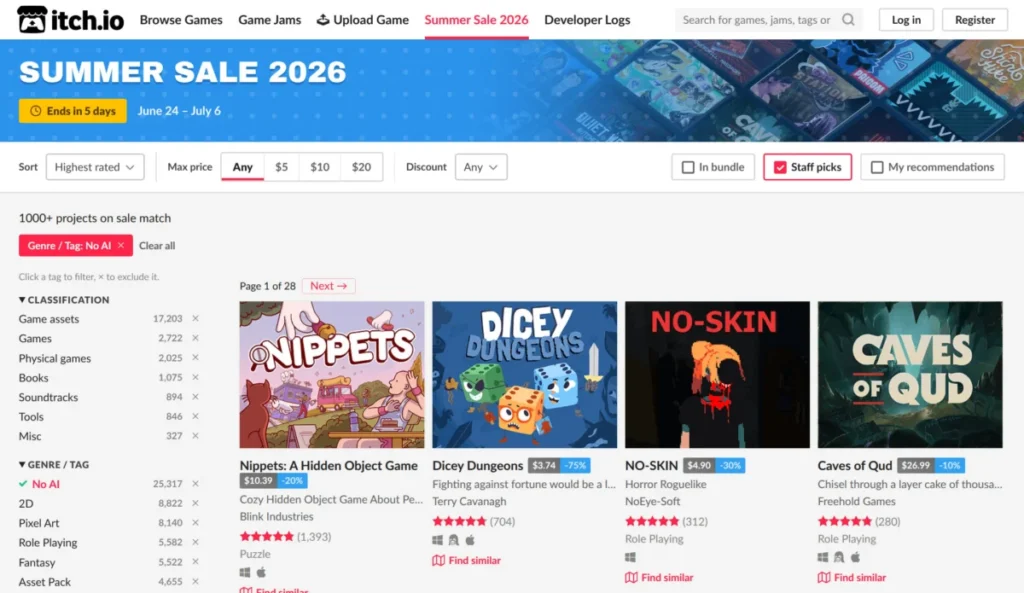
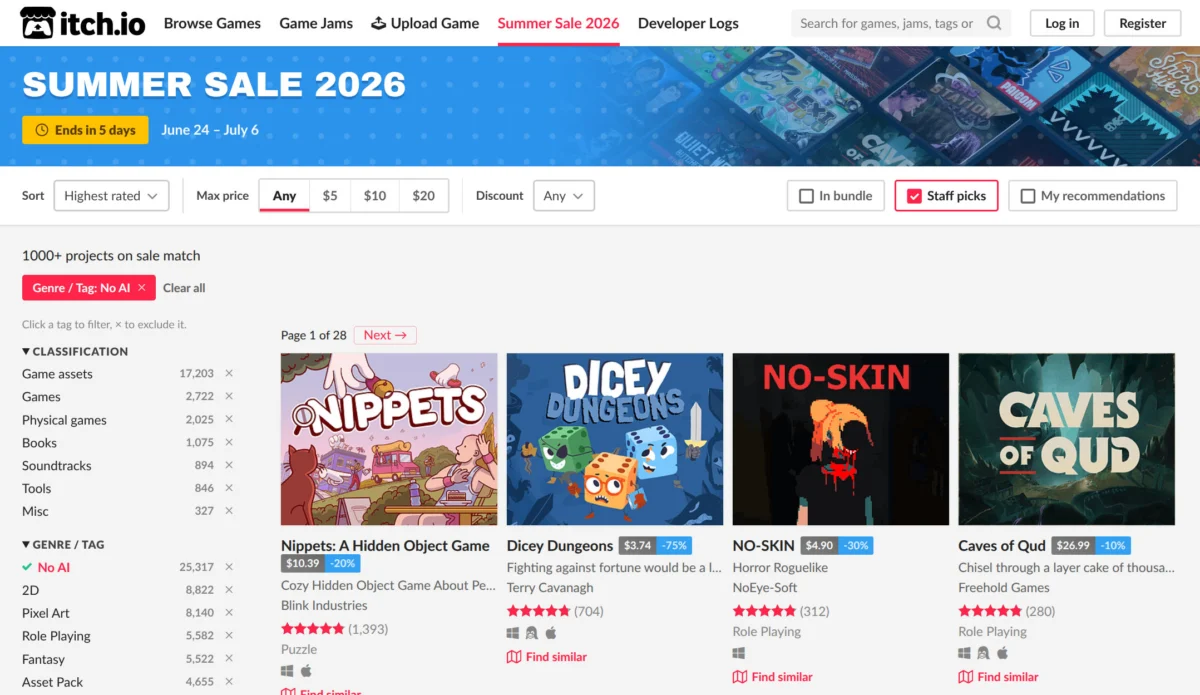
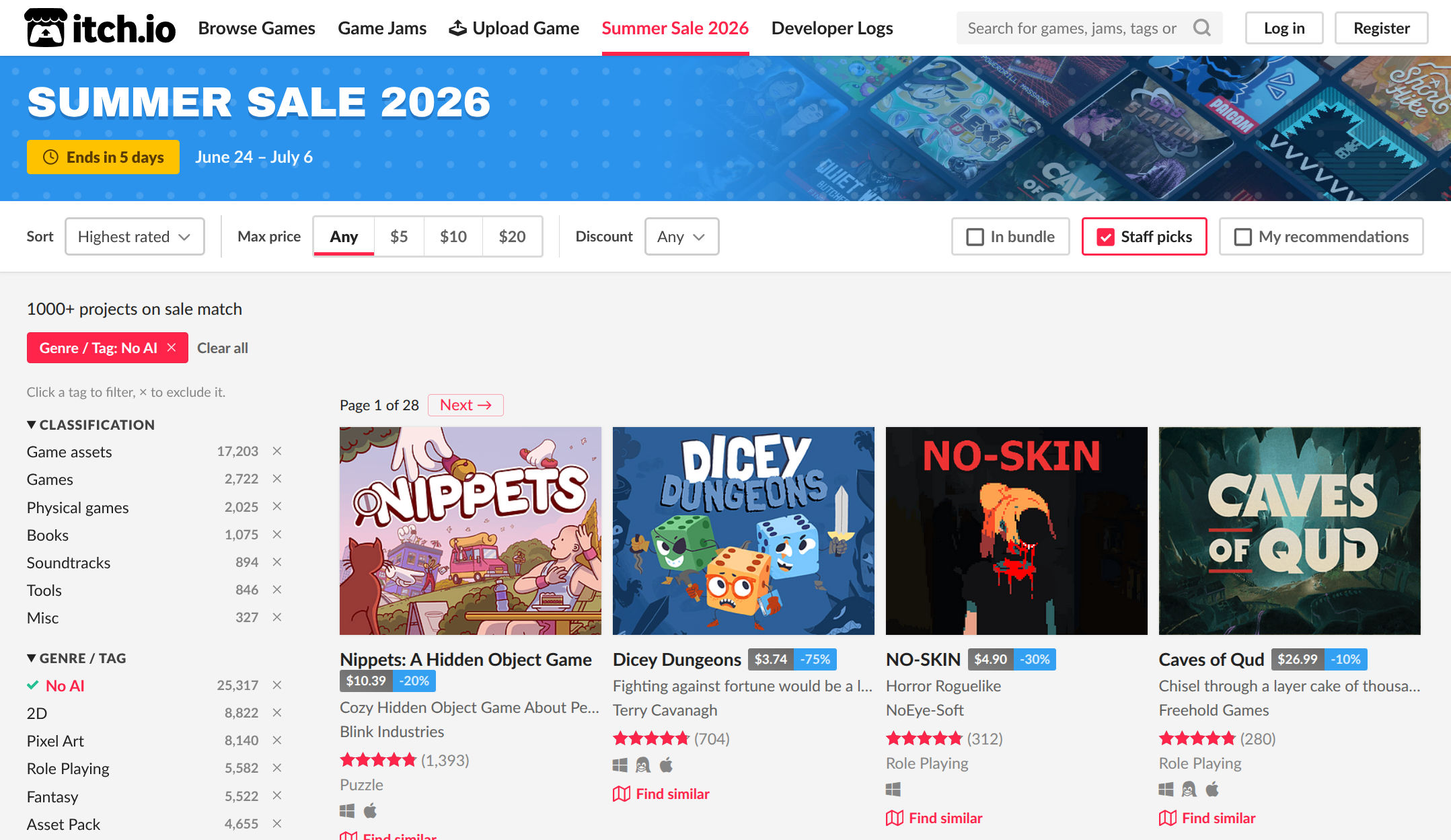
- The Sale Explorer: A sophisticated interface designed to replace static lists with a dynamic, filterable, and recommendation-heavy browsing experience during seasonal site-wide sales.
- Bundle Hosting Overhaul: A top-to-bottom reconstruction of the backend tools used for collaborative bundles, prioritizing ease of management for groups and organizations.
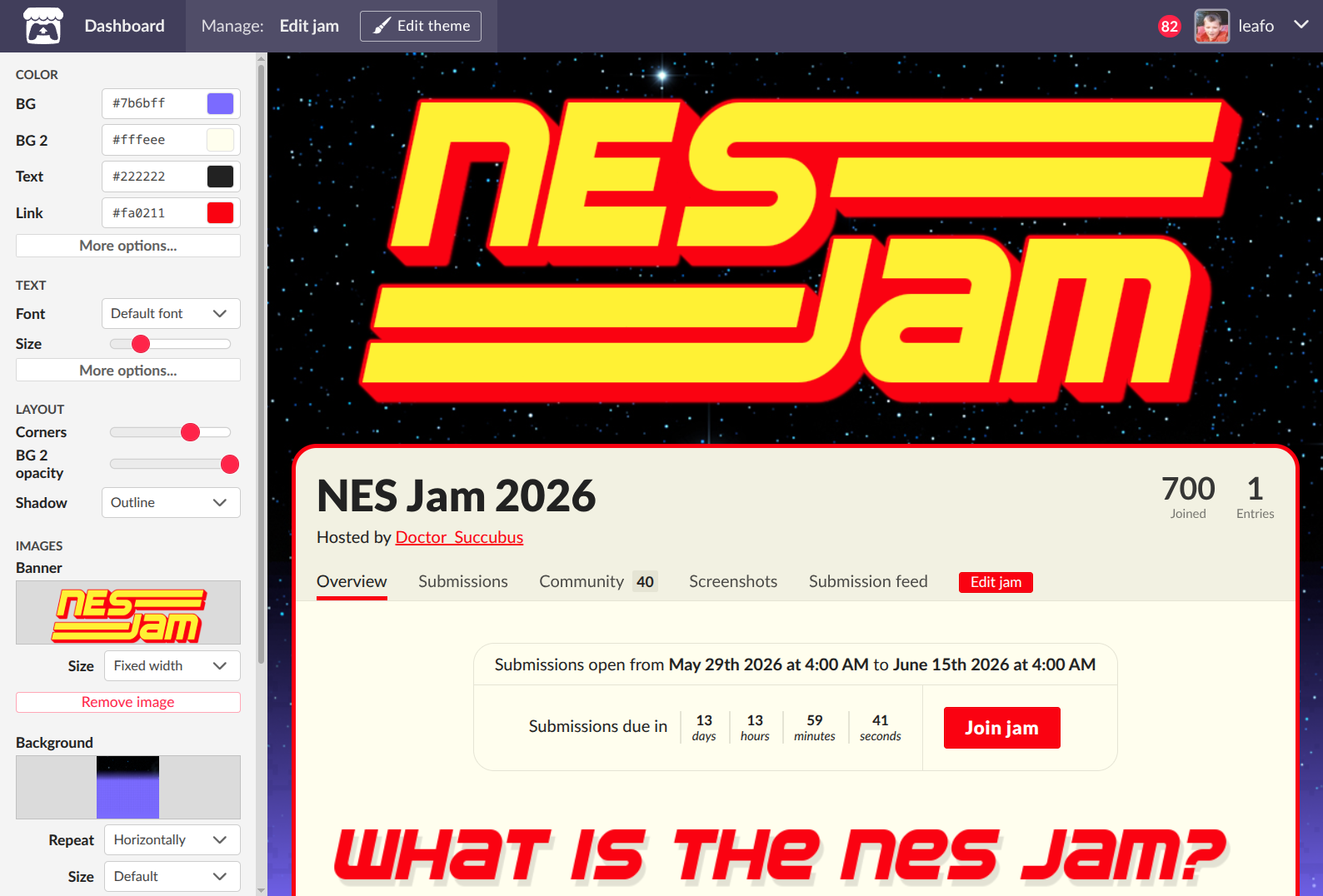
- Jam Theme Editor Modernization: A shift to the platform’s unified theme editor UI, allowing for greater aesthetic control for game jam hosts while maintaining compatibility with custom CSS.
- Enhanced Patreon Integration: A full migration to the Patreon V2 API, shifting the focus from simple pledge amounts to tiered membership benefits to resolve long-standing currency and access issues.
Chronology of Development
The path to these updates was not instantaneous. itch.io has maintained a consistent cycle of "Developer Updates" posted on their official forums, acting as a sandbox for feedback before these features are rolled out to the wider public.
- Early Development: The itch.io engineering team spent several months analyzing user behavior during previous seasonal sales, noting that the standard browser struggled under the weight of massive discount events.
- The Pilot Phase: Throughout the mid-year, the bundle hosting and jam theme editor tools were tested in the developer forum, allowing the community to stress-test the new backend structures.
- The Summer Sale Launch: The debut of the Sale Explorer coincided with the Summer Sale, acting as a real-world testing ground for the new navigation tools.
- Patreon Migration: The transition to the V2 API was the final hurdle, designed to address the increasing complexity of creator-patron relationships in a global, multi-currency market.
Supporting Data and Technical Context
The scale of these updates is significant. With over 30,000 discounted projects during the Summer Sale alone, the technical challenge was clear: how do you allow users to navigate a deluge of content without overwhelming them?
The Sale Explorer Breakdown
The Sale Explorer is not merely a visual refresh; it is a data-driven tool. By implementing granular filtering—including the ability to exclude specific genres and utilize "find similar" recommendation algorithms—the platform has successfully reduced the friction between discovery and purchase. Community feedback suggests that this has turned a daunting list into a curated experience.
Patreon V2 Integration
The move to the V2 API solves a critical "currency mismatch" problem. Under the previous system, creators were forced to set specific dollar-amount thresholds for access. Because Patreon patrons pay in various local currencies, this often led to "accidental exclusion," where a user might pay the equivalent of the target amount but fail to trigger the automated access grant. By shifting to Tier-Based Grants, itch.io ensures that as long as a patron is in the correct membership tier, they are granted access, regardless of their local currency.
Official Responses and Community Dialogue
The transparency of the itch.io team—specifically lead developer "leafo"—has been a hallmark of the platform’s success. In the comments section of the recent changelog, users were quick to provide both praise and constructive criticism.
Addressing the "AI-Assisted" Tag
One of the most vocal segments of the community expressed a desire for more control over how AI-generated content is filtered out of their browsing experience. While the platform has introduced tags to label these projects, users pointed out that older, pre-tagging projects lack this classification, making it difficult to "hide" them from search results. The official response acknowledged these limitations, suggesting that the platform is constantly refining its tagging taxonomy to ensure users have the autonomy they demand.
The "Revenue Split" Request
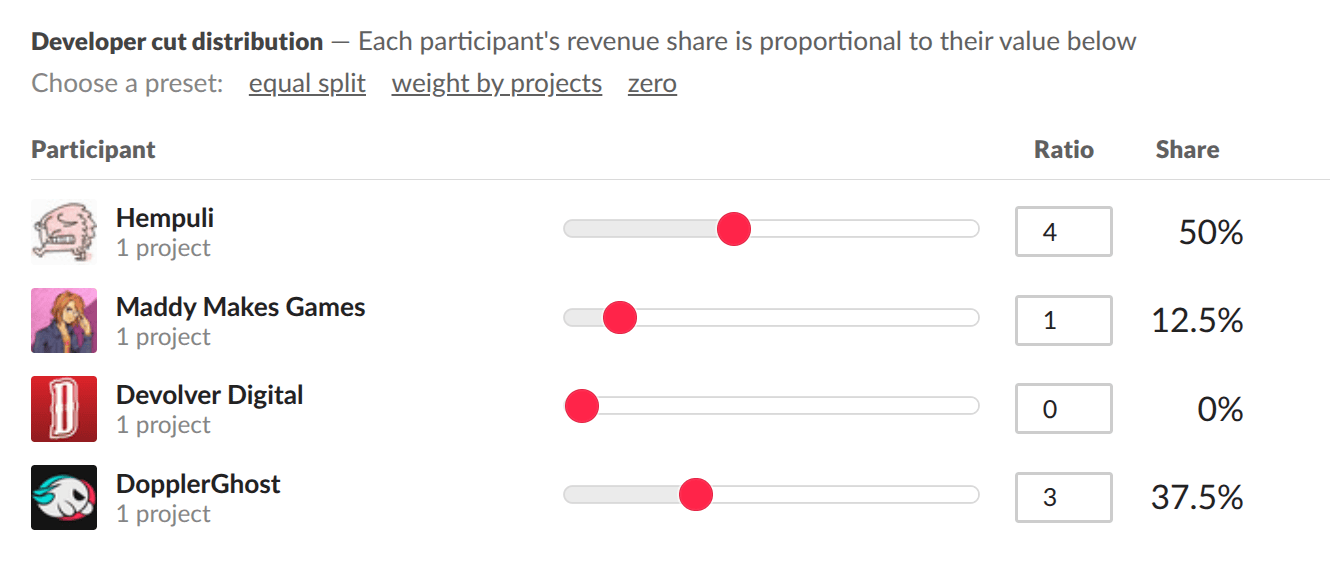
Perhaps the most notable piece of feedback came from a user requesting a more granular revenue split feature on a per-project basis for collaborative teams. The official response from the lead developer was telling: "I agree, it’s something I want to work on at some point." This confirms that while the current updates have been delivered, the roadmap remains fluid, influenced heavily by the immediate needs of the community.
Implications for the Future of Indie Development
The cumulative effect of these changes is a more "professionalized" itch.io. As the platform grows, it is shedding its early "indie hobbyist" aesthetic in favor of robust, enterprise-grade tools that can support studios of all sizes.
Professionalization of Collaborative Efforts
The bundle hosting overhaul is particularly impactful for charity organizations and indie collectives. By allowing for more flexible participation settings and easier project management, itch.io is positioning itself as the premier host for massive, collaborative sales. This is a direct challenge to more restrictive storefronts, which often make multi-party revenue distribution a legal and technical headache.
The "Unified UI" Philosophy
The modernization of the Jam Theme Editor is part of a larger, long-term goal of unifying the platform’s interface. By migrating various sub-sections of the site to a standardized theme editor, itch.io is reducing the technical debt required to maintain the site. This allows the engineering team to deploy future updates faster, as they are no longer dealing with a fragmented patchwork of legacy code.
Empowerment of the Creator Economy
The enhanced Patreon integration is perhaps the most significant economic update. By lowering the barrier to entry for creators to offer exclusive rewards (such as early access or behind-the-scenes content) through itch.io, the platform is effectively turning itself into a more competitive hub for the "creator economy." It provides a seamless bridge between a supporter’s recurring payment and the actual delivery of digital goods.
Conclusion: A Platform in Evolution
The latest itch.io changelog is a testament to the platform’s resilience. In an era where many storefronts are becoming increasingly closed-off and algorithmic, itch.io continues to invest in user-controlled discovery and creator-centric infrastructure.
Whether it is through the new Sale Explorer, which makes finding hidden gems easier than ever, or the revamped Patreon integration that ensures creators are fairly compensated for their work, these updates are foundational. They do not just improve the experience for today; they build the framework for a more sustainable, equitable future for independent game developers worldwide.
As the platform continues to iterate, the community can expect further refinements to the revenue-sharing model and even deeper integrations with third-party tools. For now, the takeaway is clear: itch.io remains the most adaptable, responsive, and creator-friendly ecosystem in the gaming industry.
Key Takeaways for Users and Developers:
- For Browsers: The Sale Explorer is your new best friend; use the filtering tools to cut through the noise of massive sales.
- For Jam Hosts: The new theme editor offers more flexibility—take the time to re-learn the CSS markup to ensure your jam page stays sharp.
- For Creators: Migrate your Patreon integrations to the new Tier-Based system immediately to avoid currency-related access issues for your patrons.
- For the Community: Keep providing feedback. As demonstrated in the changelog comments, the development team is listening, and your requests for features like per-project revenue splits are being tracked for future development cycles.