The Evolution of Visuals: Raspberry Pi Debuts the 10-inch Touch Display 2
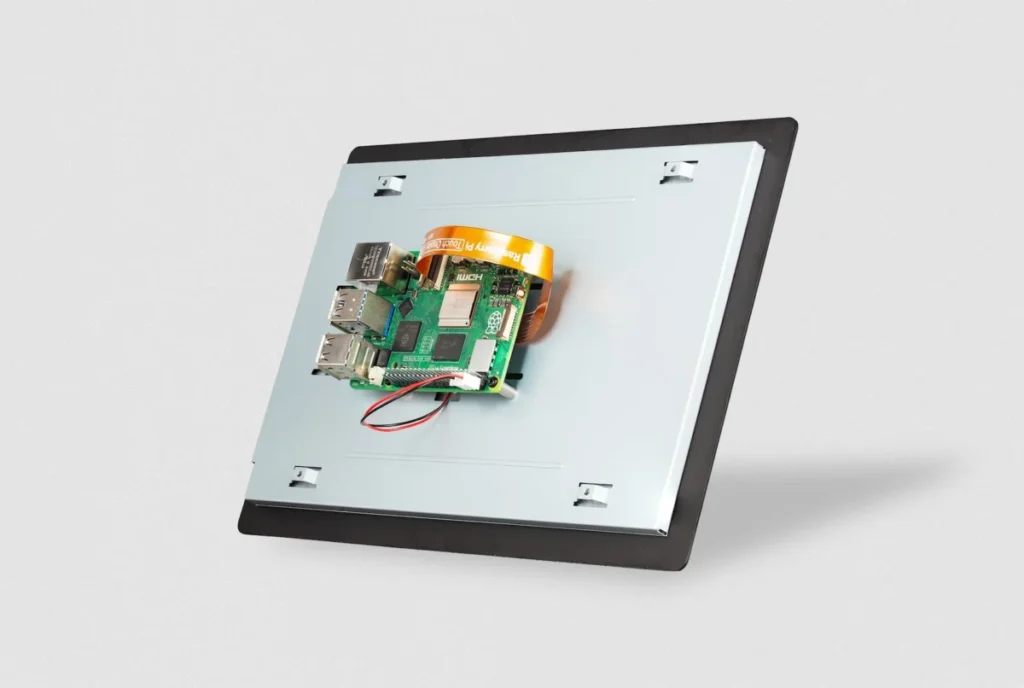
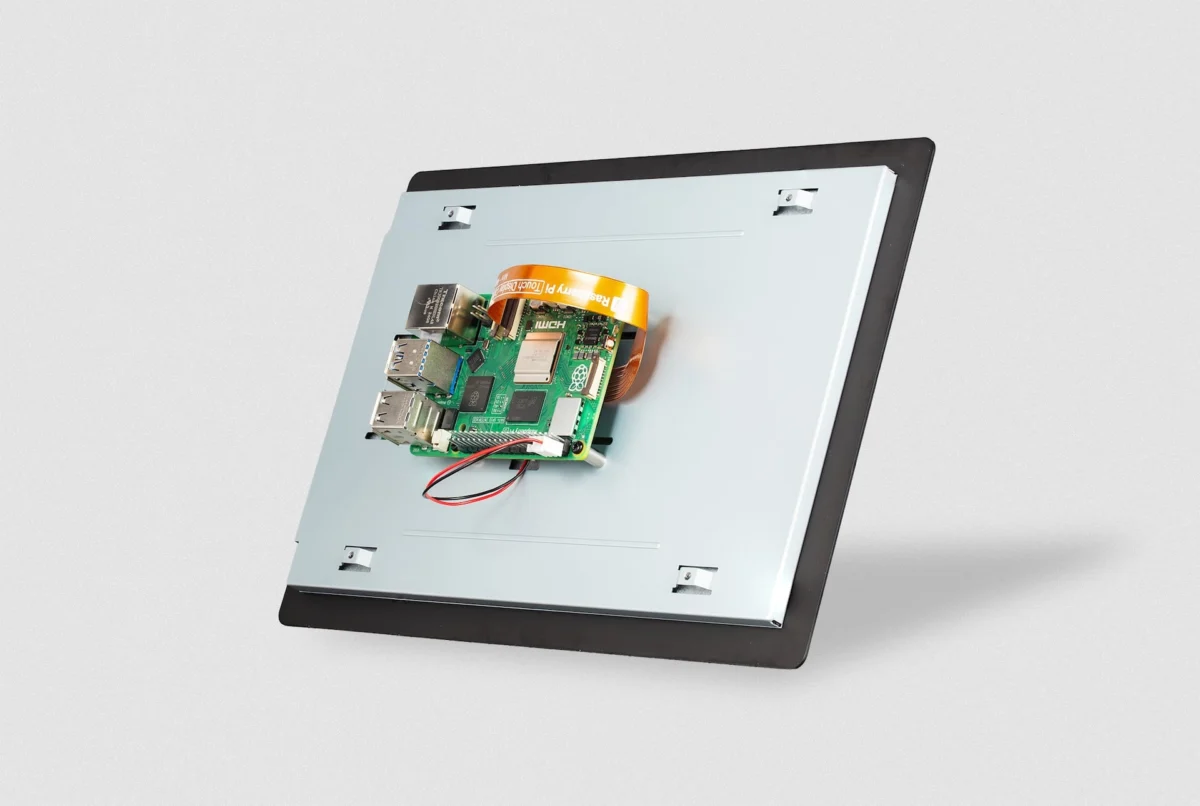
CAMBRIDGE, UK — Raspberry Pi Ltd. has officially announced the latest expansion of its peripheral ecosystem: the 10-inch Raspberry Pi Touch Display 2. Retailing at $80, this new hardware represents a significant leap in both scale and performance for the company’s official display line, targeting a diverse demographic ranging from industrial engineers to home automation enthusiasts.
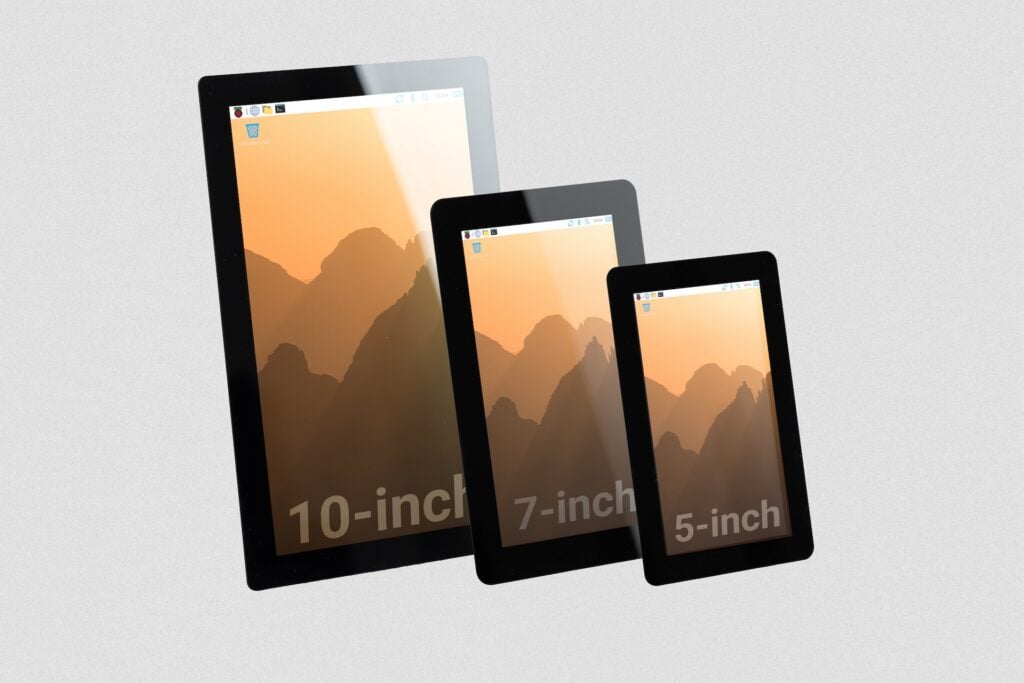
The launch marks a pivotal moment for the Raspberry Pi hardware roadmap. For nearly a decade, the "official" display experience was defined by a single 7-inch panel. In 2024, that narrative shifted rapidly. Following the release of the refreshed 7-inch Touch Display 2 and a subsequent 5-inch variant, the new 10-inch model arrives as the "big brother" of the family, offering the highest resolution and most advanced touch capabilities in the company’s history.
Main Facts: A New Standard for Integrated Displays
The 10-inch Raspberry Pi Touch Display 2 is not merely a larger version of its predecessors; it is a fundamental specification upgrade. While the previous 5-inch and 7-inch iterations focused on portability and compact footprints, the 10-inch model is designed for clarity and complex user interaction.
Key Specifications:
- Price: $80 USD (MSRP).
- Resolution: 1200 × 1920 pixels (Full HD+).
- Viewing Angle: 85 degrees (all directions).
- Touch Capability: 10-finger capacitive multi-touch.
- Interface: 4-lane Display Serial Interface (DSI).
- Compatibility: Exclusively Raspberry Pi 5 and Compute Module 4/5 (via IO boards).
- Software: Full native support in Raspberry Pi OS (no manual calibration required).
The move to a 1200 × 1920 resolution is particularly noteworthy. For years, Raspberry Pi users were limited to the 800 × 480 resolution of the original display, which often struggled to render modern web pages or complex graphical user interfaces (GUIs). The new panel provides enough screen real estate to function as a legitimate desktop replacement or a high-density information kiosk.
Chronology: The Decade-Long Journey to High Definition
To understand the significance of the 10-inch Touch Display 2, one must look at the history of Raspberry Pi’s official displays.
2015: The Original 7-inch Touch Display
In September 2015, Raspberry Pi released its first official display. It was a 7-inch, 800 × 480 capacitive panel. At the time, it was revolutionary for the maker community because it used the DSI port, leaving the HDMI port free for a second monitor. For nearly nine years, this remained the only official display option provided by Raspberry Pi Ltd.
Early 2024: The Refresh Begins
Recognizing that display technology had moved on, the company launched the "Touch Display 2" series. The first out of the gate was a refreshed 7-inch model. It maintained the familiar form factor but introduced a slimmer profile and a higher-resolution panel (720 × 1280 in portrait orientation).
Mid-2024: The 5-inch Variant
Shortly after the 7-inch refresh, a 5-inch variant was introduced. This addressed the "compact" market—users building handheld gaming consoles, small-scale industrial controllers, or internal PC case status monitors.
Today: The 10-inch Breakthrough
The announcement of the 10-inch model completes the current trio. By offering 5, 7, and 10-inch options, Raspberry Pi has effectively created a standardized "display stack" for developers. The 10-inch model specifically addresses the most common feedback from the industrial and "prosumer" sectors: the need for more space and more precision.
Technical Deep Dive: Why 4-Lane DSI Matters
The most critical technical distinction of the 10-inch model is its requirement for four DSI data lanes. To appreciate this, one must understand how Raspberry Pi handles video data.
Standard displays on older Raspberry Pi models (Pi 1 through Pi 4) utilized a 2-lane DSI interface. While sufficient for low resolutions, a 2-lane interface lacks the bandwidth required to push a 1200 × 1920 signal at high refresh rates. Consequently, the 10-inch Touch Display 2 is incompatible with the Raspberry Pi 4, Pi Zero, and earlier models.
The Raspberry Pi 5, however, features two four-lane MIPI connectors that can act as either camera (CSI) or display (DSI) ports. This hardware shift allows the Pi 5 to drive the 10-inch panel’s high-resolution throughput seamlessly. For users of the Compute Module (CM4 or CM5), the display is compatible provided they use an IO board that exposes the necessary 4-lane DSI pins.
Multi-Touch Advancements
Another major technical upgrade is the transition from 5-finger to 10-finger touch support. While 5-finger touch is sufficient for basic gestures, 10-finger support is the industry standard for modern tablets and professional interfaces. This allows for more complex multi-user interaction or specialized software (such as digital audio workstations or collaborative whiteboards) where multiple inputs occur simultaneously.
Official Responses and Strategic Vision
Raspberry Pi Ltd. has positioned this release as a response to the "maturation" of its user base. In official communications, the company emphasized that as the Raspberry Pi 5 has moved into the performance territory of entry-level PCs, the peripherals must follow suit.
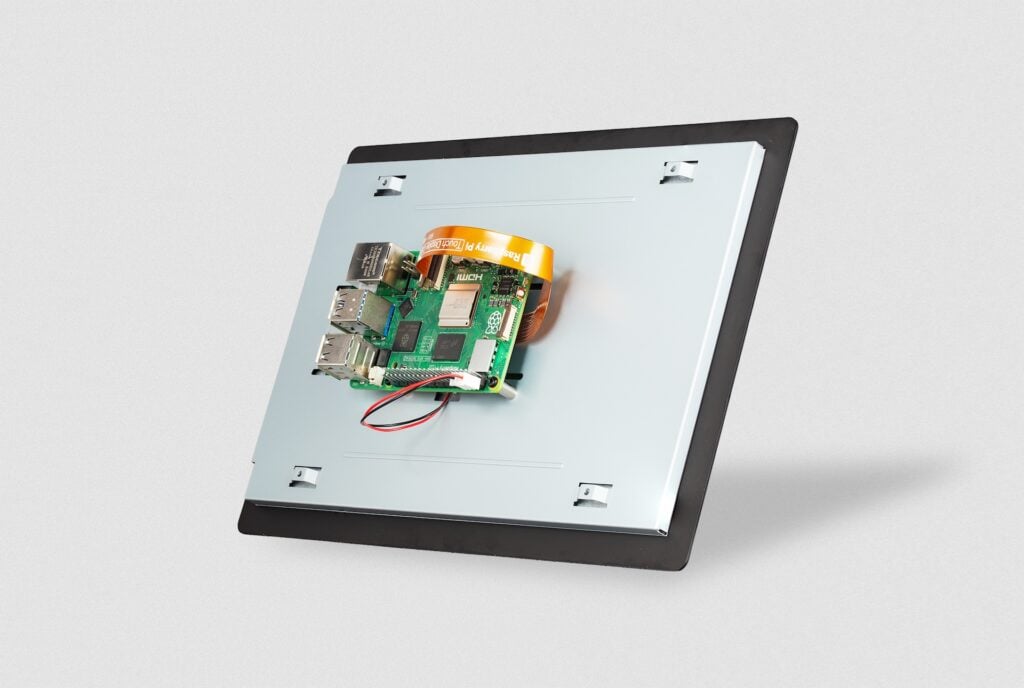
"Physical size is not the only upgrade," the company noted in its launch documentation. The emphasis remains on "seamless integration." Unlike third-party HDMI screens that often require a messy array of cables (HDMI for video, USB for touch, and a separate power cable), the official Touch Display 2 ecosystem is powered directly from the host Raspberry Pi.
Engineers at Raspberry Pi highlighted the "out-of-the-box" experience. "The capacitive touchscreen benefits from full driver support in Raspberry Pi OS straight out of the box, with no manual calibration required." This "plug-and-go" philosophy is a cornerstone of the Raspberry Pi brand, aimed at reducing the barrier to entry for complex engineering projects.
Market analysts suggest that by pricing the unit at $80, Raspberry Pi is undercutting many professional-grade industrial displays while offering better software support than the "no-name" panels found on discount e-commerce sites.
Implications: A New Era for Industrial and DIY Projects
The introduction of a high-resolution, 10-inch official display has broad implications for several sectors:
1. The Industrial Kiosk Market
Many companies use Raspberry Pi for digital signage or point-of-sale (POS) systems. Previously, these companies had to rely on third-party HDMI monitors, which are prone to cable failure and require separate power bricks. The 10-inch Touch Display 2 allows for a "monolithic" build where the Pi 5 is mounted directly to the back of the screen, creating a clean, professional-grade tablet-like device that can be integrated into walls, machinery, or stands.
2. Home Automation Dashboards
With the rise of platforms like Home Assistant, users are increasingly looking for "command centers" for their smart homes. A 5-inch or 7-inch screen is often too small to display a full floor plan or multiple camera feeds simultaneously. The 10-inch panel, with its 1200 × 1920 resolution, provides the necessary canvas for high-density data visualization.
3. Education and Laboratory Use
In lab settings, Raspberry Pis are frequently used to control equipment or log data. The higher resolution allows for more detailed graphing and the ability to run full desktop applications (like LibreOffice or specialized IDEs) comfortably without squinting.
4. The "Tablet" DIY Movement
For years, the "Raspberry Pi Tablet" was a chunky, low-resolution experiment. The new 10-inch display, combined with the slim form factor of the Touch Display 2 series, makes the prospect of building a custom Linux-based tablet much more viable. When paired with a Raspberry Pi 5, users now have the processing power and the display quality to rival mid-range commercial tablets, with the added benefit of GPIO access for hardware hacking.
Conclusion: Completing the Picture
The 10-inch Raspberry Pi Touch Display 2 is more than just a peripheral; it is a statement of intent. It signals that Raspberry Pi is no longer content being a "hobbyist board" tucked away in a box. By providing a high-quality, large-format visual interface, the company is moving the Raspberry Pi 5 into the center of the room—whether that room is a kitchen, a classroom, or a factory floor.
At $80, it represents a strategic balance of cost and capability. While it requires the latest-generation hardware to function, it offers a glimpse into the future of the ecosystem: one where the boundaries between "maker" hardware and "professional" hardware continue to blur. The 10-inch Touch Display 2 is available now through the global network of Raspberry Pi Approved Resellers, and if the success of its smaller predecessors is any indication, it is likely to become a staple of the next generation of ambitious builds.