Beyond Science Fiction: The ATLAS System and the Advent of the Real-World Tricorder
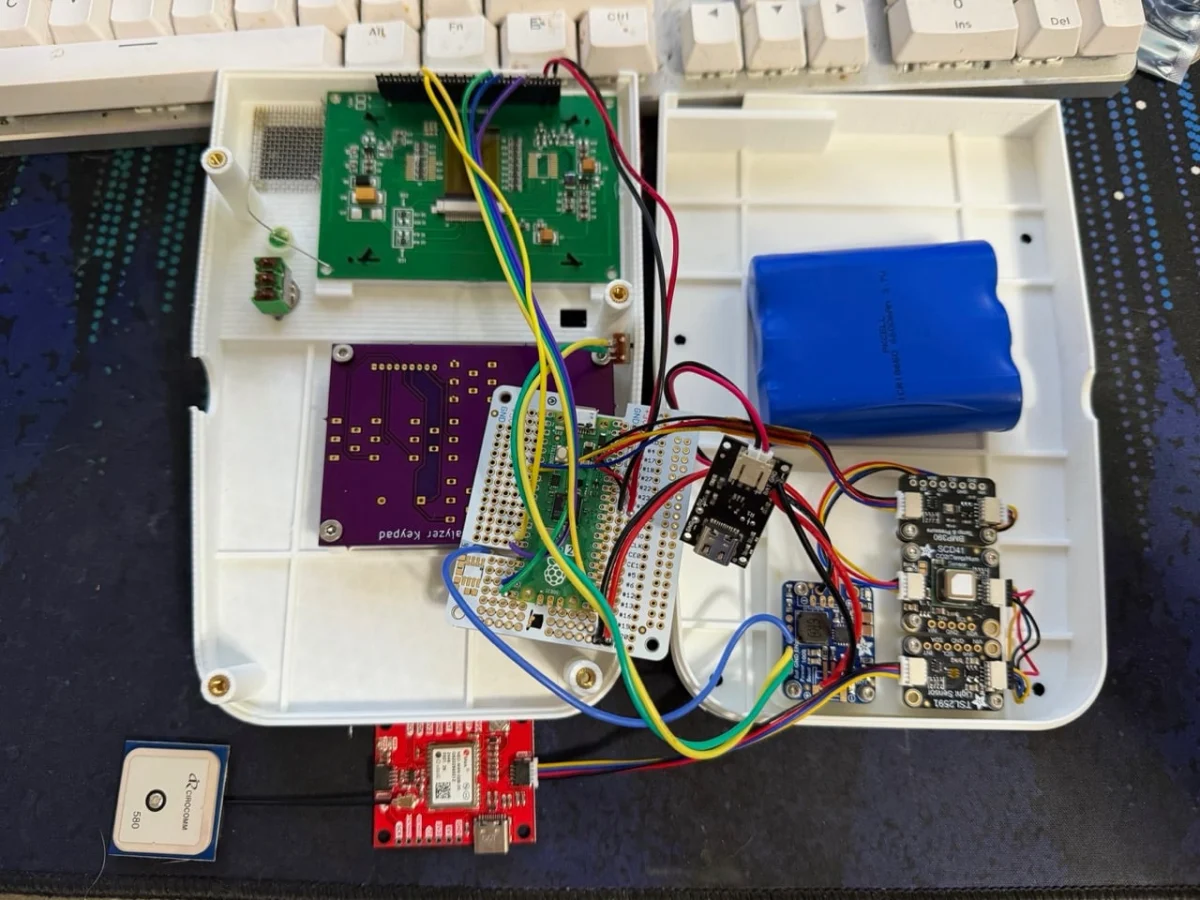
In the annals of science fiction, few devices are as iconic or as coveted as the Starfleet Tricorder. A multifunctional handheld device capable of sensing, analyzing, and recording data in the most hostile environments imaginable, the Tricorder represented the pinnacle of portable sensor technology. For decades, it remained a prop of the future—until now.
The ATLAS (Advanced Tactical Laboratory and Analysis System), developed by engineer Apollo Timbers of Second Robotics, has transitioned from the realm of cinematic imagination into a rugged, functional reality. Powered by the high-performance Raspberry Pi RP2350 microcontroller, ATLAS is not a mere novelty for enthusiasts; it is a sophisticated field tool designed for engineers, explorers, and tactical professionals who require actionable intelligence in environments where connectivity is non-existent and the margin for error is razor-thin.
Main Facts: A New Paradigm in Handheld Intelligence
The ATLAS system represents a significant leap forward in "Edge Computing"—the practice of processing data near the source of its generation rather than relying on a centralized cloud-based server. This is critical for field operations where Wi-Fi and cellular signals are unavailable.
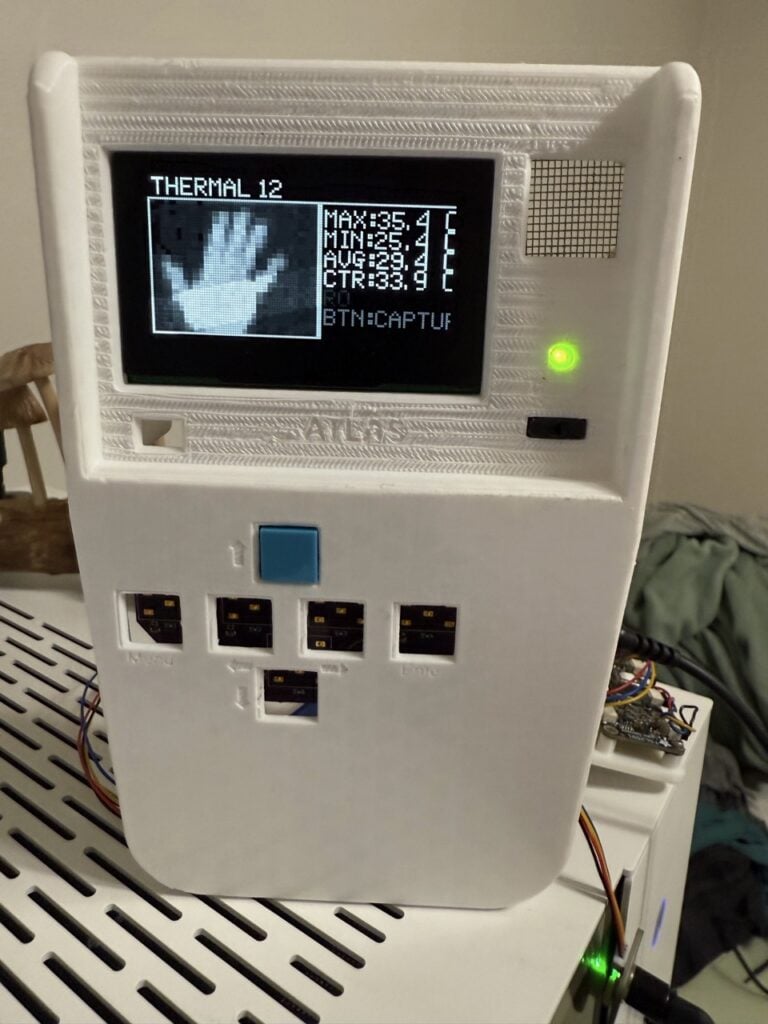
The Hardware Architecture
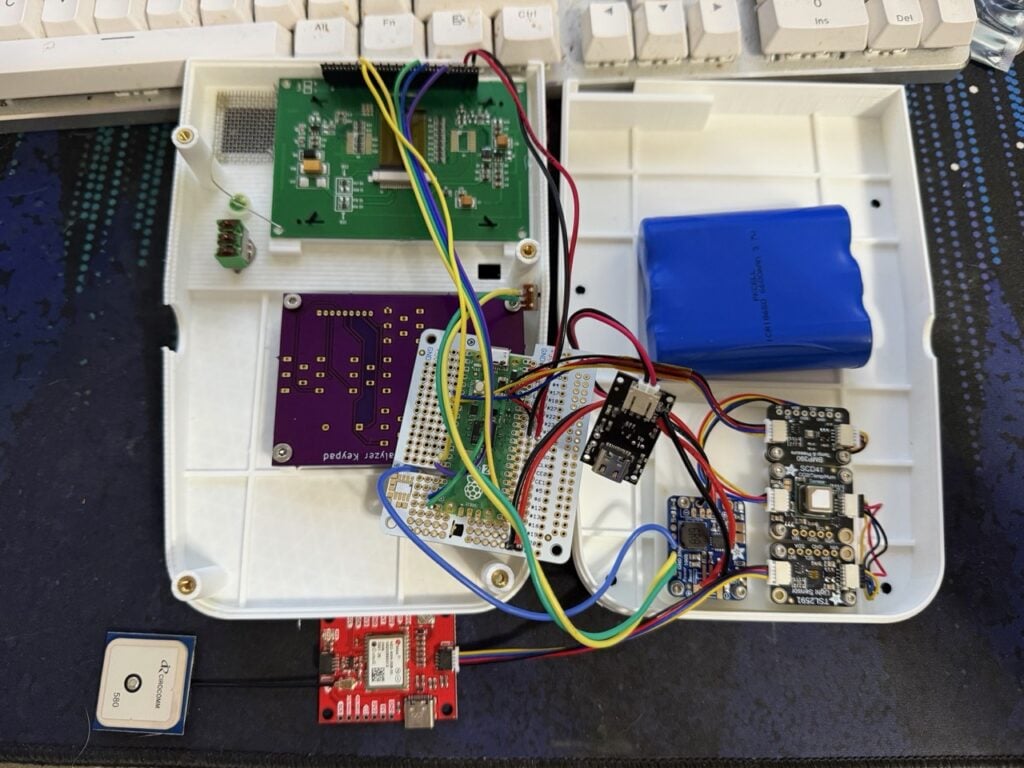
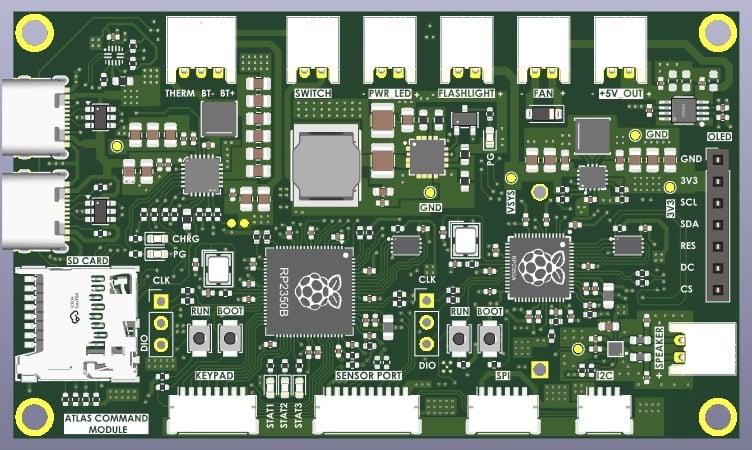
At the heart of the ATLAS are two distinct microcontrollers from Raspberry Pi’s latest silicon lineup: the RP2350A and the RP2350B. The decision to use a dual-chip architecture was not accidental; it was a calculated engineering choice to manage the massive I/O (Input/Output) requirements of the device’s extensive sensor suite.
- RP2350B (The Main Brain): This chip handles the "heavy lifting." It manages the sensor stack, environmental monitoring, and threat detection algorithms. The RP2350B was chosen for its higher pin count and expanded memory capacity, allowing it to coordinate complex data streams simultaneously.
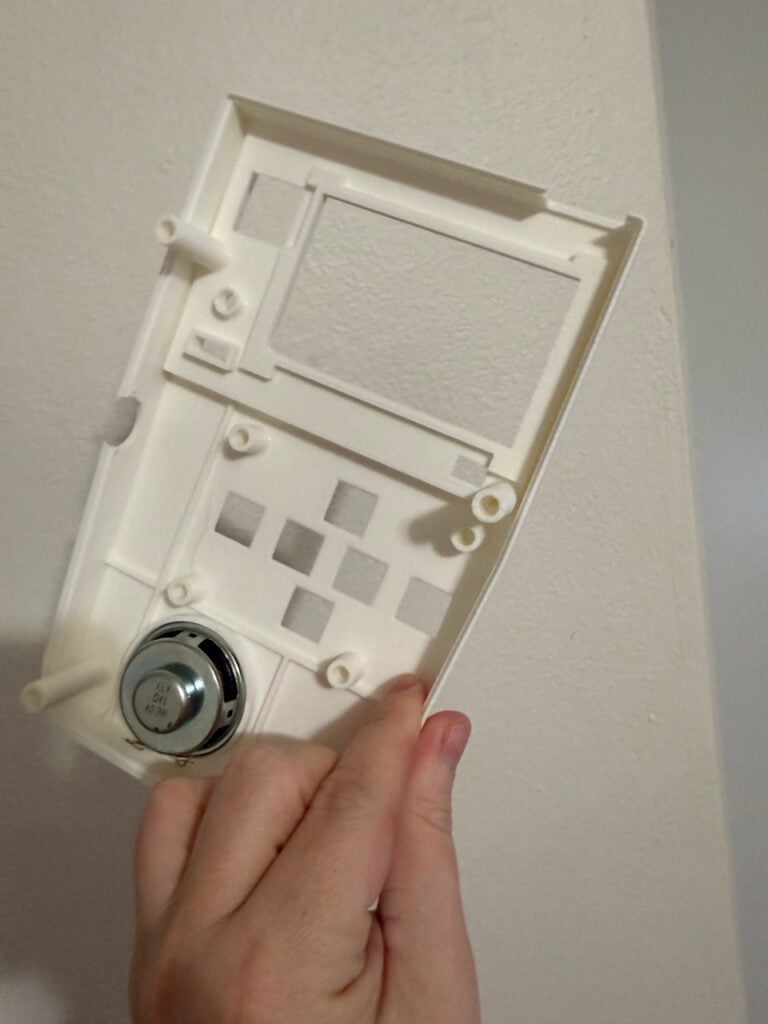
- RP2350A (The Specialized Processor): This unit is dedicated to the device’s unique user interface, specifically its speech synthesis. It runs a TMS5100-class linear predictive coding (LPC) speech synthesizer, giving the ATLAS a distinctive, audible "voice" that provides status updates and emergency alerts.
Sensor Fusion and Intelligence
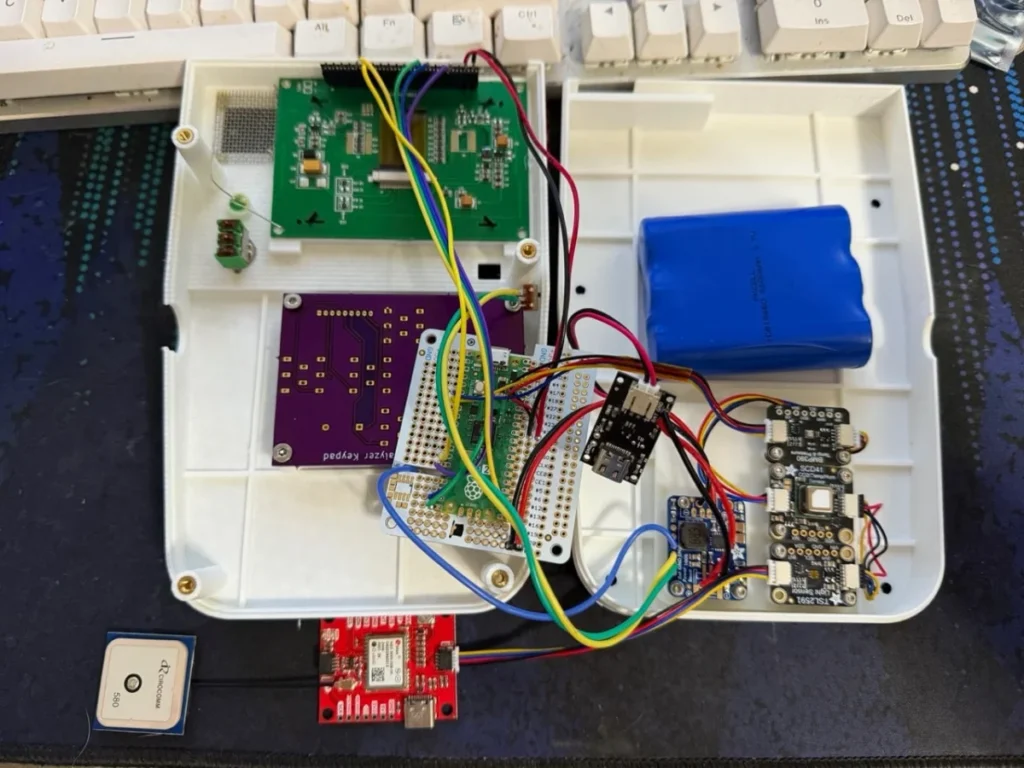
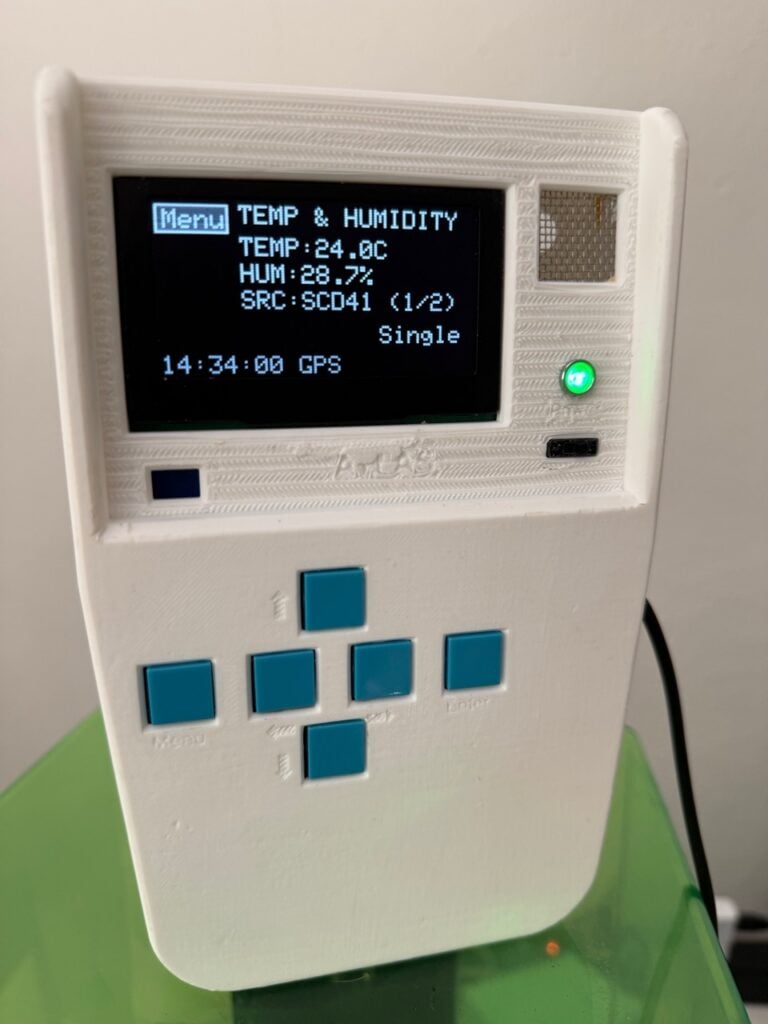
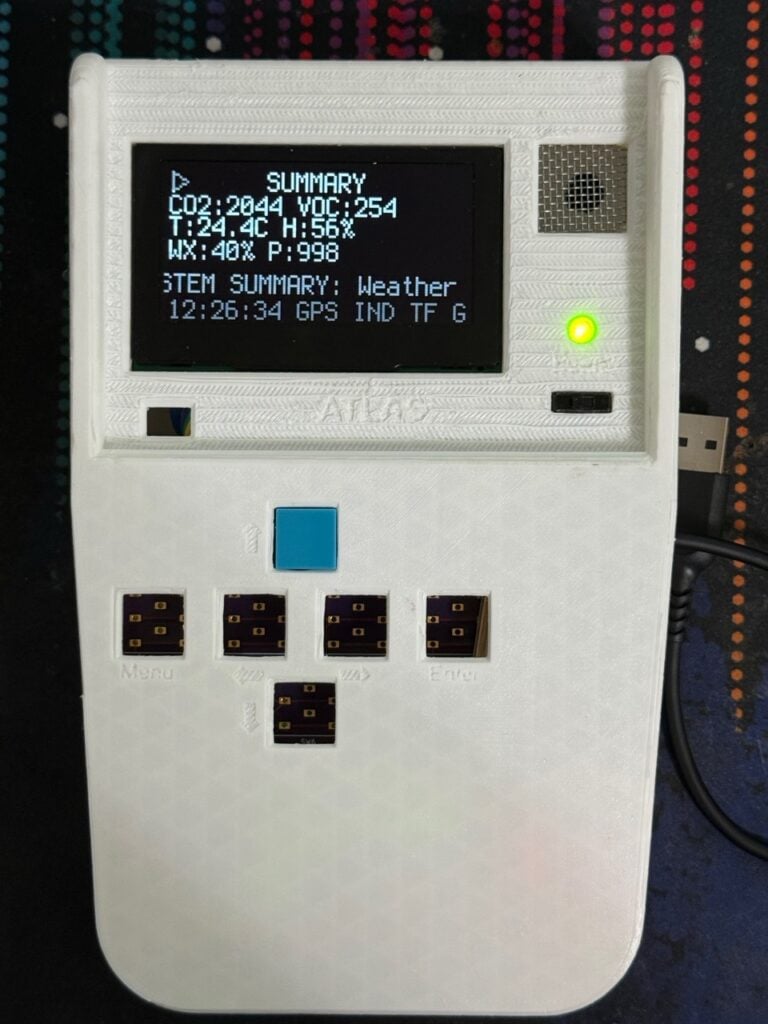
Unlike standard consumer-grade weather stations or Geiger counters, the ATLAS utilizes "sensor fusion." This process involves taking data from multiple sensors—including radiation, CO2, Volatile Organic Compounds (VOCs), temperature, humidity, light, sound, and magnetic fields—and cross-referencing them to provide a holistic view of the environment.
Instead of forcing the user to interpret raw numerical data, the ATLAS provides "plain-English" directives. If the radiation sensors detect a spike, the device doesn’t just display a Millisievert reading; it tells the user: "Leave area now." If barometric pressure drops rapidly alongside specific humidity shifts, it warns: "Storm incoming in 2 hours. 68% chance."
Chronology: From Concept to Command Module
The journey of the ATLAS began approximately one year ago in the laboratories of Second Robotics. Apollo Timbers, an engineer with a vision for integrated biological and environmental threat detection, sought to create a device that could survive the "unforgiving terrain" that explorers and field engineers often encounter.
Phase 1: The Search for Silicon (Early 2024)
The primary challenge in developing a real-world Tricorder is power management versus processing power. Most microcontrollers capable of handling high-level AI and sensor fusion consume too much power for a handheld, battery-operated device. The announcement and release of the Raspberry Pi RP2350 provided the solution. Its high-performance ARM Cortex-M33 cores offered the necessary computational overhead while maintaining the low power profile required for extended field use.
Phase 2: Integrating the AI (Mid 2024)
To achieve true autonomy, Timbers integrated the Google Coral Mini AI accelerator. This allowed the ATLAS to perform computer vision tasks—identifying plants, minerals, and insects via its onboard 5MP camera—entirely offline. This phase involved training models that could run efficiently on the "edge," ensuring that an explorer in a remote canyon could identify a toxic plant without needing a satellite link.
Phase 3: The "Voice" of the Machine (Late 2024)
Timbers wanted the ATLAS to feel like a legacy of the future. He spent months tuning the speech synthesis. By using 1978-lineage voice technology on 2024 silicon, he created a bridge between the nostalgic aesthetic of 20th-century sci-fi and the cutting-edge capabilities of modern hardware.
Phase 4: Prototyping and Testing (Early 2025)
The final stages involved ruggedizing the housing and ensuring that the massive sensor stack—including the Inertial Measurement Unit (IMU) and the magnetometer—could operate without interference from the device’s own internal electronics.
Supporting Data: Technical Specifications and Capabilities
The ATLAS is defined by its density of technology. To understand its utility, one must look at the specific components that allow it to function as a "tactical laboratory."
| Feature | Specification |
|---|---|
| Microcontrollers | 1x RP2350A, 1x RP2350B |
| AI Accelerator | Google Coral Mini (Edge TPU) |
| Imaging | 5MP Onboard Camera |
| Positioning | Integrated GPS with Geo-tagging and Timestamping |
| Atmospheric Sensors | CO, CO2, VOCs, Temperature, Humidity, Pressure |
| Safety Sensors | Radiation (Geiger-Muller), Magnetic Field, Sound/Microphone |
| Interface | High-contrast display + LPC Speech Synthesis |
| Data Logging | Full history logging for post-mission analysis |
The Power of the RP2350
The RP2350 is the successor to the wildly popular RP2040. It introduces a more powerful architecture and enhanced security features. For the ATLAS, the "Secure Boot" and hardware-level security of the RP2350 are vital, as they ensure that the tactical data and the firmware of the device cannot be easily compromised in the field.
Official Responses and Expert Commentary
The maker community and industrial engineers have lauded the ATLAS as a benchmark for what is possible with modern microcontrollers.
Apollo Timbers, the creator, emphasizes that the readability of the technology was as important as its power. "The sensor stack is massive… ATLAS doesn’t just collect data, it runs sensor fusion across the stack to understand where it is and what’s happening around it," Timbers noted. He specifically praised the Raspberry Pi team for their documentation: "Frankly, the datasheet is readable, which is rarer than it should be."
The Raspberry Pi Foundation has also highlighted the ATLAS as a premier example of their silicon’s potential. By moving away from the "hobbyist" label, the RP2350 is positioning itself as a serious contender in the industrial and tactical sectors. A spokesperson for Raspberry Pi noted that the ATLAS represents the "power-lifting capabilities" of their new chip, proving that it can handle professional-grade I/O loads that were previously reserved for much more expensive, power-hungry processors.
Implications: The Future of Field Exploration and Safety
The emergence of the ATLAS system has profound implications for several sectors:
1. Search and Rescue (SAR)
In disaster zones—such as the aftermath of an earthquake or a chemical leak—SAR teams need immediate data on air quality and structural stability. A device like ATLAS, which can be deployed instantly and provides clear warnings (e.g., "High VOC levels detected, use respirator"), could save lives by preventing rescuers from entering "hot zones" unprepared.
2. Environmental Science
Field geologists and biologists often carry multiple disparate tools: a GPS, a camera, a notebook, and various sensors. The ATLAS consolidates these into a single, geo-tagged ecosystem. The ability to snap a photo of a rock formation and have the AI instantly suggest its mineral composition, while simultaneously logging the exact radiation and magnetic levels of the site, changes the workflow of field science.
3. Democratization of High-Tech Hardware
Perhaps the most significant implication is the "Maker-to-Market" pipeline. The ATLAS was not developed by a multi-billion dollar defense contractor, but by an independent engineer using commercially available silicon. This suggests a future where specialized tactical equipment can be developed rapidly and at a fraction of the traditional cost, allowing for more niche, highly-tuned tools for specific environmental challenges.
4. The "Offline" Necessity
As the world becomes more reliant on the cloud, the ATLAS serves as a reminder of the importance of local autonomy. In a "grid-down" scenario or a deep-wilderness expedition, a tool that requires a server is a liability. The ATLAS’s reliance on edge AI and local processing ensures that its most critical functions—threat detection and navigation—are always available.
Conclusion
The ATLAS (Advanced Tactical Laboratory and Analysis System) is more than a tribute to Star Trek; it is a sophisticated evolution of handheld sensing technology. By leveraging the dual-core power of the Raspberry Pi RP2350 and the edge-processing capabilities of the Google Coral AI, Apollo Timbers has created a tool that provides what explorers need most: clarity in the face of the unknown. As we move into an era of increasing environmental unpredictability, the presence of a "real-life Tricorder" in the hands of engineers and first responders may soon become an essential standard for safety and discovery.