Beyond the Walled Garden: How Android Users Are Adopting Apple’s MagSafe Ecosystem
For years, the smartphone industry has been defined by a clear, often frustrating, divide: the hardware walled garden. When Apple introduced MagSafe with the iPhone 12 in 2020, critics were skeptical. History was littered with failed attempts at modular, magnetic accessory systems—from the short-lived Motorola Moto Mods to the Essential Phone’s pogo-pin connector. Yet, against the odds, MagSafe became an indispensable pillar of the modern iPhone experience, transforming how users charge, carry, and mount their devices.
Today, that exclusivity is crumbling. As the industry shifts toward the Qi2 wireless charging standard, Android users are no longer content to watch from the sidelines. By leveraging third-party hardware, Android enthusiasts are successfully bridging the gap, bringing Apple’s once-proprietary ecosystem to a diverse range of non-Apple devices.
The Chronology of Magnetic Connectivity
To understand the current surge in interest, one must look at the evolution of wireless charging and magnetic mounting.
- 2016–2017: Motorola launches the "Moto Mods" ecosystem, allowing users to snap cameras, speakers, and batteries onto the back of phones via a magnetic, pogo-pin interface. Despite the innovation, it failed due to high costs and the "dead-end" nature of the proprietary hardware.
- 2020: Apple launches MagSafe with the iPhone 12. It differentiates itself by utilizing a circular array of magnets around a wireless charging coil, effectively solving the "misalignment" problem that plagued early Qi charging pads.
- 2023: The Wireless Power Consortium (WPC) announces the Qi2 standard, which is based on Apple’s MagSafe technology. This signals a formal shift toward universal magnetic alignment for all smartphones.
- 2024: HMD Global releases the HMD Skyline, one of the first mainstream Android devices to feature native magnetic integration. Simultaneously, rumors and early reveals confirm that Google is working on "Pixelsnap," a Qi2-powered magnetic charging solution for the Pixel 10 series.
Bridging the Gap: Technical Realities
The fundamental challenge for Android users is that most existing devices lack the internal magnetic array necessary for high-strength connections. However, the ecosystem has developed two distinct workarounds that allow Android devices to mimic the functionality of an iPhone with surgical precision.
1. The Integrated Case Solution
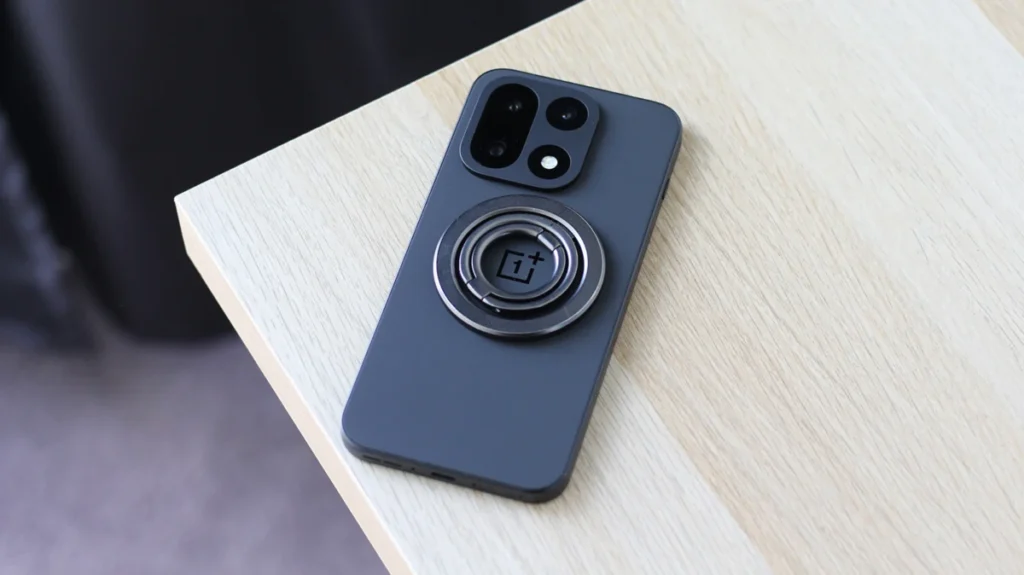
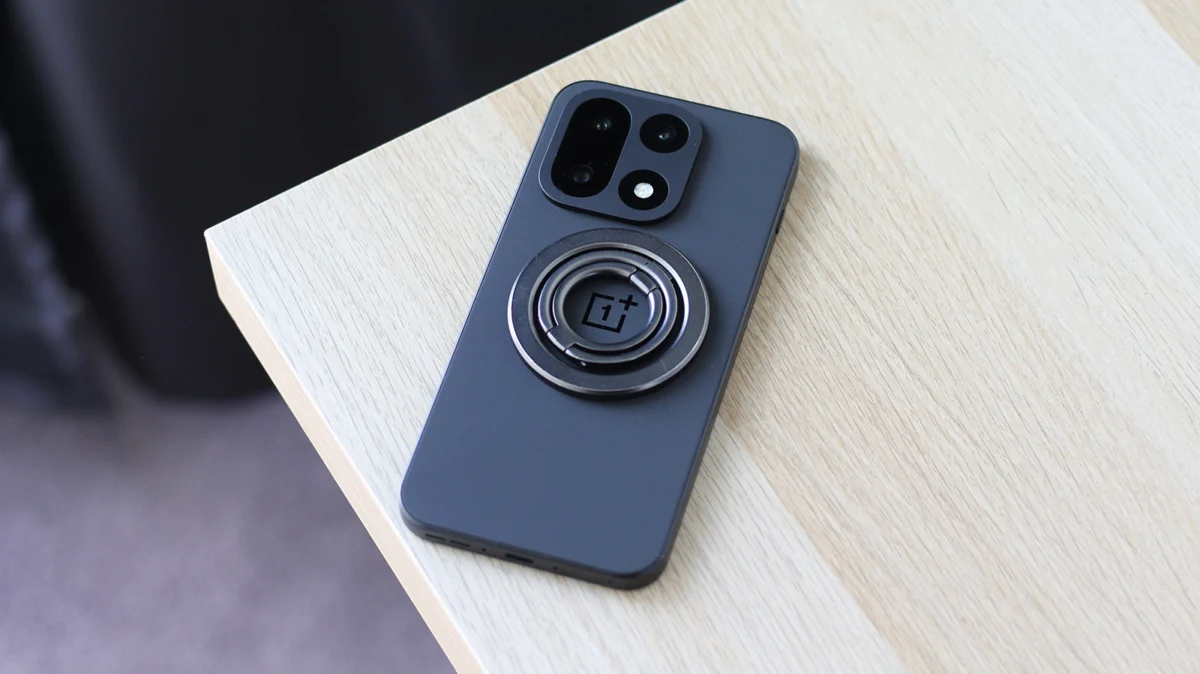
The most aesthetically pleasing solution is the dedicated magnetic phone case. Manufacturers like Samsung, OnePlus, and various third-party accessory brands have begun producing cases that embed a metal ring or a series of magnets directly into the back of the case.
When a user snaps this case onto their Android device, the magnets are positioned to align perfectly with the phone’s wireless charging coil. This serves two purposes: it ensures the most efficient energy transfer by locking the phone onto a charging puck, and it provides a reliable anchor for accessories like magnetic wallets, ring grips, and car mounts.
2. The Universal Adhesive Conversion Kit
For users who prefer slim cases or own phones for which magnetic cases are not manufactured, the market offers "MagSafe conversion kits." These are thin, adhesive-backed metal rings designed to be stuck onto the exterior of any phone case.
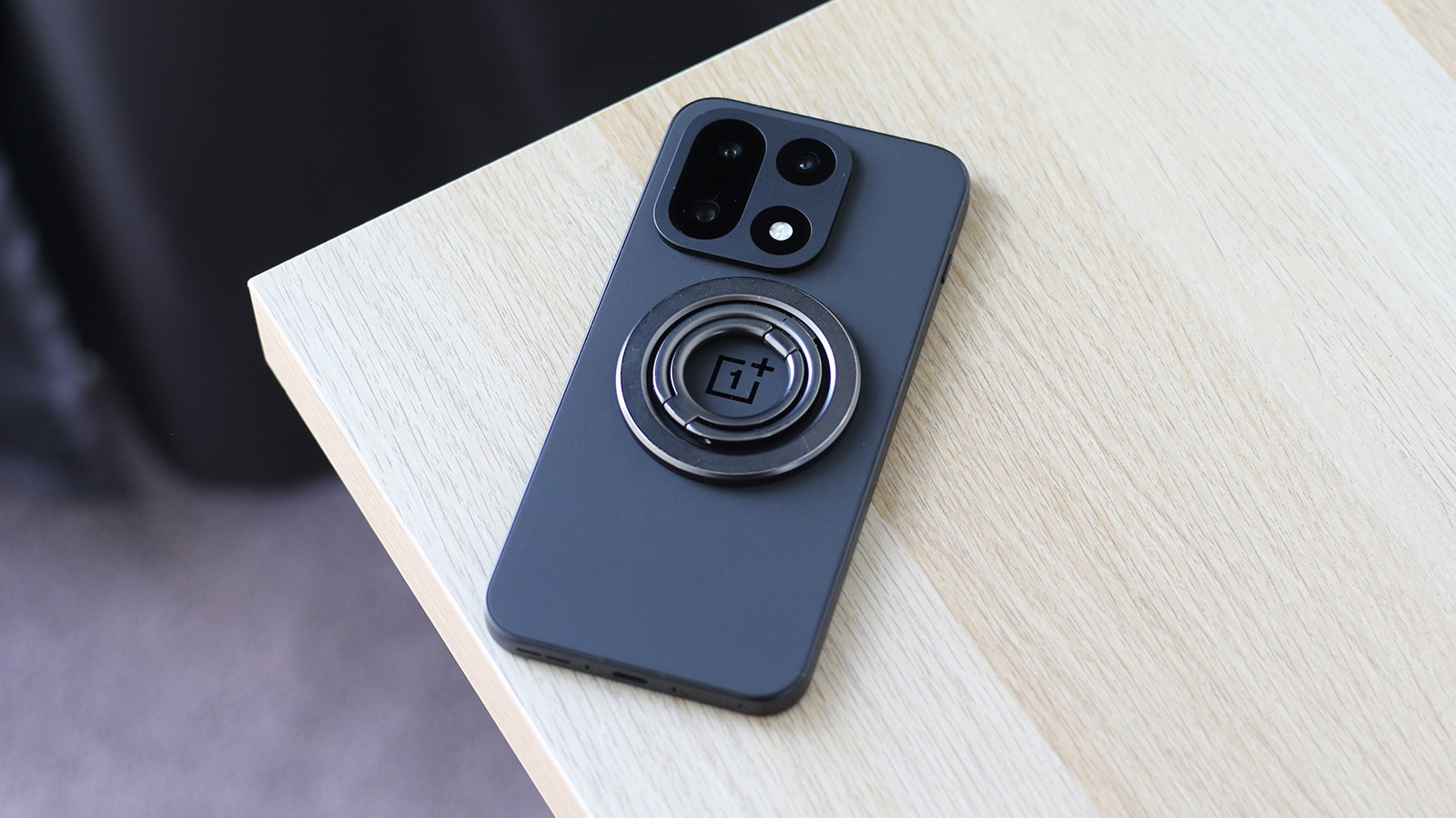
Brands like ESR, Spigen, and various budget-friendly manufacturers have seen a massive uptick in sales for these conversion stickers. By applying a high-quality 3M-backed ring to the rear of a phone case, users can instantly grant their device "magnetic compatibility." While this adds a slight bump to the profile of the phone, it offers universal compatibility, turning a flagship Galaxy or a mid-range Motorola into an accessory-ready hub.
Supporting Data and Market Trends
The "MagSafe for Android" trend is more than just a niche hobbyist movement; it is a burgeoning sector of the mobile accessory market.
- Market Growth: Recent analytics from e-commerce platforms suggest a 40% year-over-year increase in searches for "magnetic rings for phone cases" and "Qi2-ready Android accessories."
- Charging Efficiency: Independent tests have shown that using a magnetic alignment ring on an Android device can improve charging efficiency by up to 15% compared to "guess-and-check" wireless charging pads, as the magnets eliminate the heat loss caused by misaligned coils.
- The Power of Ecosystems: The demand for MagSafe-style car mounts is particularly high among Android users who commute frequently. A magnetic mount offers a "one-handed" interaction that traditional spring-loaded clamps cannot match, providing a compelling incentive for users to adopt these workarounds.
Industry Perspectives: The Official Response
The shift toward magnetic standards is not happening in a vacuum. Major players are finally acknowledging that users prioritize convenience over proprietary lock-in.
Google’s recent foray into "Pixelsnap" marks a significant turning point. While the company has been tight-lipped about the exact specifications, industry leaks suggest that the Pixel 10 will be designed with the Qi2 standard in mind, effectively normalizing magnetic attachments for the flagship Android experience.
HMD Global has taken a more vocal stance, explicitly marketing the repairability and versatility of their devices. By incorporating magnets into the HMD Skyline, they have signaled that the "magnetic back" is no longer just an Apple trademark, but a functional hardware feature that consumers demand in a modern, multi-purpose smartphone.
Even Samsung, historically protective of its accessory ecosystem, has quietly introduced magnetic-compatible cases for its S-series devices, acknowledging that a large portion of its user base is already buying third-party magnetic accessories.
Implications for the Future of Mobile Hardware
What does this mean for the future of the smartphone? We are likely witnessing the end of the "proprietary accessory" era.
Increased Longevity and Sustainability
By adopting universal magnetic standards like Qi2, the industry is reducing electronic waste. When a phone is designed to be compatible with a universal ecosystem of chargers and mounts, users are less likely to discard their accessories when they upgrade their phones. A magnetic car mount bought today will likely work with a phone released in 2027.
The Rise of Modular Functionality
The success of MagSafe accessories—such as battery packs that snap onto the back, wallets that magnetically attach, and specialized camera grips—proves that users want modularity. By embracing magnetic standards, Android manufacturers are opening the door to a new wave of third-party innovation. We may soon see specialized medical sensors, high-fidelity microphones, or dedicated gaming controllers that snap onto the back of any Qi2-compatible Android phone.
The Death of the "Walled Garden" Benefit
For years, Apple’s greatest defense of its closed ecosystem was that it allowed for "seamless" accessory integration. As Android manufacturers adopt magnetic standards, that argument loses its weight. When an Android user can pull an accessory off their friend’s iPhone and stick it onto their own phone, the boundaries between the two platforms become significantly more porous.
Conclusion: A More Connected Future
The adoption of MagSafe-style functionality on Android is a testament to the power of consumer demand. While manufacturers were slow to recognize the utility of magnetic connectivity, the DIY spirit of the Android community—fueled by adhesive rings and third-party cases—has forced the industry’s hand.
Whether through the official integration of Qi2 in upcoming flagship devices or the continued proliferation of aftermarket conversion kits, the magnetic ecosystem is here to stay. Android users no longer have to envy the "cool accessories" of the iPhone world. Instead, they are integrating those accessories into their own daily routines, proving that the best hardware features are the ones that are shared, not guarded.
As we look ahead, the transition from "Apple MagSafe" to "Universal Magnetic Connectivity" will likely be remembered as the moment the smartphone industry finally prioritized user convenience over ecosystem lock-in. For the average user, that means a more functional, versatile, and—quite literally—a more "attached" mobile experience.