Empowering the Future: Google Announces Third Annual Women in Machine Learning Symposium
By Editorial Staff
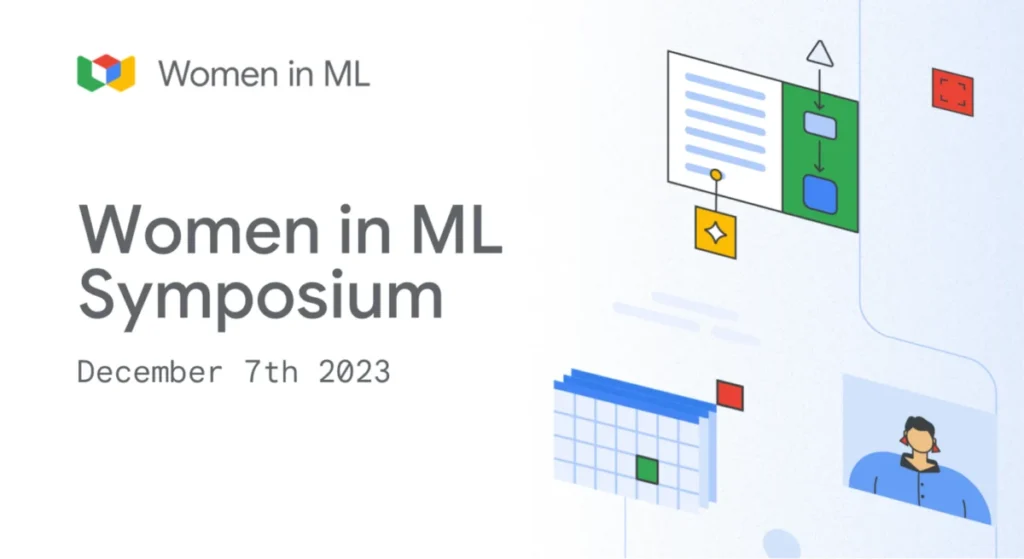
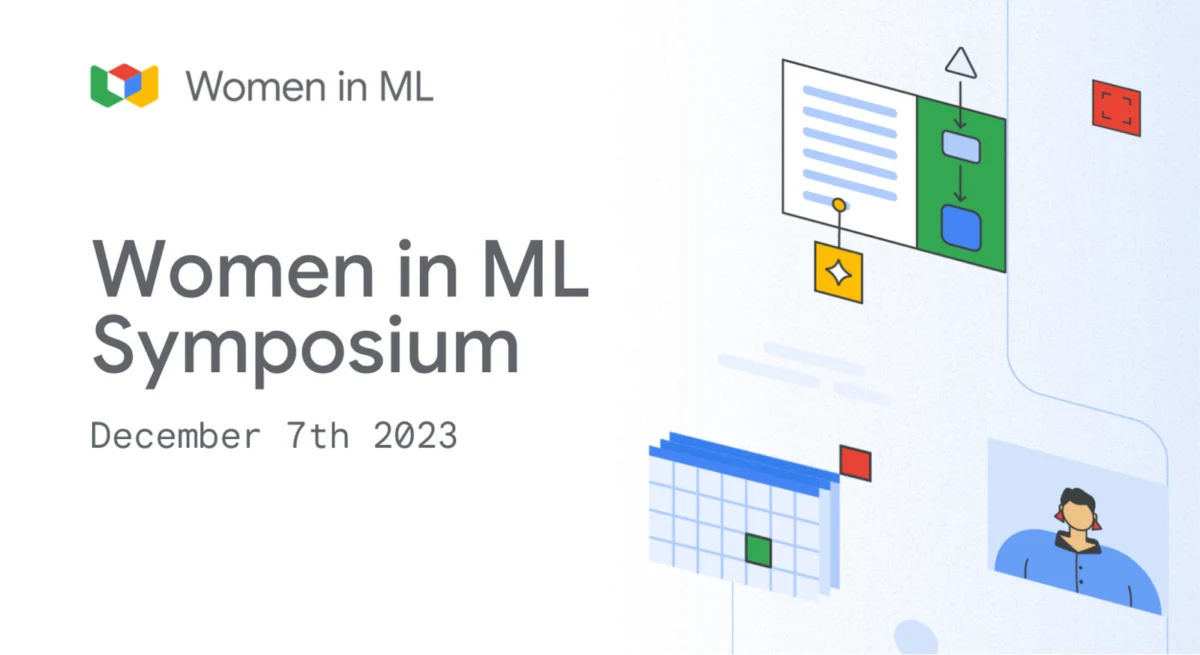
In an era defined by the rapid acceleration of artificial intelligence, the need for diverse perspectives in technical leadership has never been more critical. Recognizing this, Google has officially announced the return of its premier industry event: the Women in Machine Learning (WiML) Symposium. Scheduled for December 7, 2023, the third annual installment of this virtual summit promises to be a landmark gathering for technologists, researchers, and innovators dedicated to shaping the future of AI.
The symposium, hosted virtually from 9:30 am to 1:00 pm PT, aims to bridge the gap between theoretical research and practical application, offering a high-level platform for professional growth, technical skill-building, and cross-industry networking.
Main Facts: What to Expect from WiML 2023
The Women in Machine Learning Symposium is not merely a conference; it is a strategic initiative designed to foster inclusivity within a sector traditionally dominated by a narrow demographic. According to Sharbani Roy, Senior Director of Product Management at Google, the event is meticulously curated to provide value to attendees regardless of their professional trajectory.
"We are thrilled to bring the community back together for a third year," says Roy. "The goal is simple: to provide a space where women in the field can access cutting-edge research, engage with industry leaders, and find the tools they need to build the next generation of AI applications."
Key components of the 2023 agenda include:
- Generative AI Deep Dives: Exploring the architecture and ethical considerations of Large Language Models (LLMs).
- Privacy-Preserving AI: Technical sessions on how to maintain data integrity and user privacy in an increasingly data-hungry AI ecosystem.
- Infrastructure and Accelerators: An examination of the underlying hardware and software frameworks, such as TPU and GPU optimization, that make modern AI possible.
- Industry Applications: Real-world case studies detailing how ML is currently being deployed in healthcare, creative suites, and enterprise solutions.
Chronology: Building a Foundation for Inclusion
The WiML Symposium is the culmination of years of advocacy within Google to address the gender disparity in technical roles.
2021: The Inaugural Launch
The inaugural symposium was launched in response to the massive pivot toward remote learning and collaboration during the global pandemic. It established the baseline for the event: a virtual-first approach that democratized access for global participants who might otherwise be unable to attend in-person summits in tech hubs like Silicon Valley.
2022: Expanding the Scope
The second annual event focused on scaling. By inviting partners from external organizations and academia, Google demonstrated that the movement was not just an internal corporate initiative but a broader industry necessity. The feedback from 2022 highlighted a specific demand for more granular, "intermediate-to-advanced" technical content, which has directly informed the structure of the 2023 program.
2023: The Year of Practicality
As the industry moves from the "hype" phase of generative AI to the "integration" phase, the 2023 symposium is positioned to address the "how-to." Attendees will find that the focus has shifted from high-level concepts to the technical minutiae of model deployment, MLOps, and the responsible scaling of AI systems.
Supporting Data: The Current Landscape of AI Diversity
The necessity of the WiML Symposium is underscored by persistent data regarding the gender gap in STEM and AI. According to the World Economic Forum’s Global Gender Gap Report, women continue to be significantly underrepresented in AI-related roles. Specifically, while women make up a substantial portion of the workforce in many sectors, they hold less than 25% of AI-specialized positions globally.
Furthermore, academic data suggests that the pipeline is suffering. Research from the Computing Research Association (CRA) indicates that while the number of women enrolling in computer science undergraduate programs is slowly rising, the retention rate for women in PhD programs focused on machine learning remains a critical bottleneck.
The WiML Symposium acts as a critical intervention in this pipeline by:
- Mentorship Visibility: Providing access to leaders from companies like Nvidia and Adobe, showing participants that there is a clear path to executive leadership.
- Resource Accessibility: Offering tutorials on open-source frameworks that reduce the barrier to entry for independent researchers and students.
- Network Building: Connecting disparate pockets of talent to create a global support structure.
Official Responses and Expert Insights
The impact of the symposium is measured not only by attendance numbers but by the quality of the discourse. The 2023 roster features speakers from the vanguard of the industry. Representatives from Google Health are expected to discuss the ethical deployment of diagnostic AI, while engineers from Nvidia will likely deep-dive into the hardware requirements for training increasingly complex neural networks.
"The industry needs a diversity of thought to solve the biggest challenges in AI," says a spokesperson from the planning committee. "When we look at the complexity of problems in healthcare or climate science, we cannot afford to leave 50% of the population’s potential innovation on the table. This symposium is about ensuring that the builders of AI reflect the world that AI is intended to serve."
Industry analysts have praised the event for its commitment to "level-agnostic" content. By catering to beginners while simultaneously providing high-level technical deep dives for advanced practitioners, the symposium avoids the trap of being either too academic or too introductory, providing a rare "middle ground" of practical utility.
Implications: The Long-Term Impact on the AI Industry
The implications of the Women in Machine Learning Symposium extend far beyond the four-hour virtual event on December 7.
Shaping Ethical Standards
One of the most profound impacts of bringing more women into the ML fold is the shifting discourse around AI ethics. Diverse teams are statistically more likely to identify algorithmic bias and unintended consequences in model outputs. By fostering a community that prioritizes responsible AI, the symposium is actively helping to set the industry standard for ethical development.
Democratizing Access to Tools
As AI becomes the foundational layer of the global economy, access to high-quality training is a form of economic empowerment. By providing free access to sessions on advanced frameworks and Google’s own internal tools, the symposium ensures that talent from all backgrounds has the opportunity to lead in the next decade of digital transformation.
Catalyzing Future Collaboration
The networking opportunities provided at the symposium serve as a seedbed for future startups, research papers, and open-source projects. Many participants from previous years have reported that the connections made during the virtual breakout sessions led to collaborative research projects and even career transitions into AI-specialized roles.
How to Participate
For those looking to secure their spot, registration is currently open via the official Google AI Developers portal.
The event is designed to be highly interactive. Unlike traditional webinars, the WiML Symposium encourages active participation through live Q&A sessions, virtual networking lounges, and access to a repository of resources that will remain available to attendees post-event.
As the industry stands on the precipice of a new era of generative intelligence, the Women in Machine Learning Symposium stands as a testament to the fact that the future of AI is not just about the code—it is about the people who write it. By championing inclusivity, technical excellence, and shared learning, Google is helping to ensure that the next chapter of AI is authored by a diverse, capable, and empowered global community.
Event Details at a Glance:
- Date: December 7, 2023
- Time: 9:30 am – 1:00 pm PT
- Format: Virtual/Online
- Registration: Open to all levels of expertise
- Focus Areas: Generative AI, Privacy-Preserving ML, AI Infrastructure, Industry Applications.
Don’t miss the chance to be part of the conversation. Whether you are a student just starting your journey or an industry veteran looking to stay ahead of the curve, the 2023 WiML Symposium offers the insights, connections, and inspiration to navigate the evolving landscape of artificial intelligence.