Empowering the Future of AI: Google Announces Third Annual Women in Machine Learning Symposium
By [Your Name/Journalism Desk]
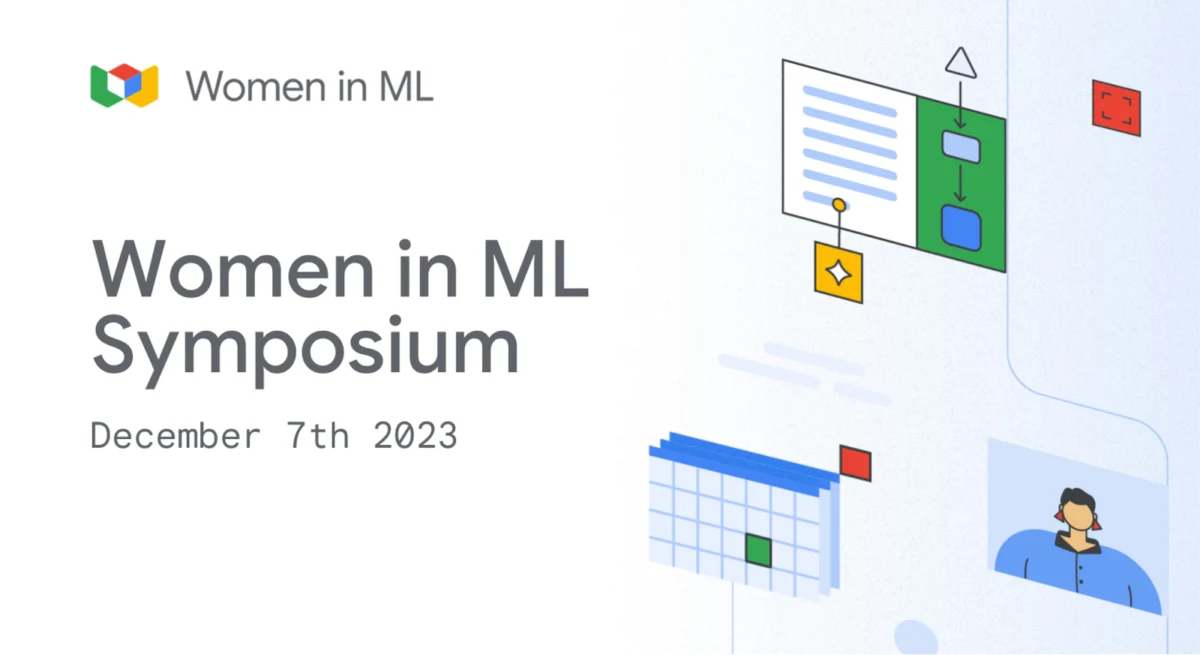
As the global landscape of artificial intelligence continues to evolve at an unprecedented pace, the need for diverse perspectives and inclusive leadership has never been more critical. Recognizing this imperative, Google has officially announced the return of its premier industry event: the Women in Machine Learning (WiML) Symposium. Now in its third year, the virtual gathering promises to bridge the gap between cutting-edge research and practical application, fostering a community dedicated to shaping the future of technology.
Scheduled for December 7, 2023, the event will run from 9:30 am to 1:00 pm PT. Designed to accommodate a global audience, the symposium serves as both an educational hub and a networking nexus for developers, researchers, and AI enthusiasts eager to navigate the complexities of modern machine learning.
The Core Mission: Bridging the Talent Gap
The Women in Machine Learning Symposium is more than just a series of technical lectures; it is a strategic initiative aimed at addressing the long-standing gender disparity within the STEM and AI sectors. By creating a dedicated space for women and non-binary individuals to showcase their expertise, Google is actively working to dismantle barriers to entry and provide professional development pathways for underrepresented groups.
According to Sharbani Roy, Senior Director of Product Management at Google, the event is built upon the pillars of accessibility and excellence. "We are thrilled to bring the community back together for a third year," Roy stated. "The goal remains the same: to provide an immersive, insightful experience that meets developers where they are, whether they are just beginning their journey into neural networks or are seasoned architects of large-scale language models."
Chronology of the Symposium’s Growth
The journey of the WiML Symposium reflects the rapid ascent of AI in the public consciousness:
- The Inception (2021): Launching during a pivotal year for generative models, the inaugural symposium focused on foundational literacy, providing a roadmap for those navigating the transition from traditional software engineering to machine learning operations (MLOps).
- The Expansion (2022): The second iteration saw a significant increase in international participation. The focus shifted toward responsible AI and the ethical deployment of models in real-world environments, setting the stage for the current regulatory climate.
- The Current Milestone (2023): This year’s symposium is set to tackle the "Generative Revolution." With the integration of LLMs into everyday workflows, the 2023 agenda is the most ambitious to date, focusing on practical implementation, hardware acceleration, and the intersection of AI with specialized fields like healthcare and creative software.
Supporting Data and Technical Scope
The 2023 agenda is meticulously structured to ensure that every attendee, regardless of their background, finds value in the programming. The symposium is categorized into four primary tracks, each addressing a critical pillar of the contemporary AI ecosystem:
1. Generative AI and Large Language Models (LLMs)
Generative AI has dominated the tech discourse for the past 18 months. The symposium will dedicate significant airtime to the mechanics of transformer architectures, prompt engineering, and the fine-tuning of pre-trained models. Attendees will learn how to leverage Google’s latest AI offerings to build applications that are not only functional but scalable.
2. Privacy-Preserving Machine Learning
As data privacy regulations like GDPR and CCPA become more stringent, the ability to build AI that respects user privacy is a competitive advantage. The sessions will cover Federated Learning, differential privacy, and homomorphic encryption, providing developers with the tools to innovate without compromising data integrity.
3. Hardware Accelerators and ML Frameworks
Software is only as good as the hardware it runs on. The symposium will dive deep into the ecosystem of Tensor Processing Units (TPUs) and GPU-accelerated workflows. By demystifying the relationship between software frameworks like TensorFlow or JAX and the underlying hardware, Google aims to empower developers to optimize their models for cost-efficiency and performance.
4. Cross-Industry Practical Applications
AI is no longer confined to Big Tech. From precision medicine to supply chain optimization, the symposium will feature case studies from industry titans including Nvidia, Adobe, and Google Health. These sessions provide a roadmap for moving models from research prototypes to production-ready enterprise solutions.
Official Perspectives: Industry Leaders Speak
The symposium features a curated list of speakers who represent the vanguard of the industry. By bringing together leaders from diverse corporate backgrounds, Google facilitates a cross-pollination of ideas that is rarely found in singular corporate events.
"The collaborative nature of this year’s event is its strongest asset," noted an industry analyst familiar with the event’s programming. "By including voices from Adobe and Nvidia, Google is signaling that AI is a collaborative discipline. It’s not just about the code; it’s about the integration of that code into creative, biological, and physical systems."
The keynote sessions are expected to cover the strategic direction of Google’s AI roadmap, specifically focusing on how the company plans to support open-source contributions while maintaining its leadership in proprietary model development. For developers, these insights are crucial for future-proofing their skill sets against the rapid cycles of obsolescence inherent in the AI market.
Implications for the AI Ecosystem
The implications of the 2023 Women in Machine Learning Symposium extend far beyond the duration of the virtual event. By providing free, high-level access to technical expertise, Google is lowering the barrier to entry for a new generation of talent.
The Democratization of Skill
The symposium actively pushes back against the notion that AI is an "ivory tower" discipline. By offering sessions for all levels—from those who have never trained a model to those debugging custom loss functions—the event helps to democratize the skills required for the modern workforce. This is essential for the global economy, which faces a projected shortfall of millions of qualified AI practitioners over the next decade.
Shaping Responsible AI
A recurring theme of the event is the focus on "Responsible AI." As models become more powerful, the risks associated with bias, hallucination, and security vulnerabilities increase. By placing these topics at the forefront, the symposium acts as a training ground for the next generation of engineers who will be responsible for the guardrails of future systems. The focus is on moving away from "move fast and break things" toward "build sustainably and securely."
Fostering Professional Networks
For many women in the field, isolation can be a significant hurdle to long-term career success. The WiML Symposium provides a platform for mentorship and peer-to-peer networking. By connecting early-career researchers with industry veterans, the event helps to create a support structure that encourages long-term retention within the tech sector.
How to Participate
As the date approaches, the excitement surrounding the symposium continues to build. Interested participants are encouraged to visit the official registration page to review the full agenda and secure their spot.
The event remains virtual, acknowledging the importance of flexibility for a global audience. Whether attending from a home office, a university lab, or a corporate workspace, participants will have access to live Q&A sessions, interactive panels, and on-demand content that allows for learning at their own pace.
Conclusion: A Turning Point for Technology
The 2023 Women in Machine Learning Symposium arrives at a pivotal moment. As we stand on the precipice of a new era of human-machine interaction, the decisions we make today regarding diversity, accessibility, and ethics will define the trajectory of the next century of innovation.
By investing in this symposium, Google is not merely hosting an event; it is investing in the human capital that will solve the most complex problems of our time. From the refinement of diagnostic algorithms in healthcare to the creative potential of generative tools in the arts, the women who participate in this symposium are set to become the architects of the future.
For those looking to stay at the cutting edge of the field, the December 7th symposium is a must-attend event. It is an invitation to learn, to connect, and to contribute to a field that is, quite literally, rewriting the rules of the world. Ensure your place in the conversation—RSVP today and join the community that is defining the next frontier of artificial intelligence.