From Digital Arenas to Silver Screens: Chernin Entertainment Secures Rights to ‘The Finals’ and ‘Arc Raiders’
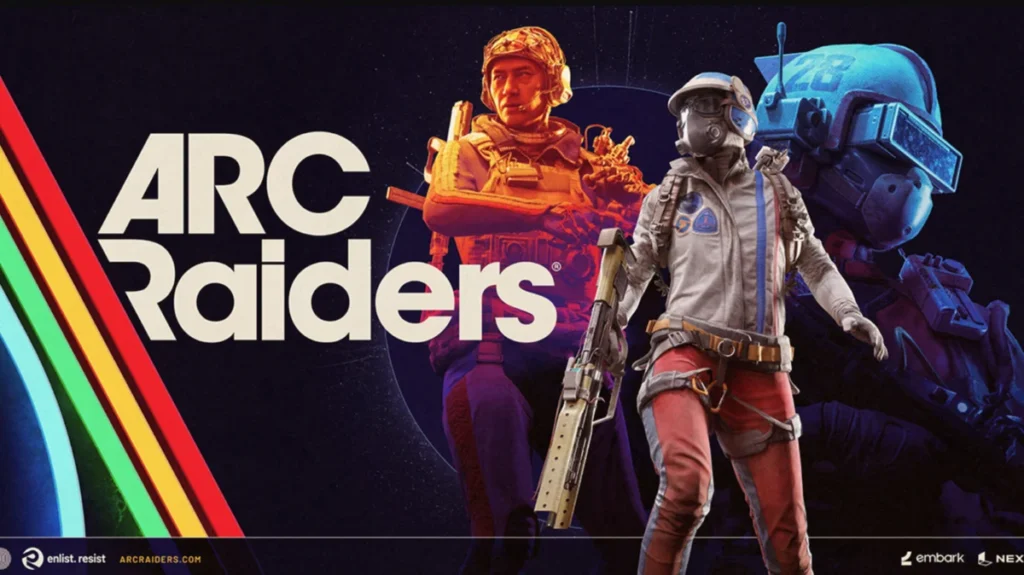
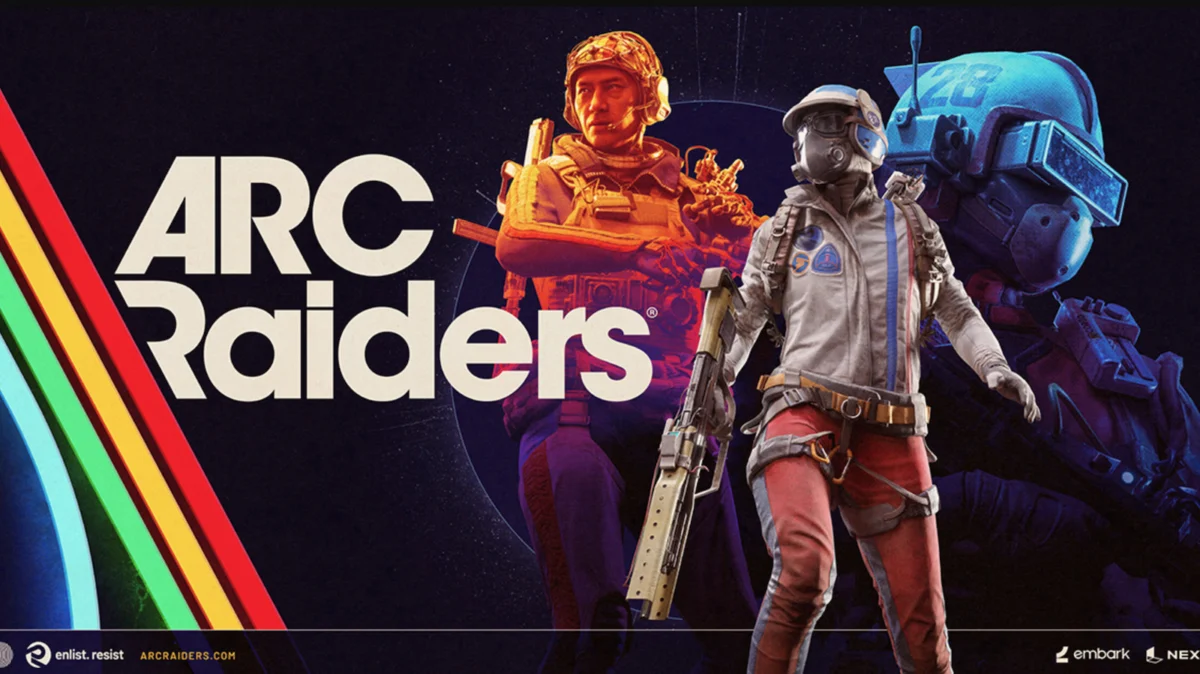
The gold rush of video game adaptations shows no signs of slowing down. In the latest move to capitalize on the lucrative intersection of interactive entertainment and prestige cinema, Chernin Entertainment—the powerhouse production studio behind Kingdom of the Planet of the Apes—has officially inked a deal to bring Embark Studios’ high-octane titles, The Finals and Arc Raiders, to the world of television and film.
This partnership marks a significant milestone for Embark Studios, the Stockholm-based developer founded by former DICE veterans, as they look to transition their rapidly expanding digital ecosystems into multi-platform transmedia franchises. While specific plot points and casting remain under wraps, the industry is already abuzz with speculation regarding how these high-concept games will translate into linear narratives.
The Foundation: A Rapid Rise in Digital Gaming
To understand the gravity of this acquisition, one must look at the meteoric rise of the source material. The Finals, a free-to-play, team-based first-person shooter, took the gaming world by storm with its hyper-kinetic, game-show-inspired aesthetic and fully destructible environments. The premise—a virtual combat arena where contestants vie for fame and fortune in a reality-TV style spectacle—is tailor-made for a cinematic adaptation.
Conversely, Arc Raiders offers a different, more atmospheric flavor. Initially conceived as a co-op extraction shooter, the game leans heavily into a retro-futuristic, post-apocalyptic setting dominated by mysterious, lethal machines. The game’s focus on survival, scavenging, and the looming threat of the “Arc” provides a grounded, high-stakes narrative framework that contrasts sharply with the glitz and carnage of The Finals.
By securing both, Chernin Entertainment has effectively acquired two distinct "flavors" of sci-fi action, providing a versatile portfolio that can cater to different audience demographics.
Chronology: The Evolution of the Gaming-to-Film Pipeline
The industry’s relationship with video game adaptations has undergone a radical transformation. For decades, the "curse" of the bad video game movie haunted Hollywood, resulting in a string of critical and commercial failures. However, the paradigm shifted recently with the success of projects like The Last of Us, Fallout, and The Super Mario Bros. Movie.
The timeline of this specific deal traces back to the surging popularity of Embark’s titles within the competitive gaming community. Following the successful launch and steady player retention of The Finals, industry insiders began tracking interest from major production houses.
- 2023: The Finals launches globally, drawing millions of players with its innovative destruction engine.
- 2024: Embark Studios continues to refine the narrative world-building of both The Finals and Arc Raiders, signaling a long-term commitment to intellectual property (IP) growth.
- Early 2026: Negotiations between Embark Studios and Chernin Entertainment accelerate, focusing on a "shared universe" potential.
- Mid-2026: The official announcement confirms the partnership, setting the stage for development to begin in earnest.
The Strategic Vision: Transmedia and Brand Expansion
In a press statement, the leadership at Chernin Entertainment emphasized that this is not merely about making a movie; it is about building a "global IP."
"These are ambitious, world-class franchises with the inherent potential to anchor major cinematic universes," said a representative for the studio. The term "integrated transmedia experience" suggests that we might see a bidirectional flow of content: events in the games potentially influencing, or being influenced by, the television series or film arcs.
For Embark Studios, this move is a strategic necessity. In a saturated market, brand recognition is the primary currency. By moving into film and TV, Embark ensures that The Finals and Arc Raiders remain culturally relevant even for those who may never pick up a controller. This strategy mirrors the success of League of Legends with Arcane, where high-fidelity animation and storytelling elevated the game’s lore to unprecedented heights.
The Narrative Challenge: Adaptability vs. Fidelity
The most interesting aspect of this adaptation is the "blank canvas" nature of the source material. Unlike a narrative-heavy title like The Witcher or God of War, which come with pre-written scripts and defined character arcs, The Finals and Arc Raiders are mechanical-first experiences.
- The Finals: The narrative freedom here is immense. Because the game is set within a virtual, televised game show, the showrunners have the freedom to invent characters, explore the "real world" behind the game show, or focus on the political machinations of the corporations running the competition. It is a satire of reality television, hyper-capitalism, and extreme sports.
- Arc Raiders: This title offers a more traditional "survival" narrative. The mystery of the machines, the resistance movement of the survivors, and the bleak, beautiful aesthetic provide a template similar to The Hunger Games or Mad Max.
Chernin Entertainment’s pedigree—which includes work on the Fear Street trilogy and the Planet of the Apes franchise—suggests they are well-equipped to handle the heavy lifting of world-building. Their success with Kingdom of the Planet of the Apes proves they can maintain the spirit of an established property while breathing new life into it through high-end visual effects and grounded character drama.
The Broader Context: A New Era of Blockbusters
This deal does not exist in a vacuum. It is part of a broader, industry-wide shift where studios are turning to gaming libraries to fill the void left by traditional comic book movie fatigue. The upcoming slate of adaptations is staggering:
- Helldivers: Scheduled for 2027, this project will star Jason Momoa, bringing the high-octane, satirical military aesthetic of the game to the big screen.
- Elden Ring: A 2028 release date has been earmarked for a project that will test the limits of adapting FromSoftware’s cryptic, lore-heavy storytelling.
- Call of Duty: Anticipated for 2028, this represents the ultimate test: translating a hyper-realistic, annual franchise into a cohesive cinematic experience.
- The Legend of Zelda: Perhaps the most anticipated project in the history of the medium, with fans waiting to see how Nintendo handles its crown jewel.
Implications for the Future
What does this mean for the average consumer? First, it signals that the "game-to-screen" pipeline is now the primary engine of Hollywood development. Investors are no longer viewing games as risky, niche properties; they are viewing them as proven franchises with built-in, highly engaged audiences.
Second, the quality floor is rising. With production companies like Chernin entering the fray, the days of low-budget, poorly conceived adaptations are effectively over. These studios understand that to succeed, they must respect the source material while acknowledging the medium-specific requirements of film.
However, there is a risk of oversaturation. As the market fills with game-based content, only those that capture the feeling of the game—not just the aesthetic—will survive. The "integrated transmedia" approach mentioned by Chernin is the correct path, but it requires a level of coordination between developers and filmmakers that is notoriously difficult to achieve.
Final Thoughts
The deal between Chernin Entertainment and Embark Studios is a testament to the fact that the barrier between gaming and cinema has effectively dissolved. Whether The Finals becomes the next great dystopian action franchise or Arc Raiders defines the next generation of sci-fi survival, the intent is clear: these digital worlds are coming to our living rooms in a much more tangible, linear form.
As we look toward the late 2020s, the landscape of entertainment will be defined by these cross-pollinations. Fans of The Finals and Arc Raiders should be optimistic; they are in the hands of a studio that understands the mechanics of scale. Now, the waiting game begins—to see if the high-octane destruction of the arena can be captured on the silver screen without losing the heart of what made these games global phenomena in the first place.
The era of the "Gamer-Blockbuster" is upon us, and if the current trajectory holds, the best is yet to come.