From Proprietary Frustration to Open Source Efficiency: A Case Study in Digital Sovereignty
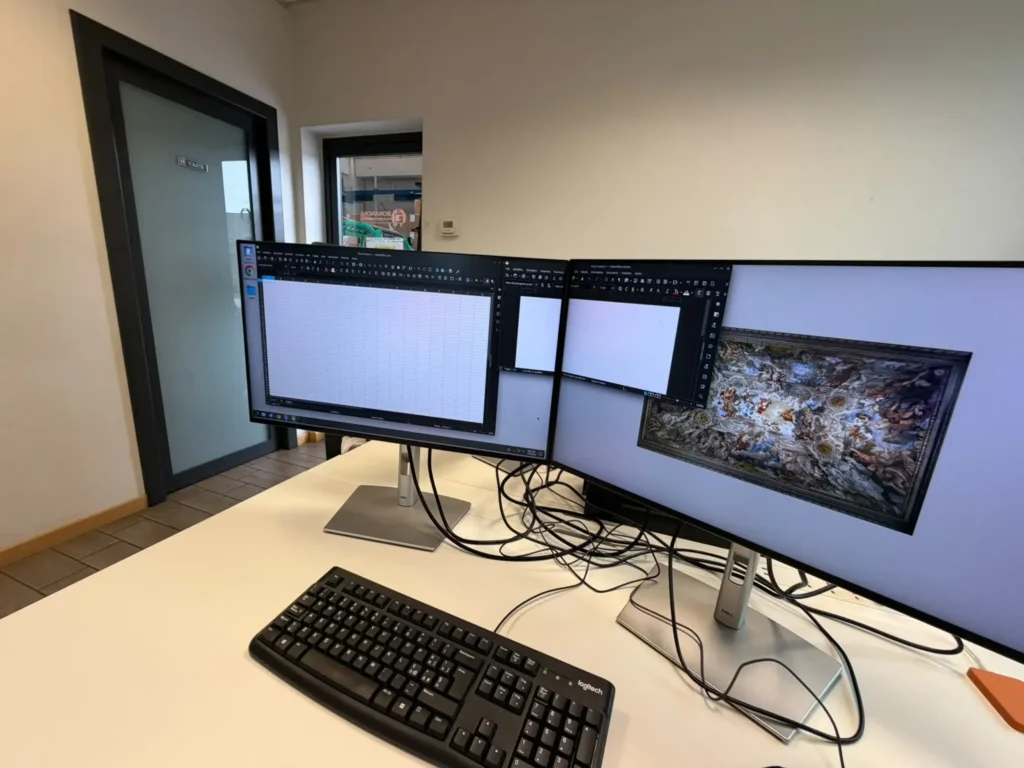
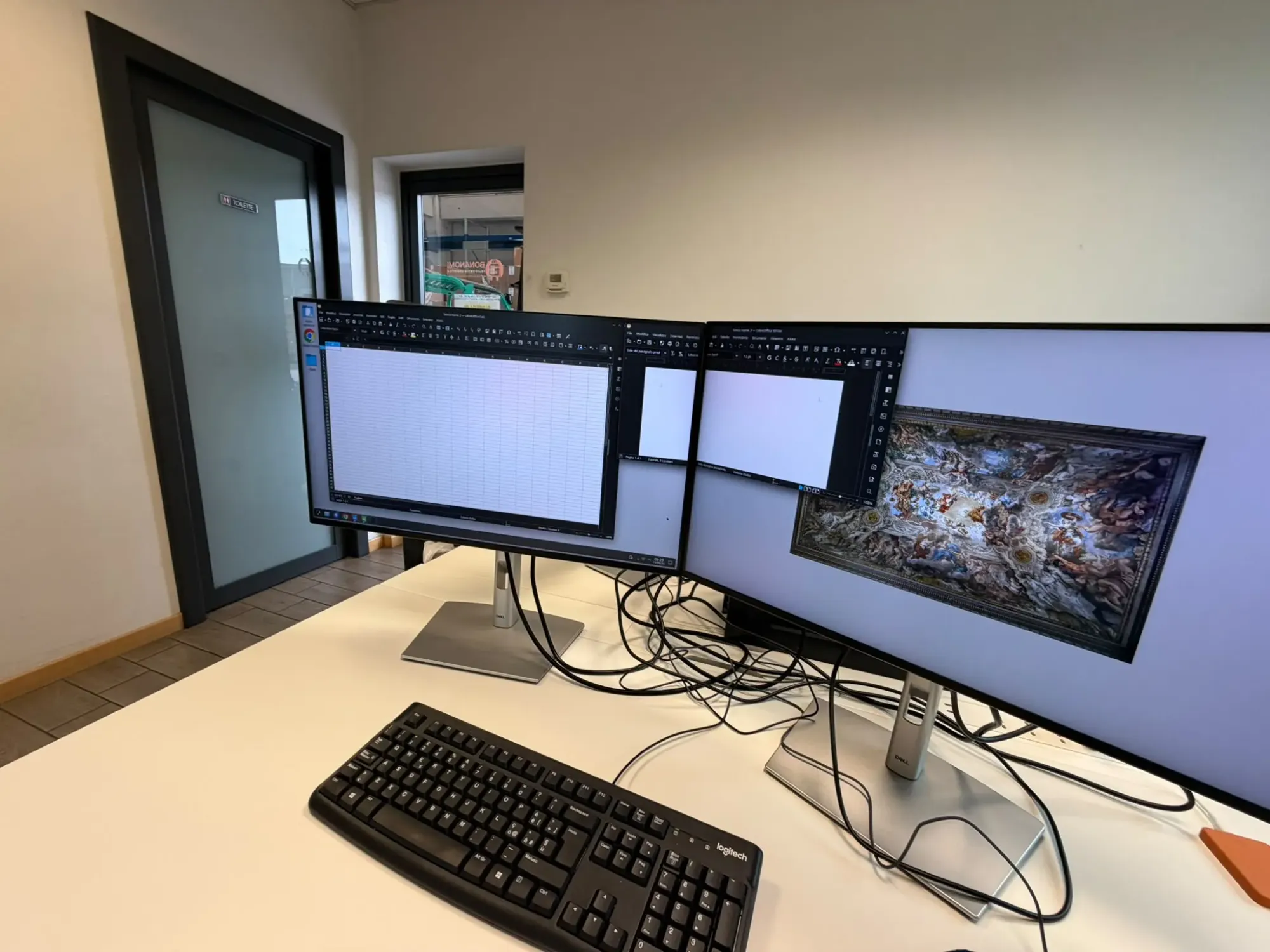
In an era where small and medium-sized enterprises (SMEs) are often held captive by rising licensing costs and opaque, resource-heavy proprietary software ecosystems, the story of a logistics firm in Mapello, Italy, serves as a compelling proof-of-concept for the viability of Linux.
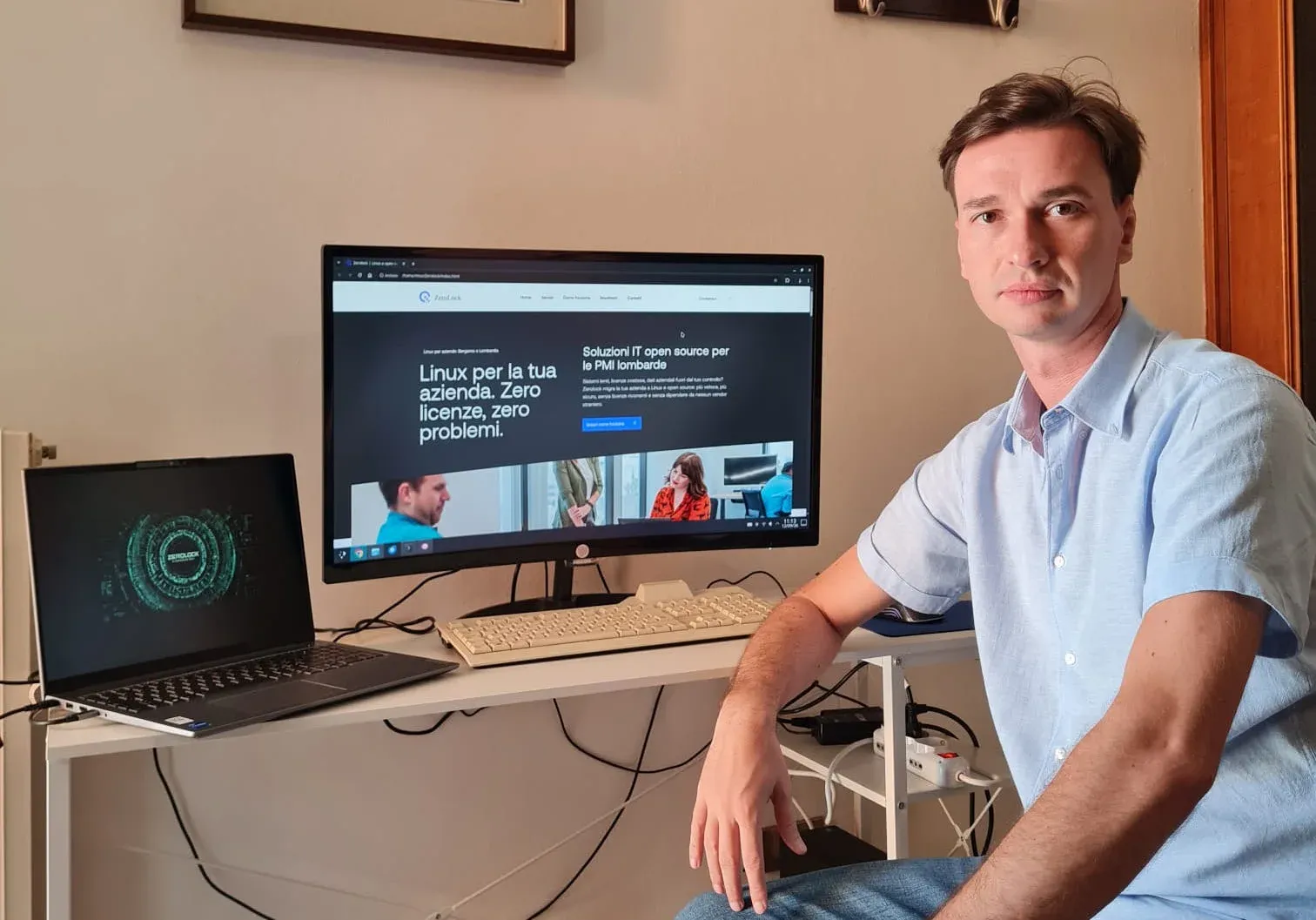
Miào Oroz, founder of the Italian IT firm Zerolock, recently documented the transformation of a local transport company from a Windows-based environment to a fully open-source infrastructure. This migration, which eliminated recurring licensing fees while reclaiming an estimated hour of productivity per employee daily, offers a roadmap for businesses seeking to escape the "vendor lock-in" trap.
The Catalyst for Change: Chronic IT Friction
The project began in early 2026, driven not by ideological fervor, but by pure operational necessity. The owner of the logistics firm, managing a fleet of drivers and a five-person office staff, reached a breaking point. His team was plagued by the "IT tax"—the hidden cost of downtime, sluggish workstations, and the constant need for external technical interventions.
"He was tired of paying for software that kept causing problems, tired of calling an external technician, and tired of his team losing time to things that had nothing to do with moving goods," Oroz noted.
The Previous Environment
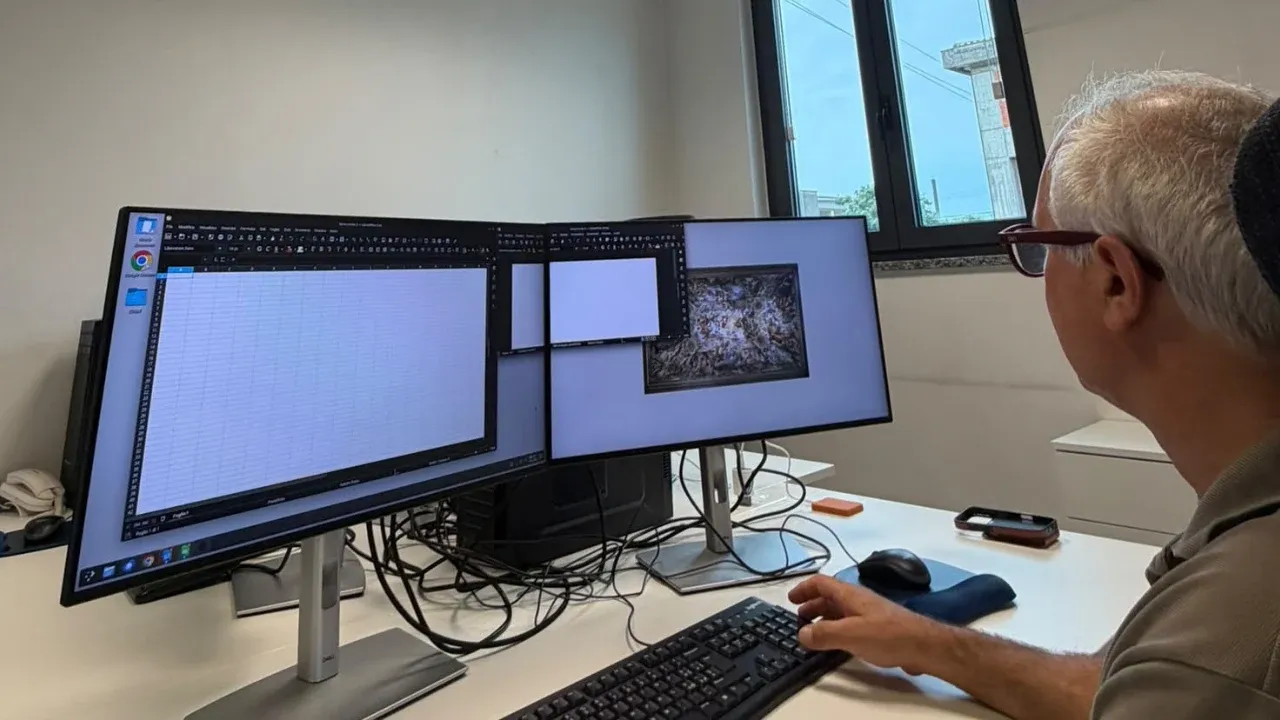
Before the migration, the company’s infrastructure was emblematic of many small businesses:
- Operating System: Five workstations running a legacy proprietary OS.
- Software Suite: Commercial, per-user licensed office software.
- Security: Paid, annually renewed third-party antivirus solutions.
- Operational Silos: Data was fragmented between local drives and a poorly managed shared folder, leading to frequent version-control errors.
- Communication Gaps: Drivers relied on WhatsApp for business-critical coordination, creating a lack of professional oversight, no archiving, and zero separation between personal and professional life.
Chronology of the Migration: A Weekend Transformation
Oroz emphasizes that successful migration is 20% technology and 80% logistics and training. The project followed a structured, multi-phase timeline.
Phase 1: Assessment and Discovery
Oroz spent weeks auditing the specific workflows of each employee. Rather than looking at the software installed, he focused on the tasks performed: word processing, spreadsheet management, email, and file sharing. Crucially, the business did not rely on highly specialized proprietary software, making it an ideal candidate for a seamless transition.
Phase 2: Testing and Infrastructure Design
The new stack was built to prioritize stability and sovereignty:

- OS: Kubuntu 26.04 LTS (Long Term Support).
- Office Productivity: LibreOffice.
- Communication: Mattermost (self-hosted).
- File Management: Nextcloud (hosted on a secure Italian server).
- Firewall: pfSense for robust network security.
Everything was validated on a test bench before the production cutover. Oroz meticulously verified that LibreOffice could handle the company’s legacy document formats without degradation.
Phase 3: The Weekend Cutover
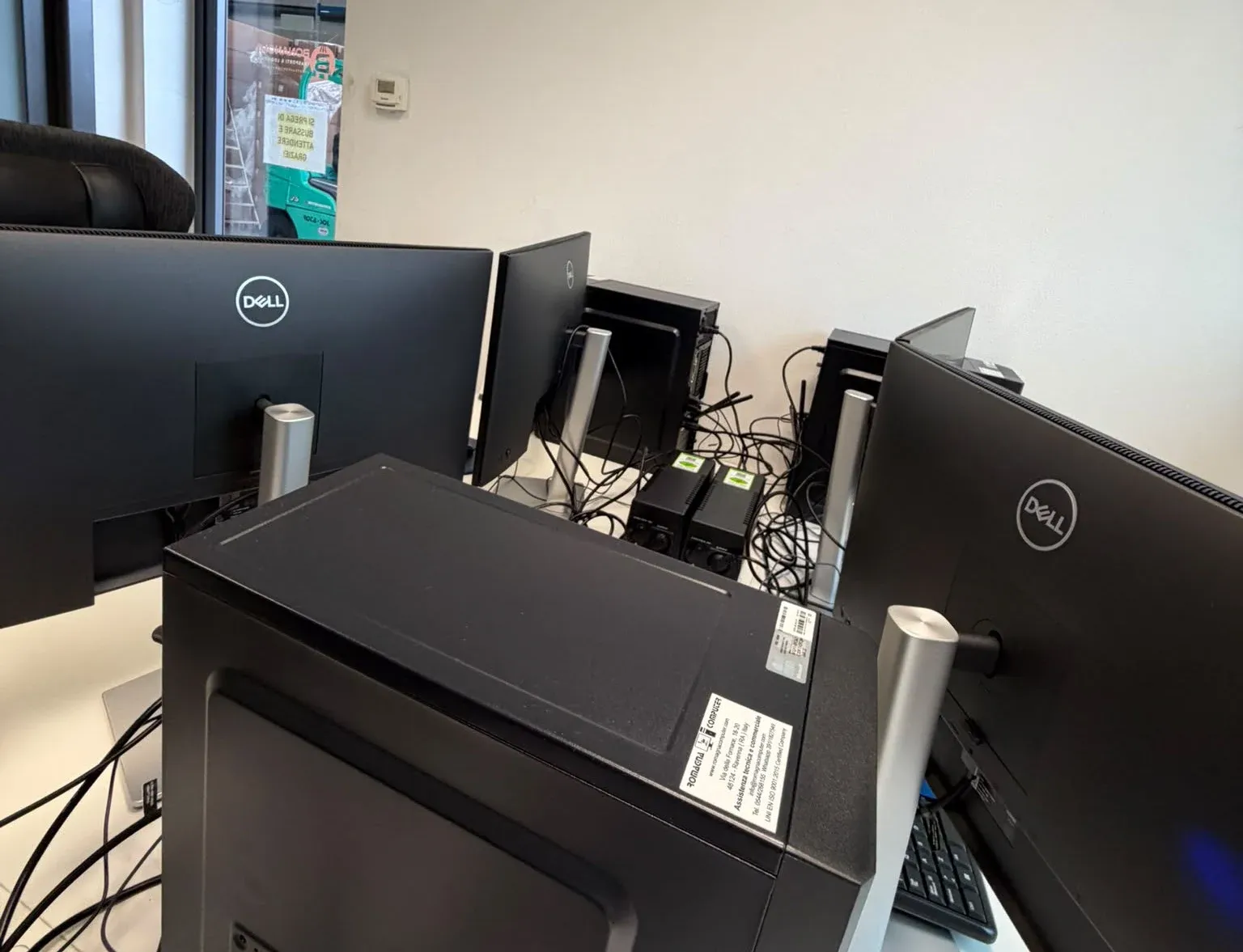
To minimize disruption, the physical migration occurred over a single weekend. All five workstations were wiped and reinstalled with a clean image of Kubuntu 26.04. Data was synchronized to the Nextcloud server prior to the migration, ensuring that when staff arrived on Monday morning, their files were exactly where they expected them to be.
Overcoming Technical Hurdles
No migration is without friction. Oroz highlighted two primary technical obstacles that required custom engineering:
The Epson Printer Dilemma
The company utilized an Epson WorkForce WF-C579R networked printer. Initially, the "driverless" IPP protocol—standard in modern Linux kernels—caused significant issues: the duplex printing function inverted pages, and print speeds were severely throttled. Oroz diagnosed this as a lack of PPA support for the specific Epson business model within the 26.04 framework. The resolution involved manually installing the printer-driver-escpr package and force-mapping the device via lpadmin, a technical nuance that highlights the importance of expert oversight in Linux deployments.
Wayland and Remote Access
The deployment of RustDesk for remote management revealed a conflict with the Wayland display protocol, which is now the default for Kubuntu 26.04. After evaluating various remote desktop solutions, Oroz established a self-hosted relay server via a VPS, which proved both secure and highly performant.
The Human Factor: Training as the Success Metric
Oroz is adamant that software is only as good as the user’s comfort level. He spent the first three days of the post-migration week on-site, conducting one-on-one training sessions.
"The software can be perfect and the migration still falls apart if the people using it feel abandoned," Oroz explained. By sitting with staff to solve their specific daily frustrations—such as how to navigate the new file structure or use the Mattermost interface—he ensured that the employees felt empowered rather than alienated.
Supporting Data: The Productivity Dividend
Six months post-migration, the results are quantifiable and stark:
- Boot Time: Instantaneous compared to the previous system, which required minutes of overhead for background antivirus scans.
- Stability: Zero unscheduled downtime or mid-morning restarts caused by forced updates.
- Licensing Costs: Reduced to zero. The recurring fees for the OS, office suite, and antivirus were eliminated entirely.
- Infrastructure Costs: The cost of the self-hosted Nextcloud server is significantly lower than the company’s previous cloud storage subscriptions.
- Recovery: The company reports approximately one hour of recovered productivity per employee, per day.
Implications for the SME Market
This case study carries significant implications for the broader IT industry. It challenges the long-standing myth that Linux is only for enthusiasts or large-scale data centers.
Why This Matters for Small Business
- Digital Sovereignty: By hosting their own data via Nextcloud, the logistics company is no longer at the mercy of foreign cloud provider terms of service or price hikes.
- Resource Efficiency: Open-source software is notoriously lighter on hardware, allowing older, perfectly functional computers to remain in service for years longer than they would under a modern, bloated Windows installation.
- Security by Design: With a hardened pfSense firewall and the removal of vulnerable, third-party proprietary applications, the company’s attack surface has been significantly reduced.
The Role of the "Linux Consultant"
The success of this project highlights a shift in the role of the modern IT technician. Instead of being a "repair person" who spends hours fixing proprietary software glitches, the technician becomes an architect of efficient, sustainable systems. The "Zerolock" model suggests that there is a growing market for local IT professionals who can bridge the gap between complex open-source infrastructure and the everyday needs of non-technical business owners.
Conclusion: A Blueprint for the Future
The story of this Mapello logistics company is a quiet revolution. It does not involve massive data centers or multi-million dollar corporate contracts, but it demonstrates the profound impact that open-source technology can have on the bottom line of a real-world business.
By prioritizing stability, security, and human-centric training, Miào Oroz has provided a tangible blueprint for any SME looking to cut costs while improving operational speed. As businesses continue to face economic pressure and the need for greater digital control, the "Linux migration" path is increasingly looking less like a radical choice and more like a competitive necessity. For those tired of the recurring "IT tax," the message is clear: open source is no longer just a philosophy—it is a business strategy.