Inside the Shadow Ecosystem: How Generic TV Boxes Power a Multimillion-Dollar AI Ad Fraud Empire
By Global Cybersecurity Desk
For years, cybersecurity researchers and law enforcement agencies have issued persistent warnings regarding bargain-bin streaming hardware. Often marketed online through social media influencers as miracle devices offering "unlimited content" and "free live television" for a nominal one-time fee, these generic Android-based TV boxes have long been suspected of turning domestic living rooms into silent relays for cybercrime.

While previous investigations primarily focused on how these devices secretly convert home internet connections into commercial residential proxies—renting out bandwidth to anonymous third parties—a groundbreaking new technical analysis exposes an even more sophisticated threat. According to a comprehensive report published by threat intelligence firm Bitsight, tens of thousands of popular generic streaming devices are actively weaponized in a sprawling, automated ad fraud ecosystem. This global operation leverages artificial intelligence, mobile device spoofing, and low-code software development frameworks to defraud digital merchants and advertising networks on an industrial scale.
Main Facts: The Anatomy of an Android TV Box Botnet
At the center of this expansive fraud network are unbranded and generic streaming sticks, most notably a widely distributed brand known as H96. These devices are frequently purchased on major e-commerce platforms such as Amazon, Best Buy, and Newegg. Out of the box, they are pre-loaded with unofficial, uncertified variants of the Android operating system bundled with malicious software components designed to exploit the hardware’s computing power and the user’s home network.

The operation functions through a dual-purpose architecture:
- The Dual State (Proxy vs. Fraud): Bitsight discovered that the H96 devices operate on an intelligent conditional trigger. When a television is powered on—signaled by an active HDMI connection—the streaming box typically pivots to functioning as a passive residential proxy, routing anonymous external traffic through the victim’s home IP address. However, when the television is turned off, the hardware seamlessly shifts into high-intensity ad fraud mode.
- Mobile Device Spoofing: To maximize ad revenue and evade basic detection mechanisms, the TV boxes deliberately misrepresent their digital fingerprints. When communicating with command-and-control servers, these stationary living-room boxes systematically spoof mobile operating systems, masquerading as popular smartphone models manufactured by industry leaders such as Samsung, Vivo, Huawei, and Xiaomi.
- AI-Generated Synthetic Web Properties: The spoofed devices are directed to visit custom-built, AI-generated websites populated by machine-written articles, computer-generated graphics, and generic blog content spanning finance, health, gaming, music, and food. Crucially, these sham web properties are programmed to display revenue-generating advertisements only when the visiting browser matches the specific mobile device profiles transmitted by the H96 boxes.
- Autonomous Click Bots: Utilizing advanced vision and reasoning systems, the botnet autonomously navigates the AI-generated sites, launches hidden web browsers, opens and closes tabs, and executes automated ad clicks with human-like behavioral patterns.
Chronology of Discovery: Unmasking the Fengwo Group
The unraveling of this complex digital fraud syndicate began when Pedro Falé, a threat researcher with Bitsight, acquired an expired domain name that had historically been used for hardware telemetry. This particular domain was responsible for periodically collecting device metadata, hardware configurations, and application installation lists from tens of thousands of H96 streaming devices deployed in homes worldwide.

Upon analyzing the inbound traffic routed to the newly acquired domain, Falé noticed an immediate anomaly:
- The Initial Anomaly: Despite the telemetry originating from stationary, mains-powered Android TV boxes, nearly every device reported its hardware profile as a mobile phone. "We noticed something was wildly wrong," Falé stated. "Multiple devices reporting to this factory Android TV Box backdoor were ‘phones.’"
- Application Traceback: A deeper inspection revealed that all reporting devices shared two identical applications. These programs were developed by Zhejiang Fengwo IoT Technology Ltd, a mainland Chinese entity founded in 2019 that oversees an application and ad-publishing portfolio known as the Fengwo Group. Bitsight’s telemetry tracking—dubbed Bitsight TRACE—linked the monetization streams of these apps through a web of single-person legal shell entities located in Hong Kong and Singapore, ultimately tracing financial control back to the parent company in China.
- Exploiting the Framework: Bitsight researchers found that Fengwo Group employees utilized Google’s visual programming language, Blockly—originally designed as an educational tool to help children learn software development via drag-and-drop code blocks. By leveraging a customized Blockly implementation hosted on internal enterprise wikis, low-skilled operators could visually assemble fraud routines without needing advanced coding knowledge. These modular tasks were then exported as JavaScript files and deployed dynamically to the infected streaming sticks via cloud storage buckets (AWS S3), drastically reducing operational overhead for the criminal enterprise.
Supporting Data and Scale of the Operation
While the technical mechanics of the ad fraud network are remarkably complex, the financial and structural metrics uncovered by Bitsight highlight the sheer scale of the illicit enterprise:

- Active Endpoints: Bitsight actively tracked approximately 38,000 unique TV boxes worldwide continuously phoning home to a single expired Fengwo Group domain. Researchers emphasize that this figure represents a conservative estimate, derived from telemetry associated with only one of the group’s older core domains.
- Daily Revenue Estimates: Based on the observed volume of automated traffic and ad interactions from these 38,000 endpoints, security analysts estimate that the ad fraud network pulls in close to $50,000 per day in fraudulent ad revenue. This figure notably excludes additional profits generated through the simultaneous renting of residential proxy bandwidth.
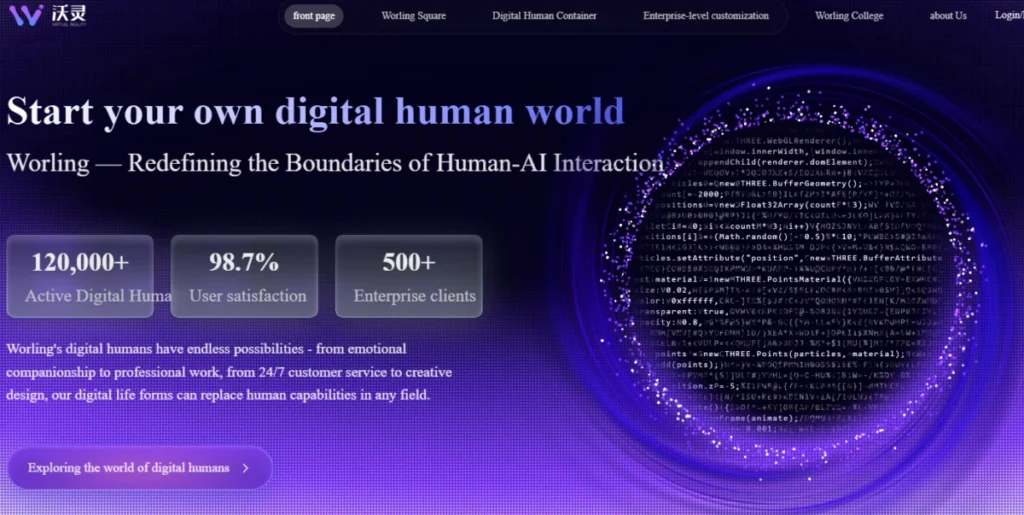
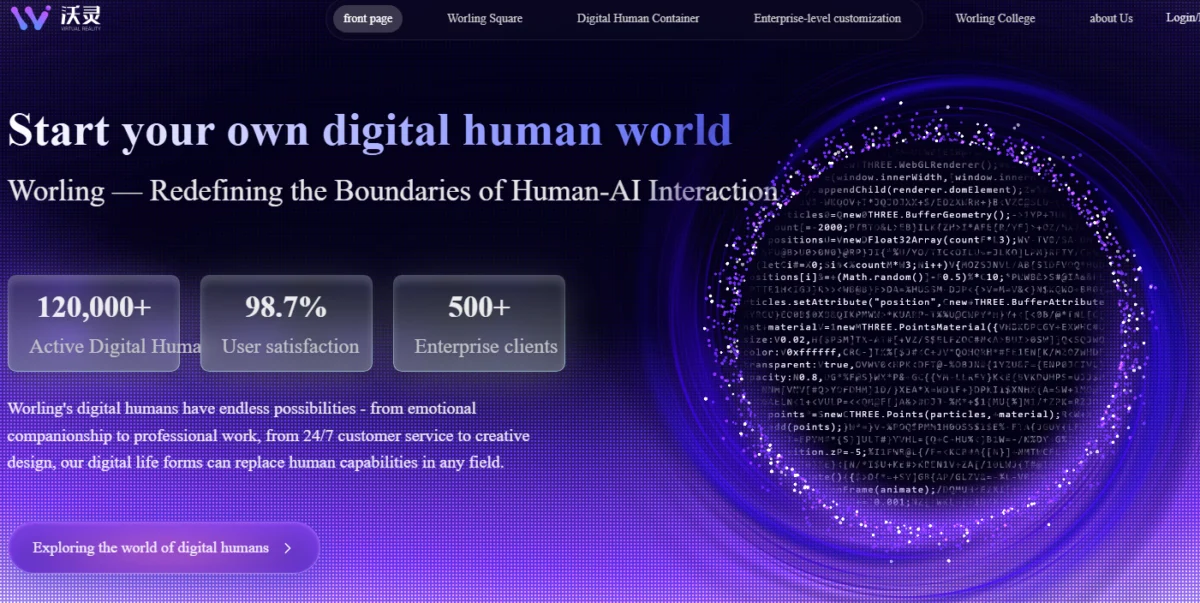
- The "AI Digital Humans" Facade: The primary domain for the Fengwo Group (
fwgcloud.com) outwardly markets the company as a cutting-edge artificial intelligence firm "redefining the boundaries of human-AI interaction." The site claims to host over 120,000 "AI digital humans" available for rent for customer service, creative design, and emotional companionship. However, Bitsight’s report concludes that this sophisticated corporate facade serves primarily as a digital smoke screen designed to mask illicit botnet and ad fraud infrastructure from automated compliance scanners and skeptical researchers. When security analysts attempted to contact Fengwo Group via the email address listed on its official website, the messages bounced back with server notifications stating that the inbox was completely full—ironically demonstrating a lack of functional customer service despite claims of massive AI operational capacity.
Official Responses and Regulatory Warnings
The proliferation of compromised Internet of Things (IoT) hardware has triggered coordinated responses from international law enforcement and regulatory bodies:
- The Federal Bureau of Investigation (FBI): The FBI has repeatedly issued formal cybersecurity alerts warning consumers about the inherent dangers of utilizing unverified, home-connected internet devices. Federal advisories highlight that cheap smart devices—particularly generic streaming boxes and digital photo frames—frequently ship pre-installed with backdoors and unauthorized residential proxy clients that facilitate transnational cybercrime.
- Major E-Commerce Platforms: Despite growing pressure from cybersecurity advocates, major global e-commerce giants including Amazon, Best Buy, and Newegg continue to host third-party merchants selling hundreds of unbranded smart TV boxes. These devices often bypass strict safety certifications while being aggressively promoted by online influencers promising free subscription content.
- Industry Remediation Efforts: Major technology manufacturers are beginning to take defensive measures at the ecosystem level. For instance, companies like LG have announced policy updates aimed at stripping residential proxy software capabilities from smart TV application stores. Meanwhile, Google continues to urge consumers to verify device authenticity, noting that users can confirm whether a streaming box utilizes the official, secure Android TV operating system and Play Protect certification by checking system parameters against official support guidelines.
- Public Intelligence Repositories: Threat intelligence organizations are actively maintaining public resources to help consumers identify compromised hardware. Proxy tracking and intelligence service Synthient maintains an open-source public repository containing a running CSV registry of known IoT products that have historically shipped with pre-installed proxy software and malicious payloads.
Implications for Consumers, Advertisers, and Digital Infrastructure
The convergence of cheap manufacturing, low-code artificial intelligence frameworks, and compromised consumer hardware marks a troubling evolution in cybercrime. The implications of the Fengwo Group operation extend across multiple sectors of the digital economy:

- For Everyday Consumers: Installing unverified streaming hardware transforms a home network into an unwitting participant in global fraud. Beyond the immediate bandwidth theft and privacy violations associated with residential proxies, insecure streaming sticks act as an open gateway for broader network infiltration, as demonstrated by aggressive botnets like Kimwolf, which have historically targeted vulnerabilities within generic IoT devices to compromise local area networks.
- For Digital Advertisers and Merchants: Automated ad fraud executed by AI-driven botnets distorts digital marketing metrics, drains advertising budgets, and skews web analytics. Advertisers pay for impressions and clicks generated not by prospective human customers, but by headless web browsers executing scripts on synthetic, machine-generated web pages.
- For the Integrity of the IoT Supply Chain: The incident underscores a systemic failure within the global retail and manufacturing supply chain. As long as uncertified, white-label electronics can easily enter major consumer markets without rigorous security vetting, threat actors will continue to exploit domestic hardware as cheap, disposable infrastructure for large-scale cybercrime.
Security professionals universally recommend that consumers avoid unbranded, discount streaming boxes entirely, opting instead for reputable name-brand hardware from established manufacturers (such as Google, Roku, Apple, or Amazon Fire devices). Furthermore, consumers are advised to audit their home networks regularly and exercise extreme caution regarding third-party application installations.