Instant Action: The Rise of High-Stakes Browser Gaming on itch.io
In the modern landscape of digital entertainment, the barrier to entry has traditionally been defined by storage space, hardware specifications, and lengthy installation times. However, a quiet revolution is taking place within the browser-based gaming ecosystem, spearheaded by platforms like itch.io. The ability to launch complex, high-fidelity action titles with a single click—bypassing the friction of downloads and updates—is fundamentally altering how players interact with indie games.
This report examines a curated selection of recent, high-octane titles that prove browser-based gaming is no longer synonymous with simple puzzles or low-resource diversions. Instead, it is becoming a robust theater for roguelites, bullet hells, and innovative arcade experiences.
The Evolution of Browser-Based Action
The shift toward "instant-play" architecture is a strategic pivot for independent developers. By leveraging web technologies like WebGL and WebAssembly, creators are delivering experiences that rival standalone executables. This accessibility is particularly vital for the jam culture that defines much of the itch.io ecosystem, where rapid iteration and immediate player feedback are paramount.
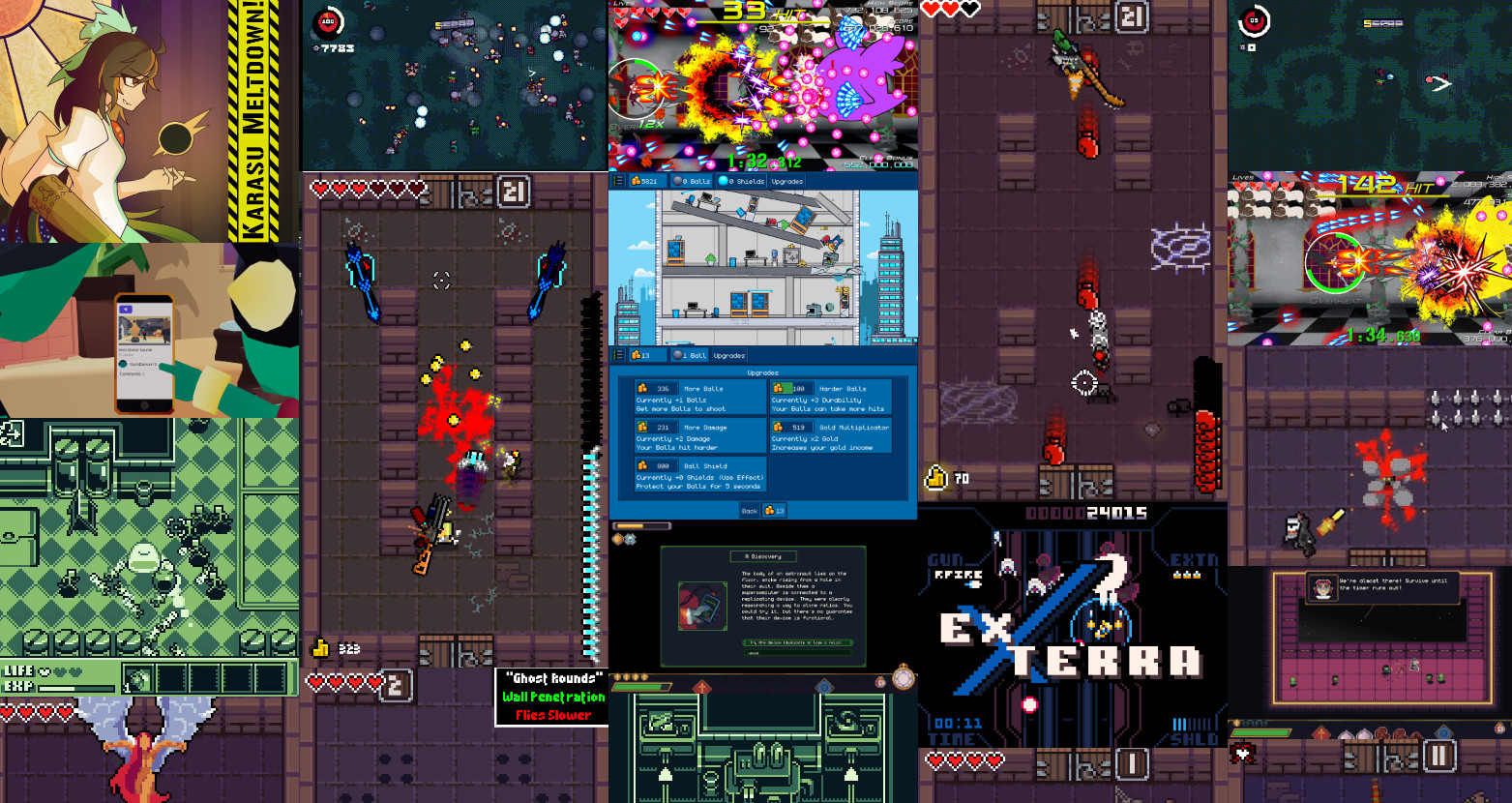
The following titles represent the current vanguard of this movement, blending genre-defining mechanics with the convenience of a web-first approach.
1. Gun Knight: Precision Roguelite Mechanics
Gun Knight stands as a testament to the depth achievable in a browser window. Players assume the role of a knight infiltrating a dungeon, armed with a core mechanic centered on "GUN MAGIC." The gameplay loop is defined by finding and equipping diverse gun parts that modify the player’s base pistol. The marriage of classic dungeon-crawling with deep, modular weapon customization, all wrapped in stylized pixel art, creates a compelling, replayable experience that functions seamlessly without a local installation.
2. Portal to the Cosmobeat: Narrative-Driven Casuals
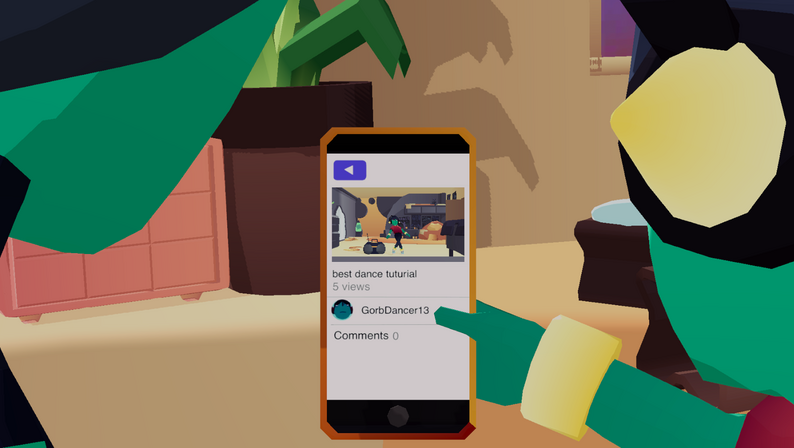
Not all action requires high-stress combat. Portal to the Cosmobeat offers a refreshing departure into the rhythm-action genre. The narrative follows Gorb, an aspiring dancer aiming for galactic stardom. While the game features 3D visuals and a lighthearted tone, it demonstrates that browser games are increasingly capable of supporting narrative-heavy, polished aesthetic experiences that were once reserved for console or desktop environments.

3. Plummet Panic: The Physics-Based Incremental
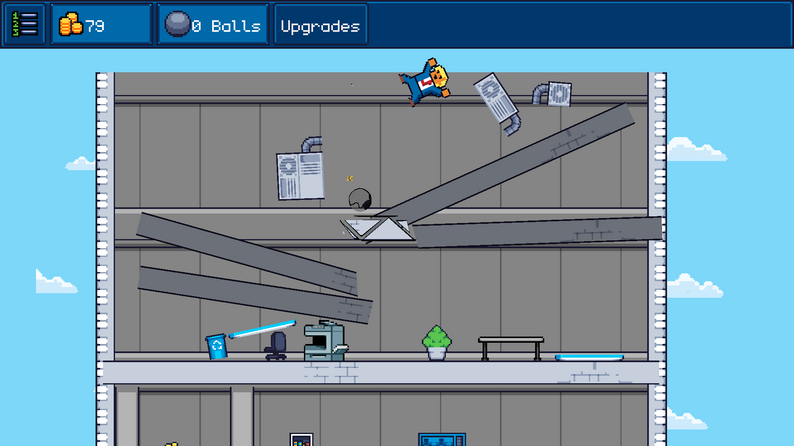
Born from the competitive pressure of the Godot Wild Jam #73, Plummet Panic is an exemplar of how game jams produce refined, addictive gameplay loops. As a physics-based race to the bottom, the game uses incremental progression—where players earn currency to upgrade their character—to keep users engaged across multiple rounds. It is a prime example of the "snackable" nature of browser gaming, where a five-day development cycle can result in a highly polished, addictive experience.
Technical Chronology: From Static Web to Dynamic Engines
To understand why these games are flourishing now, one must look at the recent history of web standards.
- Pre-2015: The era of Adobe Flash. Browser gaming was plagued by security vulnerabilities and poor performance.
- 2015–2019: The transition to HTML5 and WebGL. This allowed developers to bring GPU-accelerated graphics to the browser.
- 2020–Present: The maturation of game engines like Godot and PICO-8’s web export capabilities. Developers can now compile complex logic into a format that browsers can execute with near-native performance.
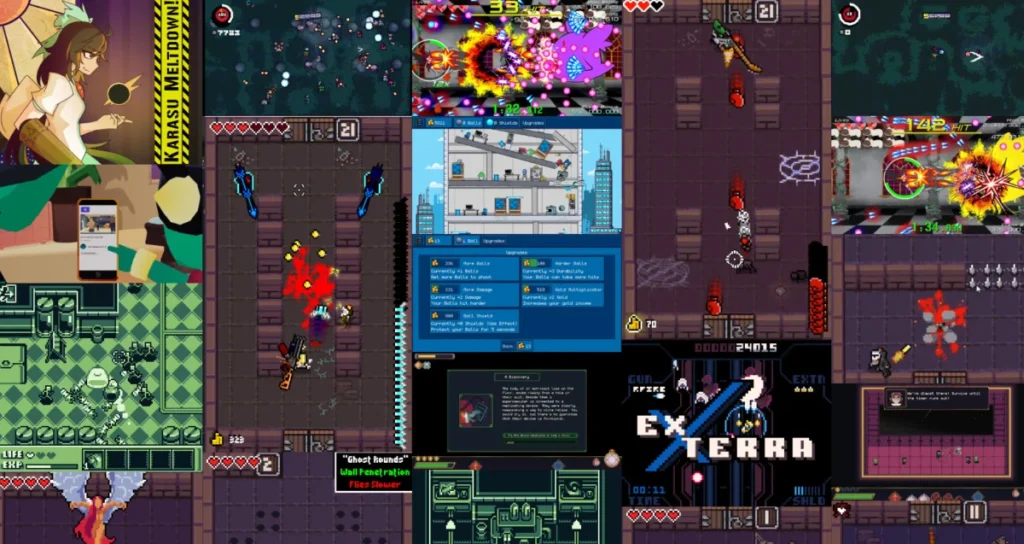
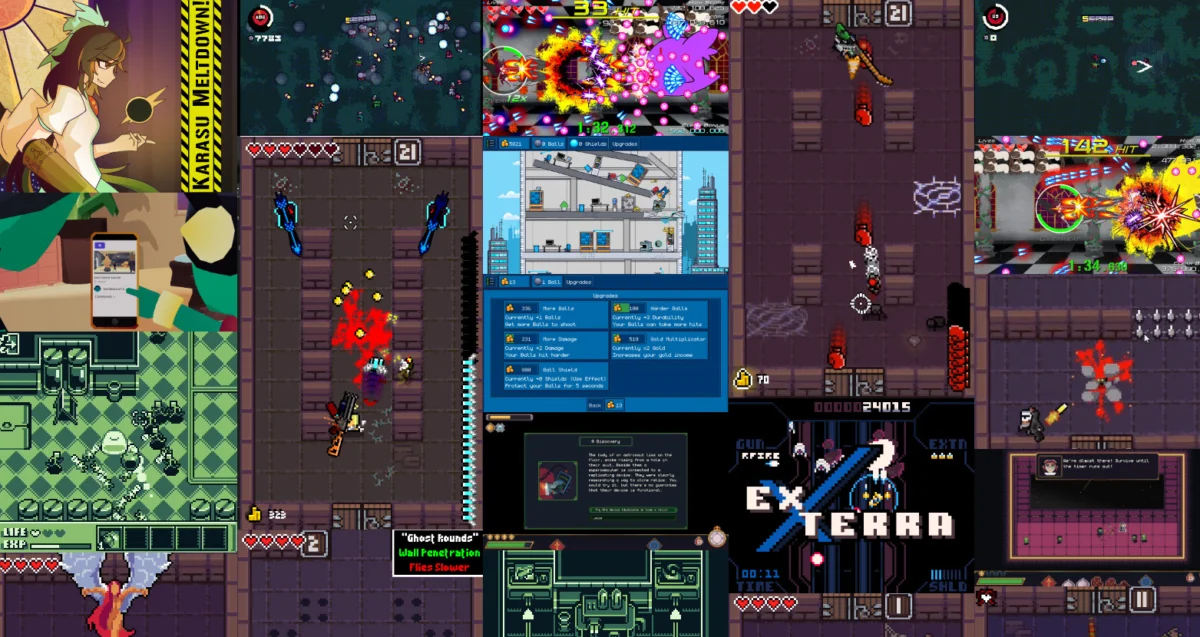
This timeline explains the surge in titles like EX TERRA and KARASU MELTDOWN!. These games utilize the PICO-8 fantasy console—a virtual machine that forces developers to work within strict constraints, resulting in highly optimized, retro-styled masterpieces that feel right at home in a browser.
Supporting Data: Why Browser Gaming is Thriving
The data from recent itch.io activity suggests a growing player preference for accessibility. According to platform metrics, "New & Popular Browser Games" consistently see a higher engagement rate per unique visitor compared to downloadable-only titles.
| Game Title | Genre | Primary Technical Feature |
|---|---|---|
| Gun Knight | Roguelite | Modular Weapon Systems |
| Plummet Panic | Physics/Incremental | Rapid Progression Loop |
| EX TERRA | Shmup | High-Score/Caravan System |
| Moon Watch | Horde Survival | Time-Stop Mechanics |
| Slime 3k: Demake | Roguelite | Retro-Engine Optimization |
These statistics reveal a critical trend: players are increasingly prioritizing the ability to "jump in" over the potential for higher graphical fidelity that requires a multi-gigabyte download.
Official Perspectives and Community Sentiment
The sentiment from the developer community, as evidenced by forum discussions and game jam feedback, highlights the importance of the browser as a democratization tool. One long-time itch.io community member noted, "There’s a wide range of stuff on itch, not only horror games, and much of it is super creative."
This creative explosion is fueled by the lack of gatekeeping. When a developer can ship a game that is instantly playable by anyone with a URL, the feedback loop from the player base to the creator becomes near-instant. This agility allows for the "demake" culture—seen in Slime 3k: Demake—where creators can experiment with established IPs or game tropes and deliver them to a global audience within hours of development.
The Implications for Future Gaming
The shift toward browser-based action games carries several significant implications for the industry at large:
The Death of the "Low-Quality" Stigma
For years, browser games were dismissed as "Flash-era junk." The current crop of games, such as Moon Watch, which introduces complex deck-building elements and time-stop mechanics into a horde-survival format, completely shatters this stigma. We are entering an era where the browser is a legitimate platform for mid-core gaming.
Competitive Integrity in the Browser
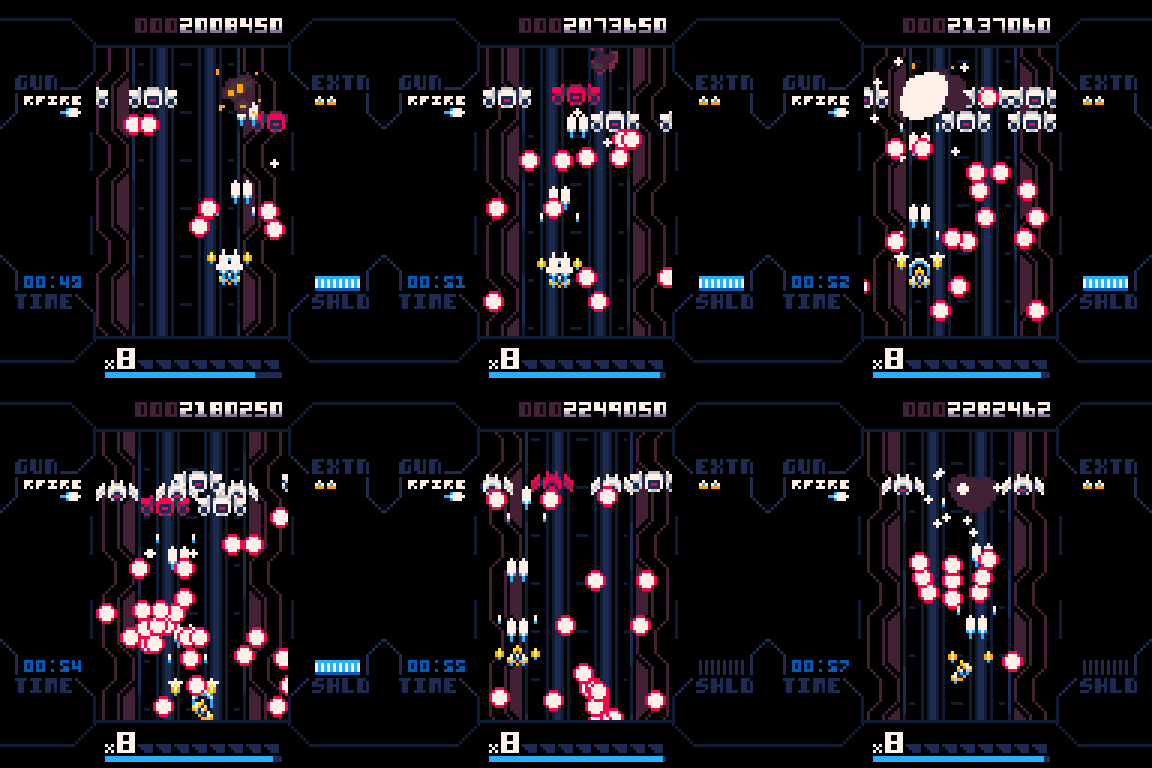
Games like EX TERRA and KARASU MELTDOWN! emphasize high scores and caravan-style play. This suggests that the browser is now stable and reliable enough to host competitive gaming experiences. As web latency continues to decrease and browser engine optimization improves, we may soon see browser-based multiplayer becoming a standard feature rather than an exception.
The Rise of "Instant-Access" Discovery
Platforms that prioritize browser-first discovery are changing how games are marketed. A developer no longer needs to sell a "download"; they are selling a "ten-second experience." If a player can play a game for thirty seconds without any friction, the likelihood of that player investing further time or money into the project increases exponentially.
Conclusion
The selection of action games currently trending on itch.io is more than just a collection of fun projects; it is a signal of a broader shift in the gaming industry. By removing the friction of installation, developers are finding new ways to reach audiences who are increasingly time-poor and platform-agnostic.
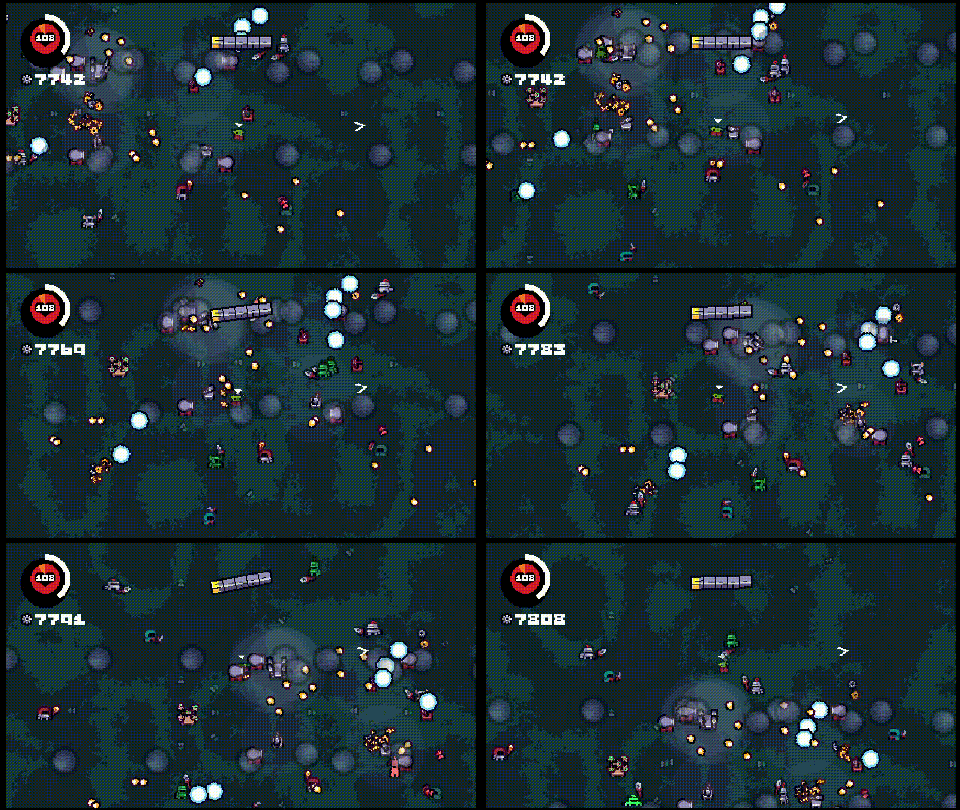
Whether it is the strategic depth of Gun Knight, the rhythm-based charm of Portal to the Cosmobeat, or the intense bullet-hell mechanics of KARASU MELTDOWN!, these games demonstrate that the future of action gaming may not lie in massive, pre-installed files, but in the browser tab you currently have open. As we look toward the future, the integration of more sophisticated engines and the continued optimization of the mobile web browser will likely cement "instant-play" as the dominant mode of discovery for independent gaming.
The message for the industry is clear: the faster the player can reach the action, the more vibrant the community becomes. For the gamer, it means the next great gaming experience is likely only a click away.