Itch.io Announces Creator Day: A Deep Dive into the Platform’s Commitment to Independent Development
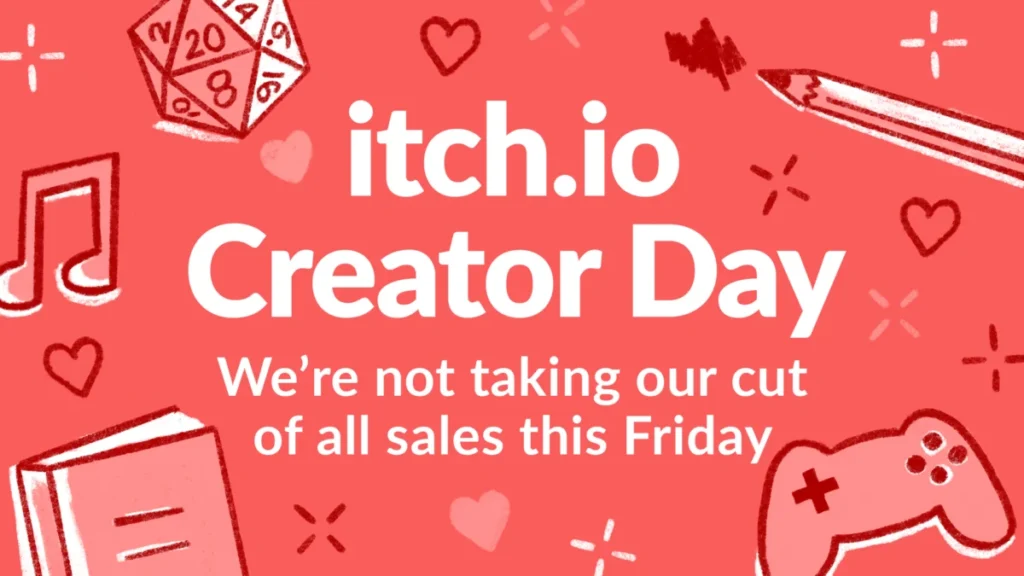
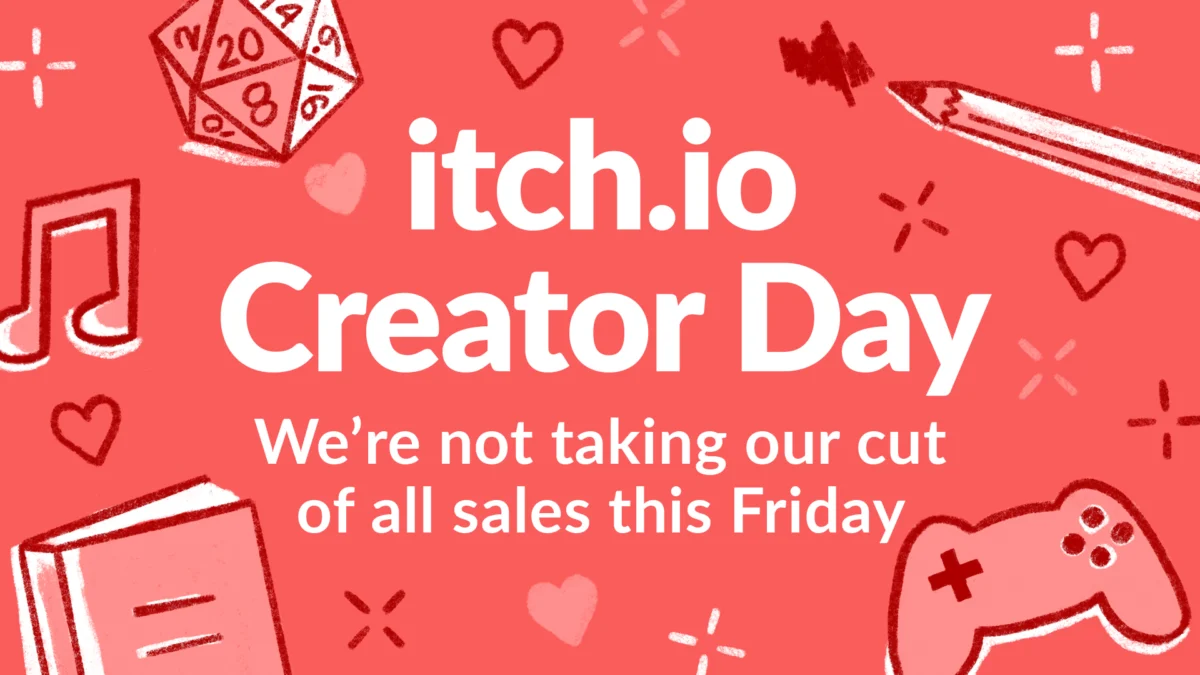
As the retail world prepares for the annual frenzy of Black Friday, a distinct movement is taking place within the digital landscape of independent gaming. The platform itch.io has officially announced that this coming Friday, November 24th, will serve as their latest "Creator Day." During this 24-hour window, the platform will waive its revenue share entirely, ensuring that 100% of proceeds from sales go directly into the pockets of the developers, artists, and writers who build the ecosystem.
This initiative arrives at a critical juncture for the independent development community, offering a stark contrast to the aggressive, corporate-driven consumerism typically associated with the post-Thanksgiving weekend.
Main Facts: The Logistics of Creator Day
The itch.io Creator Day is a strategic initiative designed to empower independent creators by maximizing their earnings during one of the highest-traffic periods of the retail calendar. The event is defined by two distinct timelines that users should note:
- The Revenue-Share Waiver: Starting at midnight Pacific Time on Friday, November 24th, and concluding at 11:59 PM PT that same day, itch.io will take zero percent of any sales processed through the platform.
- The Discount Period: While the revenue-share waiver is strictly limited to the 24 hours of Friday, the site-wide sales event will extend significantly longer. Discounts on hundreds of games, tabletop RPGs, assets, and digital books will remain active until midnight on Tuesday, November 28th.
This bifurcation of timing serves a dual purpose: it encourages consumers to make their purchases on Friday to maximize the direct financial benefit to creators, while simultaneously allowing for a more relaxed shopping experience that spans the entire holiday weekend.
Chronology: From Niche Marketplace to Industry Staple
To understand the significance of this Creator Day, one must look at the evolution of itch.io. Founded in 2013 by Leaf Corcoran, the platform was initially a modest site for small-scale developers to host games. Over the last decade, it has matured into a powerhouse of the indie scene, hosting over 800,000 games and projects.
The concept of "Creator Day" began as a response to the economic instability faced by indie developers, particularly during the onset of the global pandemic. In 2020, as many storefronts struggled to support the influx of traffic and the financial strain on small studios, itch.io began experimenting with days where they would waive their fees. These events were met with overwhelming support from the community, leading to the formalized, recurring schedule seen today.
The current iteration of the event reflects a refined understanding of the modern digital marketplace. By aligning the event with Black Friday, itch.io is not only capitalizing on existing consumer behavior but also subtly redirecting a portion of that spending power toward creators who often operate on razor-thin margins.
Supporting Data: Why Direct Support Matters
The financial ecosystem of indie gaming is precarious. Unlike AAA titles backed by massive marketing budgets and publisher stability, independent developers often rely on a "long tail" of sales or short-term bursts of revenue to fund their next projects.
According to industry analysts, the average indie developer earns less than $5,000 per year from their game development efforts. While platforms like Steam remain dominant in terms of raw reach, their revenue splits (typically 70/30) can be prohibitive for solo developers. By waiving their own fee during Creator Day, itch.io effectively increases the net revenue for developers by roughly 30% on those specific sales.
Furthermore, the diversity of the itch.io catalog—which includes not just software, but assets for game engines like Unity and Godot, tabletop rulebooks, and digital art—means that the impact of this event is felt across a broad spectrum of the creative industry. For an asset creator, a successful weekend on itch.io can mean the difference between maintaining a hobby and sustaining a professional creative career.
Official Responses and Community Sentiment
While itch.io’s official communications remain concise and focused on the "thank you" aspect of their relationship with creators, the sentiment from the developer community is palpable.
In past events, developers have utilized social media channels like X (formerly Twitter) and Mastodon to coordinate their own sales. This peer-to-peer marketing strategy is a hallmark of the itch.io experience. Unlike other digital storefronts that rely on algorithms to push content, the itch.io community relies heavily on word-of-mouth, community-curated bundles, and direct developer-to-player communication.
"It’s not just about the money," one prominent indie developer noted in a community forum. "It’s about the visibility that the platform provides during these high-traffic windows. When itch.io highlights these events, it creates a sense of solidarity. Players aren’t just buying games; they are participating in a movement to keep independent voices alive."
The platform itself has maintained a stance of humility. By framing these days as a gesture of gratitude ("Thank you for supporting creators!"), itch.io distinguishes itself from corporate entities that utilize sales events primarily for user acquisition.
Implications: The Future of the Indie Storefront
The success of the itch.io Creator Day model raises important questions about the future of digital storefronts. As platforms like Epic Games Store, Steam, and GOG continue to compete for market share, the value proposition of a storefront is shifting.
- Community-Centric Growth: itch.io has proven that a platform can thrive by fostering a sense of community rather than just acting as a middleman. By aligning their business goals with the success of their users, they have built a level of brand loyalty that is difficult for larger, more impersonal stores to replicate.
- The Ethics of Consumption: The "Black Friday" retail event has often been criticized for its environmental impact and its pressure on retail workers. By participating in a "Creator Day," itch.io provides an ethical alternative—a way to consume that feels productive and supportive rather than extractive.
- Sustainability in Development: The long-term implication for the industry is the potential for increased sustainability. If these periodic "revenue-waiver" days become a standard industry practice, it could provide the necessary cash flow for small studios to hire contractors, upgrade equipment, or simply dedicate more time to polish their projects, ultimately leading to a more vibrant and diverse gaming landscape.
Conclusion: A Call to Action for Players
As Friday approaches, the opportunity for players to make a tangible difference in the lives of developers is clear. Whether you are a fan of complex tabletop roleplaying games, a user of digital assets, or a player looking for the next innovative indie gem, the itch.io Creator Day offers an unparalleled opportunity to ensure your money goes exactly where it is needed most.
The platform has provided the infrastructure; the creators have provided the content. Now, the responsibility lies with the consumer. By choosing to shop on itch.io this Friday, players are doing more than just purchasing a digital product—they are casting a vote for a more equitable and supportive future for independent game development.
The event runs from 12:00 AM PT on November 24th until 11:59 PM PT, with discounts continuing until the following Tuesday. It is a small window of time, but for the hundreds of developers who rely on the platform, it is one of the most important days of the year. Support the creators, explore the vast library of indie talent, and participate in a movement that celebrates the art of making games.