The Quiet Crisis: Jellyfin Faces Leadership Shakeup Amidst Open-Source Burnout
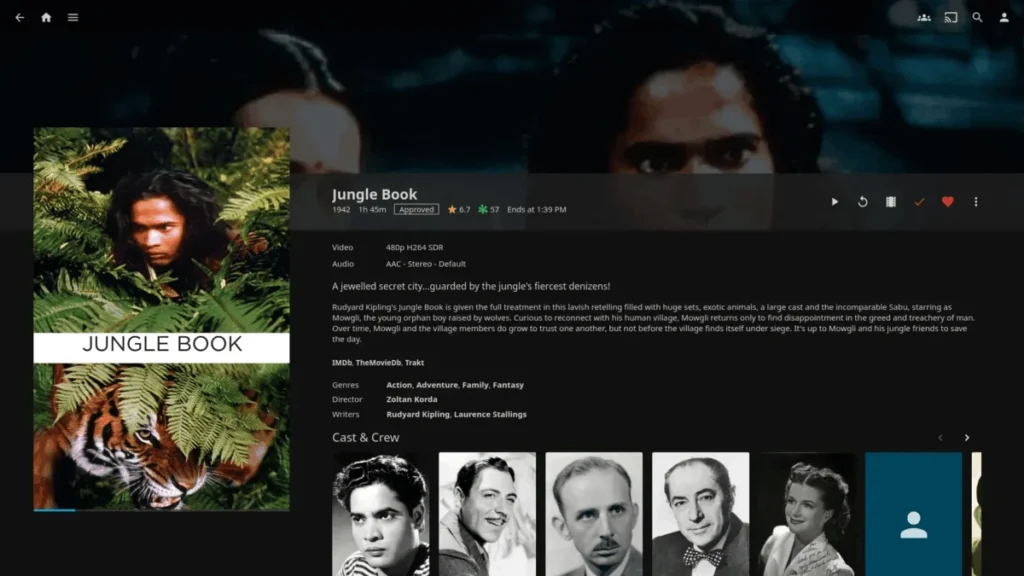
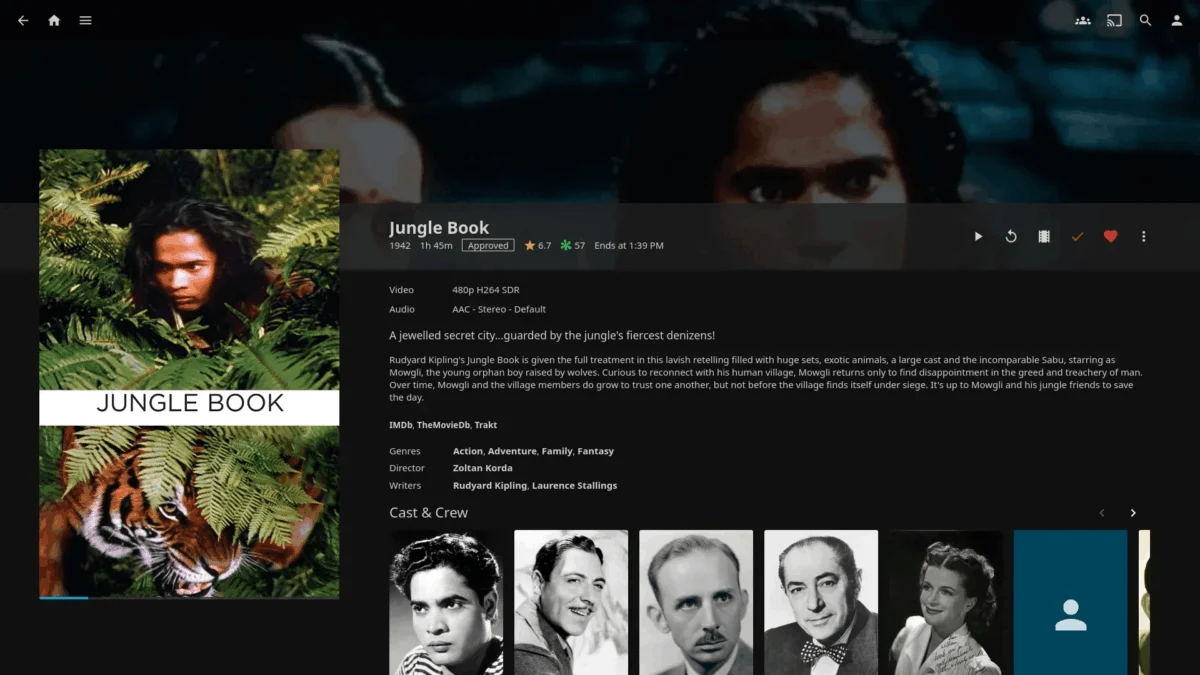
The landscape of open-source media management is undergoing a significant transformation. Jellyfin, the community-driven, privacy-focused alternative to proprietary giants like Plex, is currently navigating a major organizational transition. Following a string of departures from its founding and core leadership, the project is forced to confront the harsh realities of sustainable development in the modern era.
While the project remains stable, the recent exit of key figures—including founder Joshua Boniface, co-founder Andrew Rabert, and long-time core member Anthony Lavado—has prompted a broader conversation regarding the mental health, resource allocation, and long-term viability of volunteer-run software projects.
The Chronology of Departure
The news of the leadership shuffle broke via a formal announcement on the Jellyfin community forums. Joshua Boniface, the project’s lead, confirmed he would be stepping down from his role, marking the end of a foundational era for the software. His departure closely followed the announcement by co-founder Andrew Rabert, who opted to leave the organization voluntarily.
The timeline of these exits suggests a cascading effect, though one rooted in different individual circumstances:

- Andrew Rabert: The first of the three to announce his departure, Rabert’s exit was linked to friction regarding the development direction of a new desktop client. In a public GitHub issue, Rabert revealed that his attempts to rewrite the desktop client, initiated in December 2025, met with significant resistance from other members of the organization. This creative and procedural friction ultimately led to his withdrawal from the project.
- Joshua Boniface: Following Rabert, Boniface announced his departure as Project Leader. Unlike the friction-heavy exit of his co-founder, Boniface framed his departure as a necessary step for his own well-being. He cited a lack of remaining capacity—both in terms of time and mental energy—to continue providing the leadership the project demands.
- Anthony Lavado: Rounding out the trio, Lavado announced his intent to step down as a core team member. His situation differs; he noted that his contributions have shifted away from active coding toward backend administrative tasks like App Store management. Changes in his personal life have made it impossible for him to dedicate the necessary time to the role, though he has pledged to remain through the transition period for up to a year to ensure continuity.
A Closer Look at the "Burnout" Phenomenon
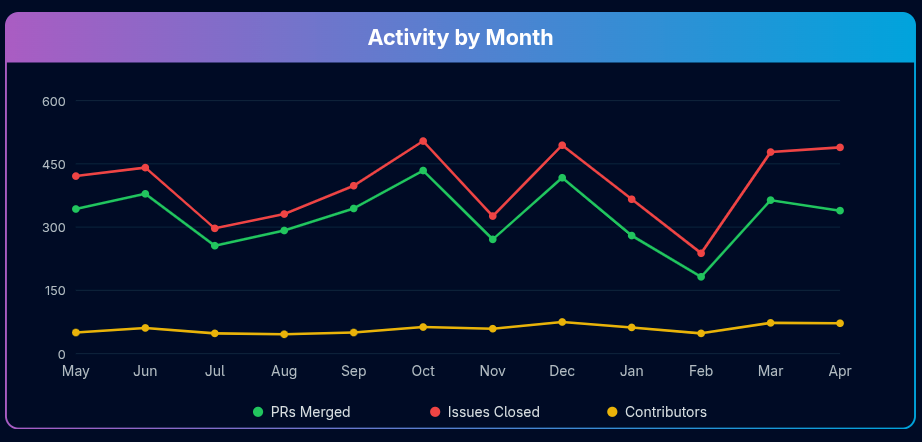
To understand why a project as successful as Jellyfin is losing its top brass, one must look at the "State of the Fin" report published in May 2026. At that time, the project appeared to be in a state of robust health, with activity graphs showing hundreds of Pull Requests (PRs) merged and issues closed each month.
However, beneath the surface of these impressive metrics lay a burgeoning crisis. The same report that highlighted the project’s productivity also introduced a new "LLM and AI Policy." This policy was a direct response to the flood of AI-generated code submissions that had recently overwhelmed the team’s bandwidth.
The report explicitly featured a section titled "Burnout / Remember the Person," which highlighted that the sheer volume of support demands, coupled with the exhaustive manual labor required to review and verify AI-authored code, had pushed the staff to their breaking point.
The Hidden Cost of Contribution
For many maintainers, the appeal of open source is the creation of software for the public good. Yet, as projects like Jellyfin grow in popularity, the role of a maintainer often shifts from "developer" to "manager of human dynamics." The burden of responding to users, triaging bugs, enforcing code quality, and managing interpersonal conflict creates a "second job" that is often unpaid and under-appreciated.

When these pressures are compounded by personal life changes or ideological disagreements—as seen in the case of Andrew Rabert—the result is often a total loss of motivation. The departures at Jellyfin serve as a poignant case study: high productivity is not synonymous with long-term sustainability.
Official Responses and Organizational Outlook
Despite the optics of a "mass exodus," the tone remains remarkably professional and collaborative. Both Boniface and Lavado have gone on record to describe their departures as amicable. Crucially, they have dismissed fears of a "hostile fork," a scenario where the project splits into two competing versions due to irreconcilable differences.
The leadership has emphasized that the day-to-day operations are already being handled by a wider group of contributors who have been managing their respective areas of the project for years. The structure of Jellyfin, by design, is decentralized, which acts as a buffer against the loss of any single individual, regardless of their status as a founder.
In his exit post, Boniface emphasized that the project has reached a level of maturity where the departure of a lead is a sign of evolution rather than collapse. "The project is larger than any one person," he noted, echoing a sentiment held by the remaining team members who are now moving to redistribute the administrative workload.
Implications for the Open-Source Ecosystem
The Jellyfin situation is far from an isolated incident. It highlights a structural issue in the open-source software (OSS) movement: the "Maintainer’s Dilemma."
1. The AI Burden
As the industry leans harder into generative AI for code production, the burden of maintenance will fall disproportionately on open-source maintainers. They are tasked with auditing code they did not write, often created by tools that lack context of the specific project’s architecture. This increases the "review debt" and accelerates burnout.
2. The Professionalization Paradox
Projects like Jellyfin are free for the end-user, but they are not free to build. As they become essential infrastructure for millions of users, the expectations for support, security updates, and feature parity with commercial competitors (like Plex) increase. When these expectations aren’t met with corresponding funding or professional support, volunteers feel the strain of professional-level work without the professional-level resources.
3. The Need for Succession Planning
Jellyfin is fortunate to have a deep bench of contributors who are willing to step into the vacuum left by the founders. However, many smaller OSS projects lack this luxury. The industry must prioritize better governance models, where leadership roles are rotated or shared, and where burnout is treated as a systemic risk rather than a personal failing.
What Lies Ahead for Jellyfin?
Jellyfin remains one of the most vital projects in the home media space. Its commitment to being truly open source—without the "freemium" barriers of its competitors—ensures it retains a fiercely loyal user base.
The transition period, which may last up to a year, is a critical test for the organization. If the remaining team can successfully decentralize the decision-making processes that were previously concentrated in the hands of the founders, Jellyfin will likely emerge stronger and more resilient.
However, if the project cannot find a way to mitigate the review burden—perhaps by adopting stricter contribution policies or securing sustainable funding to hire dedicated maintainers—the risk of further attrition remains high.
For the end-user, the immediate future looks stable. The software continues to receive updates, and the community-driven nature of the project ensures that as long as there is demand for a privacy-focused, local media server, there will be developers willing to build it.

Conclusion
The departure of Jellyfin’s key leadership is not necessarily the beginning of the end, but it is certainly the end of the beginning. It marks a transition from a founder-led "garage project" to a mature, community-governed entity.
The story of Joshua Boniface, Andrew Rabert, and Anthony Lavado is a sobering reminder that the software we take for granted is built on the finite time and limited mental energy of human beings. As the community moves forward, the focus must shift from simply maintaining the code to maintaining the people who write it. If the open-source community is to thrive, it must learn to value the health of its maintainers as much as the features of its software.
For those who rely on Jellyfin, this is a time to support the project—not just by using it, but by recognizing the incredible, often invisible, labor that has kept this powerhouse of media management running for all these years.