
OpenSUSE Leap 16.1: A Paradigm Shift Toward Unified Immutable Infrastructure
The landscape of Linux distribution management is undergoing a significant transformation. With the release candidate (RC) of openSUSE Leap 16.1, the project has announced a strategic pivot that effectively streamlines its product portfolio. By integrating immutable infrastructure directly into the main Leap installer, the openSUSE community is signaling an end to the era of fragmented deployment models, choosing instead a unified, flexible, and robust path forward.
Main Facts: The Integration of Immutability
For years, openSUSE has maintained a diverse ecosystem designed to serve everyone from desktop enthusiasts to enterprise sysadmins. This lineup included the stable Leap, the rolling Tumbleweed, the immutable MicroOS, and the fixed-release immutable variant, Leap Micro.
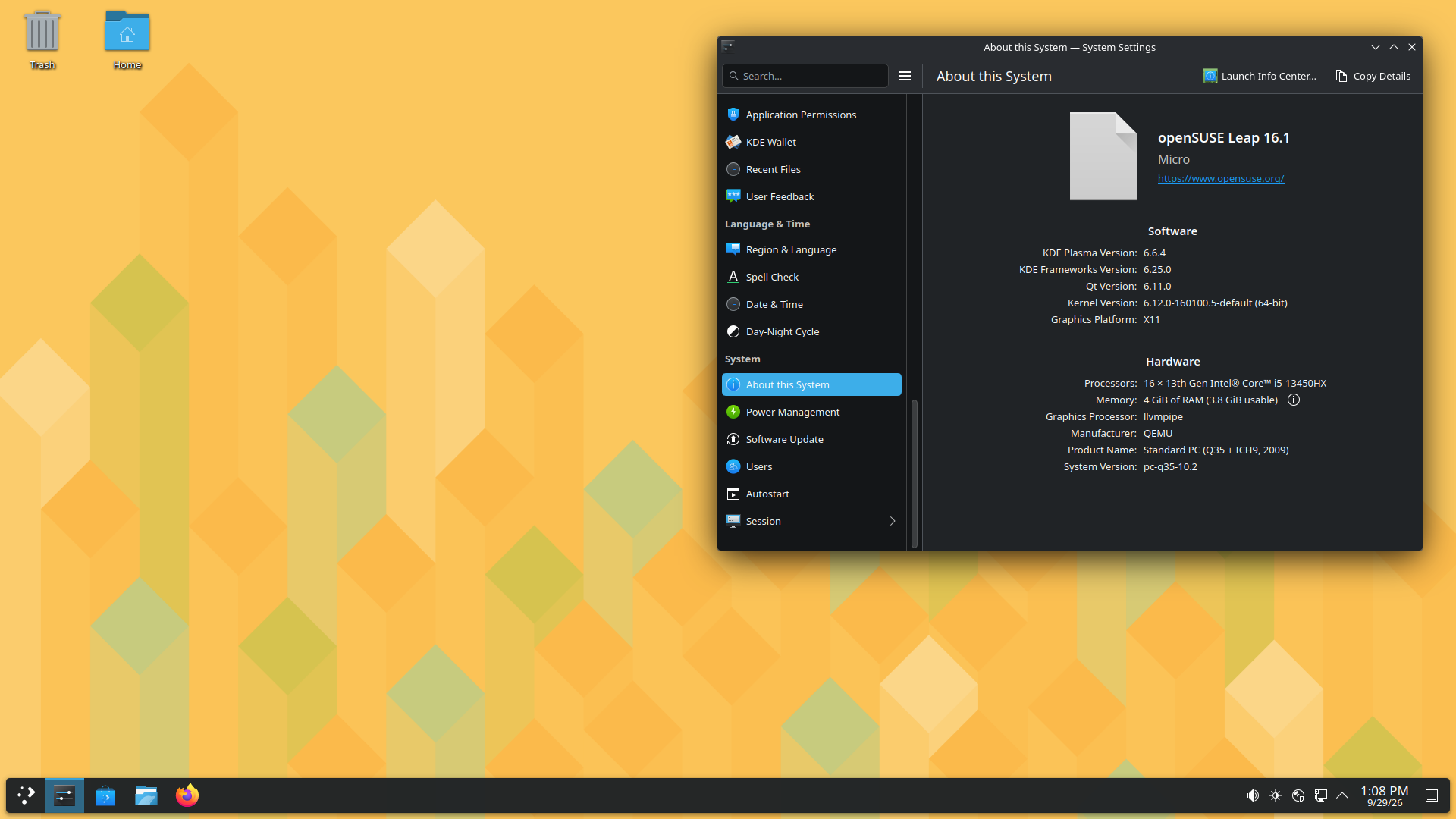
The primary announcement accompanying the Leap 16.1 release is the consolidation of these efforts. Leap Micro—previously a standalone product designed for edge devices, container hosts, and virtual machines—is being phased out as a separate entity. Instead, its core philosophy and technical architecture have been absorbed into the main Leap distribution.
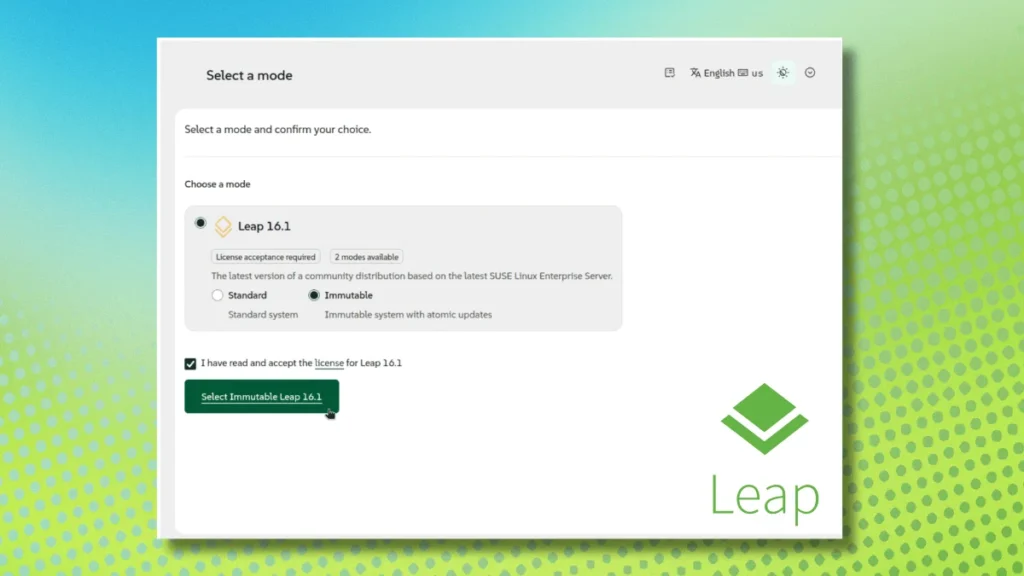
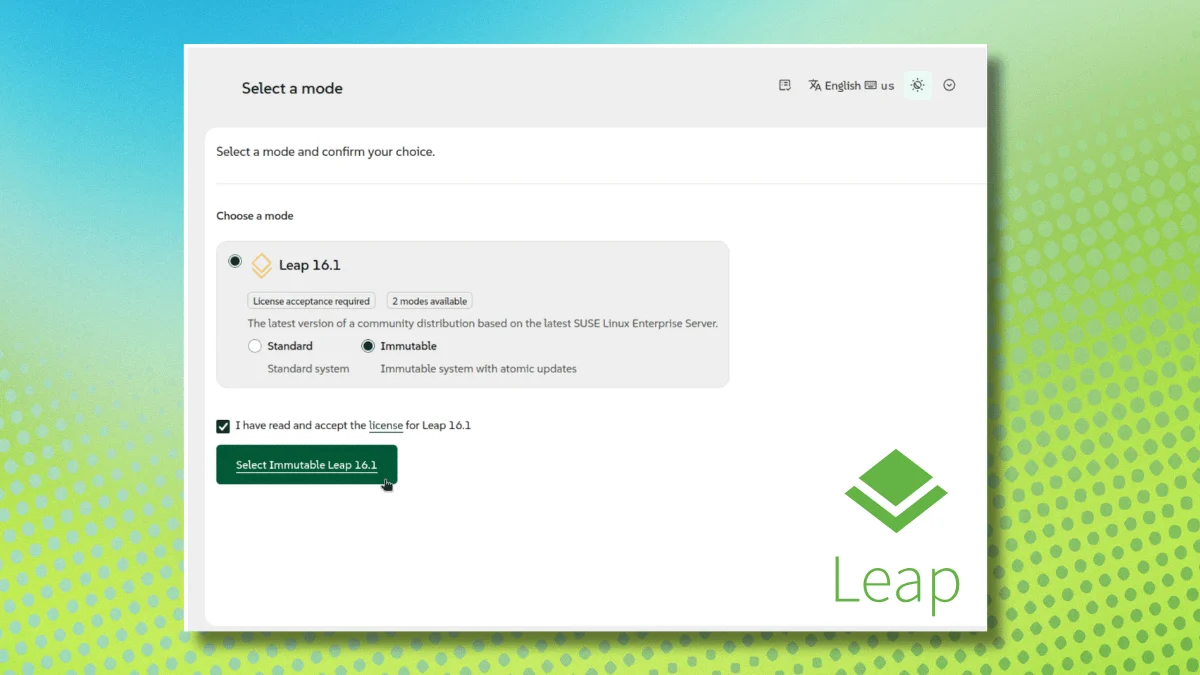
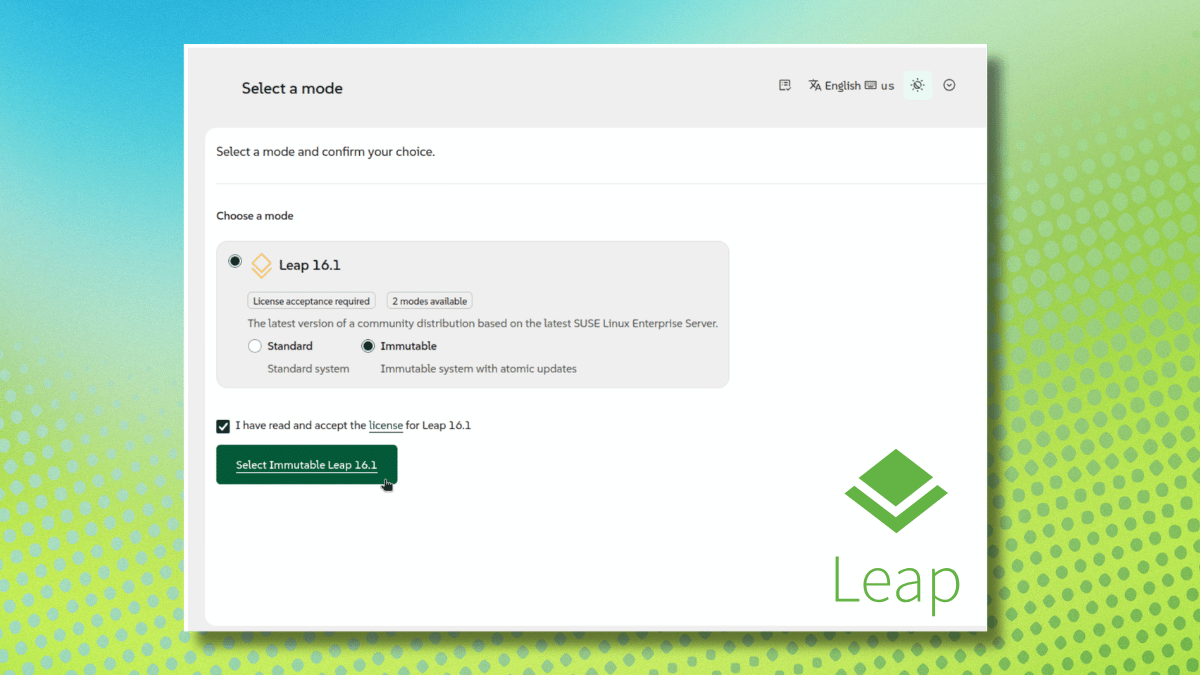
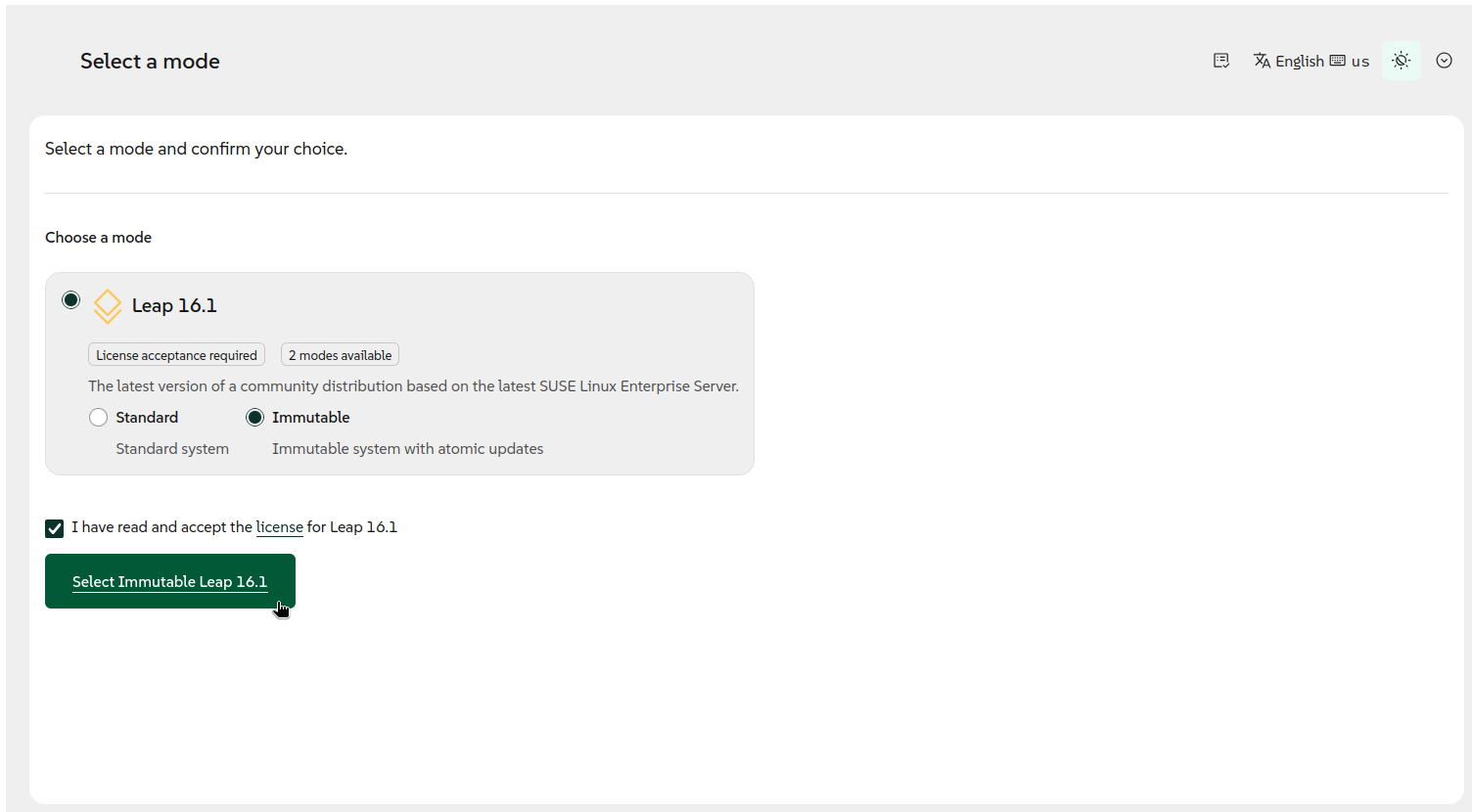
During the installation process, powered by the modern Agama installer, users are now presented with a critical choice: the "Standard" mode or the new "Immutable" mode. By selecting the latter, users enable a read-only root filesystem, transactional updates, and robust snapshot-based rollbacks. This integration ensures that the benefits of an immutable OS—security, predictability, and atomic upgrades—are no longer sequestered within a niche product but are now a first-class citizen of the mainstream Leap experience.
A Chronology of Evolution: From MicroOS to Leap 16.1
The journey toward this consolidation did not happen overnight. It is the culmination of years of technical refinement within the openSUSE ecosystem.
- The Rise of Immutability: The project first introduced MicroOS as a way to experiment with the Btrfs filesystem’s snapshot capabilities. It demonstrated that by making the root filesystem read-only, one could minimize "configuration drift" and eliminate the common fear of a broken system following a package update.
- The Leap Micro Branch: As enterprise demand for containerized, immutable workloads grew, the project branched off Leap Micro. This allowed the team to provide a fixed-release cycle similar to the standard Leap, but with the atomic update guarantees required for edge deployments and server-side container orchestration.
- The Agama Revolution: The introduction of the Agama installer was the catalyst for the current integration. Unlike traditional installers, Agama was designed to be modular and web-based, providing a framework that could easily handle complex configuration profiles.
- The Leap 16.1 Milestone: Announced in September 2026, the transition reaches its climax. The decision to retire Leap Micro 6.3 and 7.0 in favor of the "Immutable" mode in Leap 16.1 marks the formal unification of the distribution’s strategy.
Supporting Data: Why Immutability Matters
The shift toward an immutable root filesystem is not merely a stylistic change; it is a response to the increasing complexity of modern computing environments.
The Transactional Update Mechanism
The cornerstone of this new mode is the transactional-update tool. In a traditional Linux environment, package managers modify the system state in real-time. If a dependency conflict occurs or a post-install script fails, the system can be left in an inconsistent state.
In Leap 16.1’s immutable mode, updates are applied to a new, cloned snapshot of the root filesystem. The user can continue their work while the update process occurs in the background. Only upon a reboot does the system switch to the new, updated snapshot. If an error is detected or the system fails to boot, the Btrfs-backed system allows for an instant rollback to the previous, known-good snapshot.

Software Ecosystem Support
The project has carefully considered how users will interact with an immutable system where they cannot simply zypper install applications into the root. The strategy relies on three pillars:
- Podman: For containerized workloads, ensuring that server-side applications remain isolated from the host OS.
- Distrobox: A powerful tool that allows users to run any Linux distribution inside a container while seamlessly integrating with the host, effectively solving the "I need a specific library" problem without breaking the host’s immutability.
- Flatpak: For desktop users, providing a sandbox for applications that keeps the core system clean and stable.
Official Responses and Strategic Implications
The openSUSE project management has been clear regarding the motivation for this change: efficiency and maintainability. By folding Leap Micro into Leap, the engineering team reduces the burden of maintaining two separate repositories and sets of images.
The Death of "Product Fragmentation"
There will be no Leap Micro 6.3 or 7.0. For existing users of Leap Micro 6.2, the project has provided an experimental migration tool. This transition path is designed to ease the movement of workloads from the standalone Micro product into the new Leap Immutable environment. The message to the community is clear: if you need the stability of Leap, you now have the power of immutability at your fingertips without needing to download a different ISO.
Desktop Upgrades
While the infrastructure changes dominate the news, Leap 16.1 is a significant desktop release as well. The inclusion of KDE Plasma 6.6 brings a host of accessibility features and enhanced optical character recognition (OCR) capabilities in the Spectacle screenshot tool. Furthermore, GNOME 48 makes its debut, bringing native HDR support—a long-awaited feature for modern monitor users. The project’s decision to stage the GNOME upgrade—focusing on stability through incremental updates rather than massive, disruptive jumps—reflects the conservative, reliability-first approach that defines the Leap brand.
Future Implications for the Linux Ecosystem
The integration of immutable modes into mainstream, enterprise-grade distributions like Leap 16.1 has broad implications for the wider Linux ecosystem.
Bridging the Gap Between Server and Desktop
Historically, "immutable" was a buzzword reserved for specialized server distros (like Fedora CoreOS or Flatcar). By bringing this to Leap, openSUSE is proving that immutability is ready for the general-purpose desktop. It offers a level of resilience that could drastically reduce the support burden for IT departments managing fleets of workstations.
The Standardization of Linux Deployment
As more distributions look toward immutable architectures, we are seeing a convergence in how Linux is installed and managed. The "Agama" approach of a web-based, modular installer that can toggle between a traditional mutable system and an immutable, snapshot-driven one may well become the industry standard.
The Path to Release
As of now, the project is moving through its Release Candidate phase. With one RC build released weekly, the project is adhering to a disciplined schedule to reach Gold Master Candidate (GMC) status. Users can access images for a wide array of architectures, including x86_64, aarch64, ppc64le, and s390x, ensuring that the new, unified Leap remains accessible across the diverse hardware spectrum that openSUSE has historically supported.
Conclusion
The evolution of openSUSE Leap 16.1 is a masterclass in how an open-source project can pivot its strategy to meet the demands of modern computing. By eliminating the artificial wall between standard fixed-release systems and immutable, atomic-update systems, openSUSE is not only simplifying its own maintenance but is also providing a more robust, user-friendly, and secure experience for its global community.
Whether you are an enterprise administrator managing a massive server deployment or a home user looking for a system that "just works" and is easy to recover, the integration of an immutable mode into Leap 16.1 offers a compelling future. The project has demonstrated that stability does not have to come at the cost of innovation, and with this release, openSUSE remains at the forefront of the Linux distribution world, guiding the industry toward a more resilient and manageable future.








