Power to the User: itch.io Overhauls Desktop Experience with Major App Update
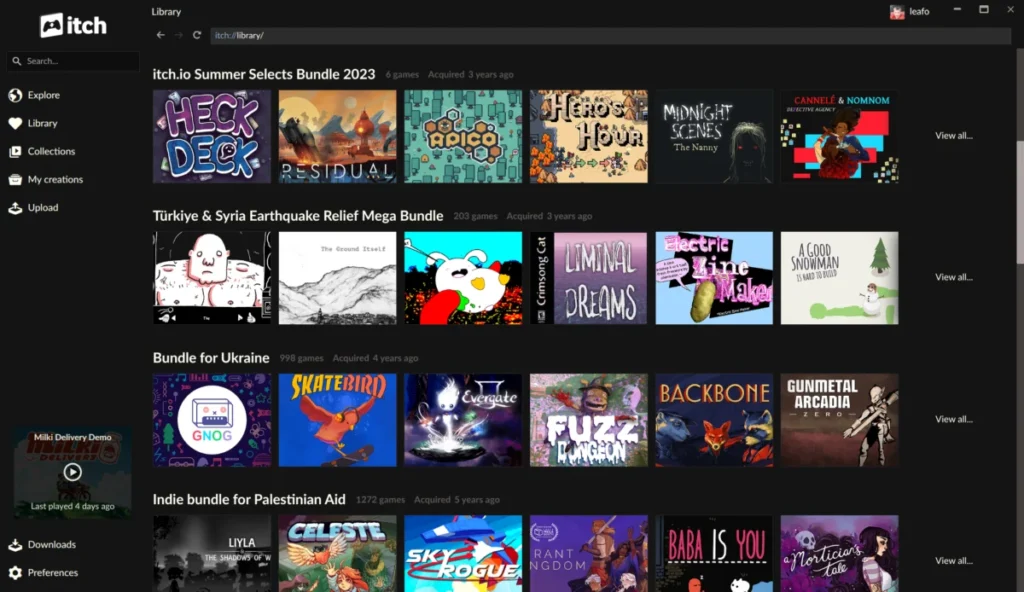
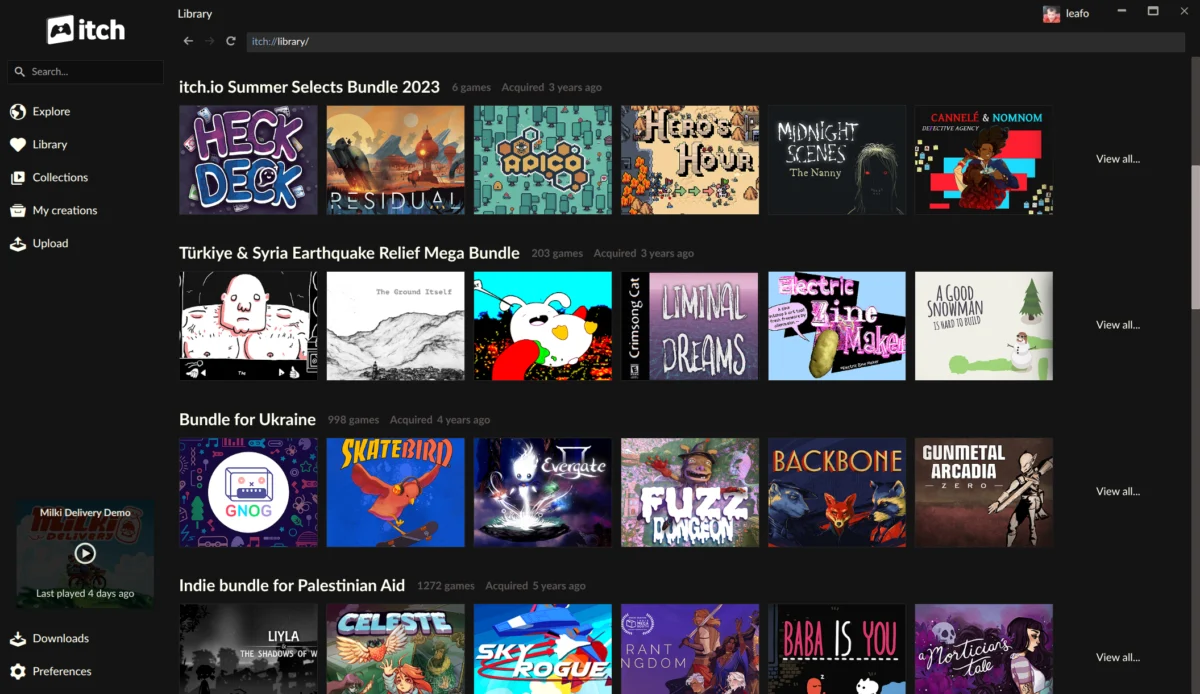
In a significant stride toward improving digital distribution accessibility, the team at itch.io has rolled out a series of substantial updates to their desktop application. The latest versions, v26.15.0 and v26.17.0, address long-standing community feedback, focusing on library management, granular control over game execution, and improved navigation. These updates signal a maturing platform that prioritizes user agency, particularly for those who have amassed large collections through the site’s iconic charity bundles.
Main Facts: A New Era for the itch.io Desktop App
The core of the recent updates centers on making the desktop experience feel as robust and comprehensive as the web-based store. By integrating native support for "bundles"—a feature previously difficult to manage within the app—itch.io is simplifying the way users interact with their libraries.
Key updates include:
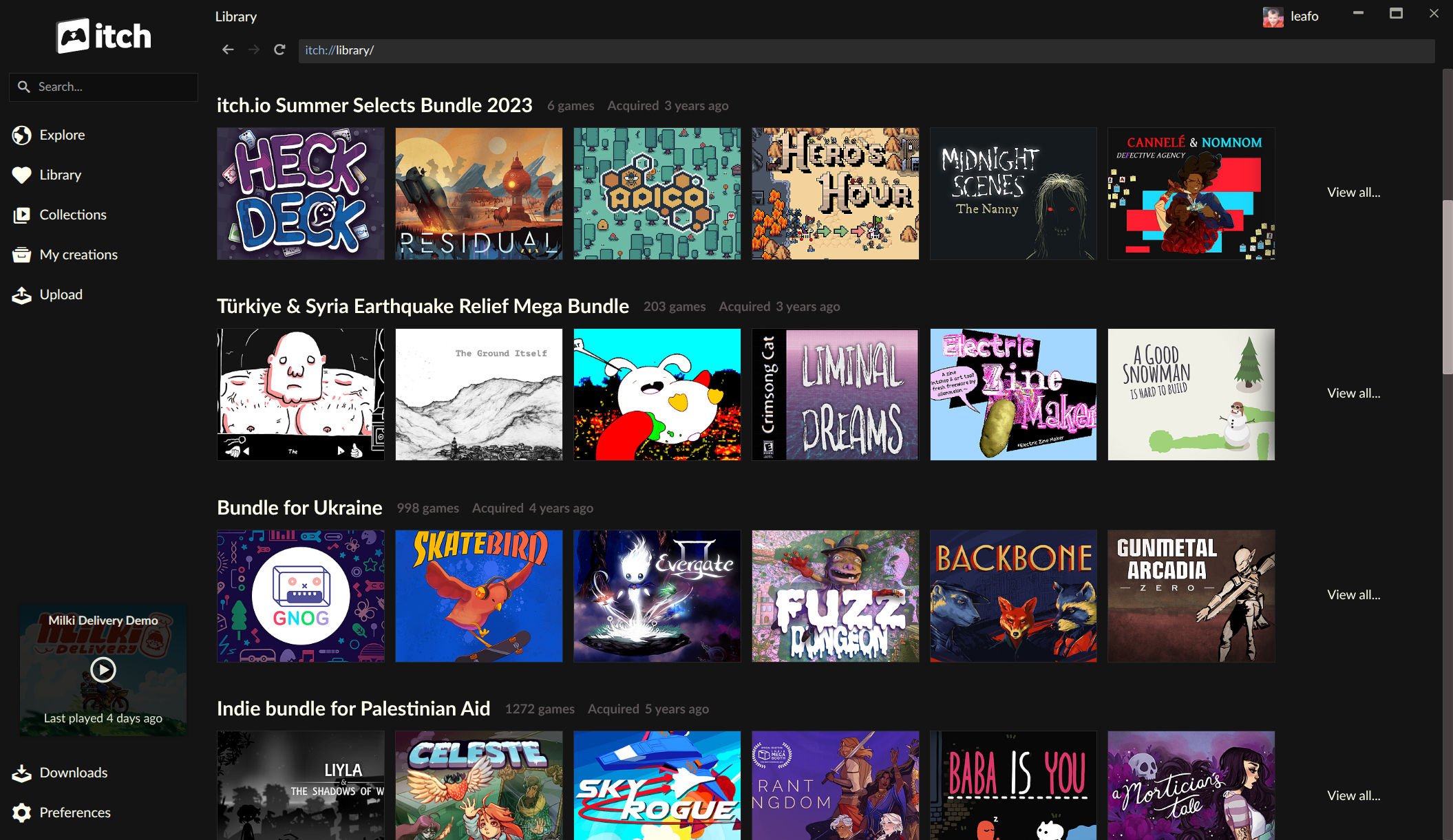
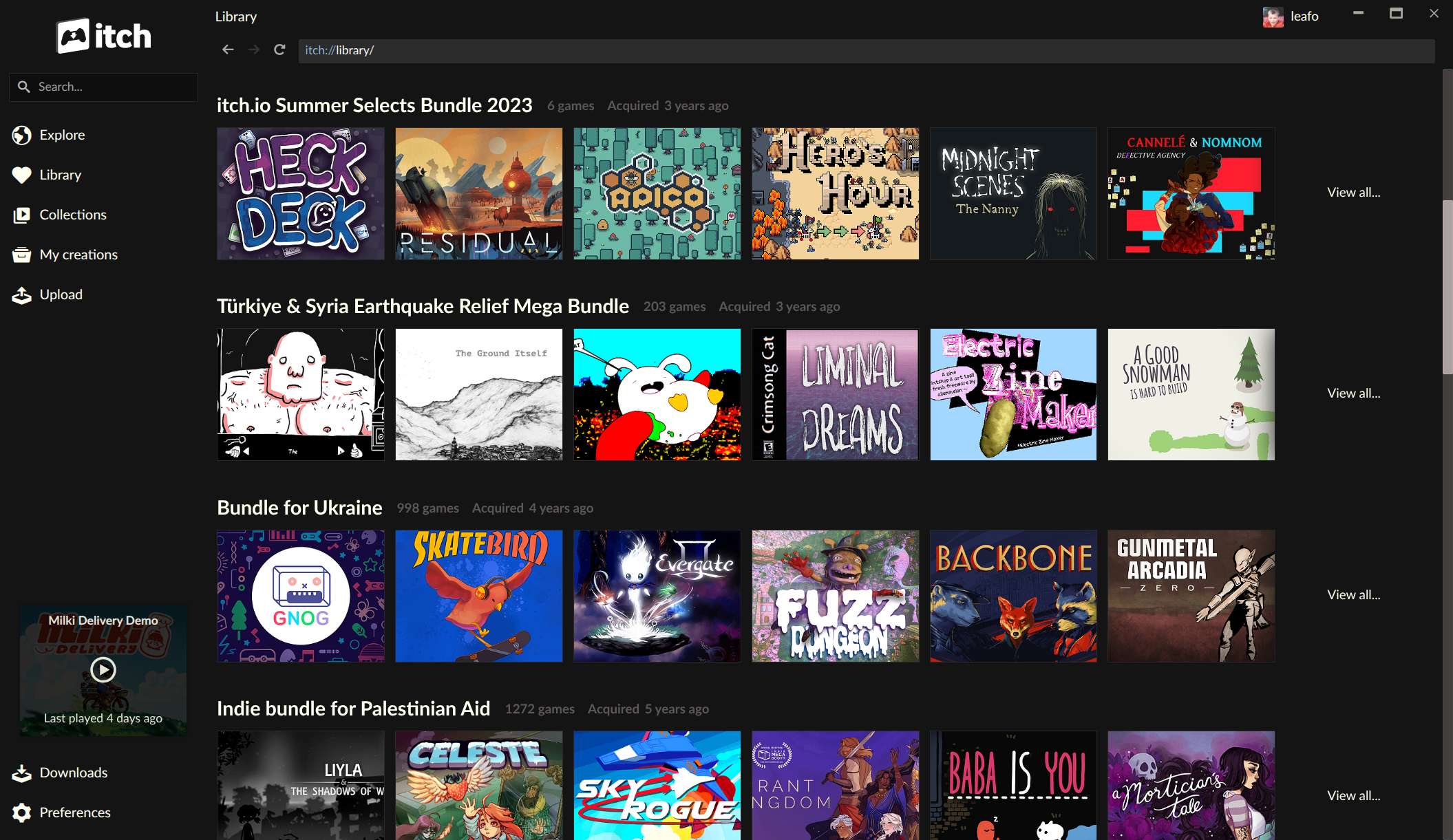
- Integrated Bundle Management: Bundles now appear as distinct entities in the library, allowing users to browse, search, and install games directly from a dedicated bundle page.
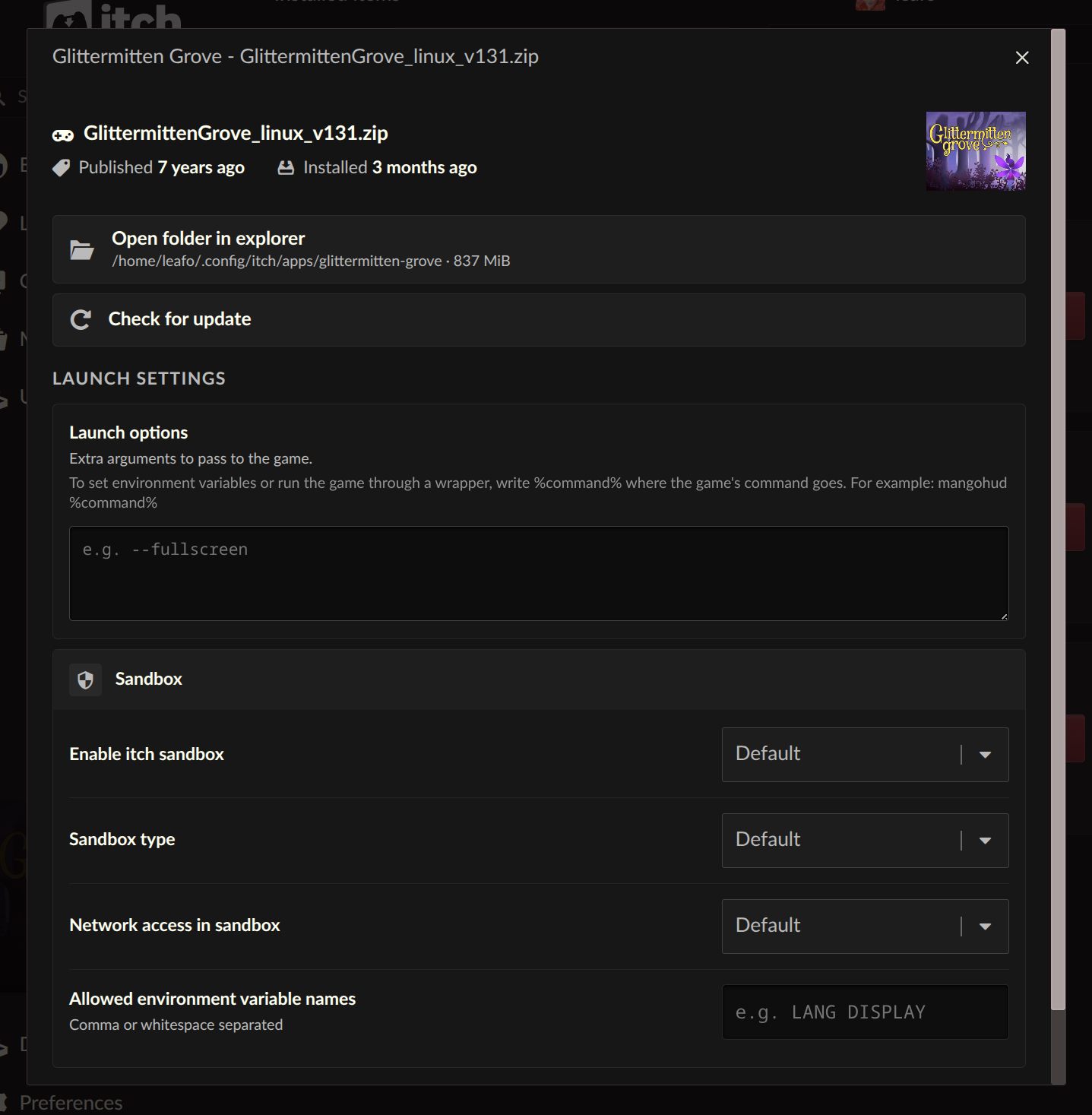
- Granular Launch Settings: Users can now configure sandbox restrictions, network access, and environment variables on a per-game basis, alongside a highly requested "Command pattern" for custom launch arguments.
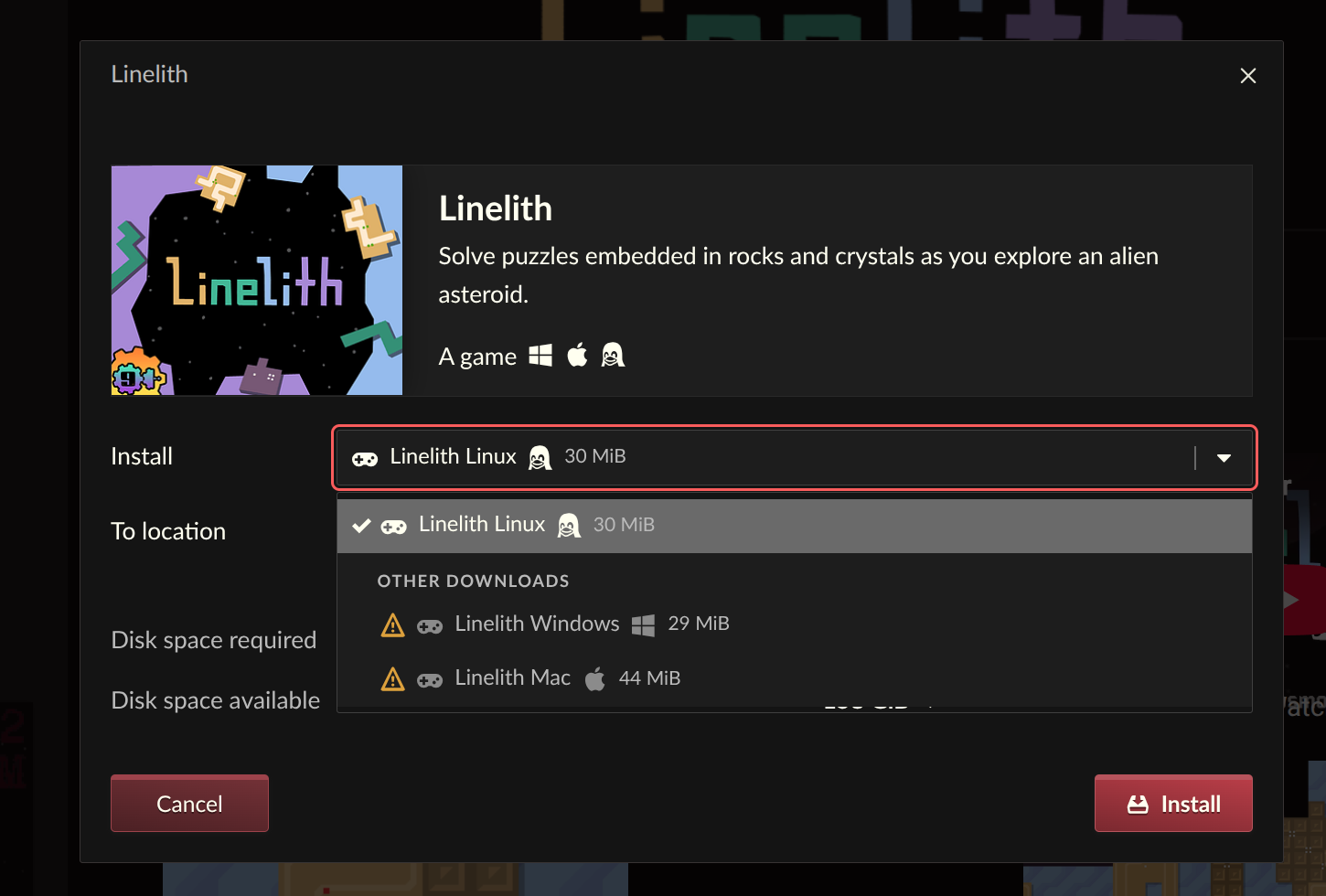
- Platform-Agnostic Installs: The app now allows users to view and download files even if they aren’t explicitly tagged for their current operating system.
- Revamped Search: The sidebar search has been completely overhauled to improve performance and usability, replacing the previous autocomplete-heavy model with a more intuitive interface.
Chronology: A Month of Rapid Development
The rollout of these features did not happen in a vacuum. It represents the culmination of intense development cycles throughout the current month.
- Initial Development Phase: The team spent weeks auditing the GitHub issues tracker to identify the most frequent pain points reported by the community.
- Release v26.15.0: This initial drop introduced the foundational architecture for the new library organization, focusing on the backend changes required to recognize bundle ownership within the desktop environment.
- Release v26.17.0: This iteration refined the UI, introduced the launch settings, and polished the search functionality.
- Emergency Hotfix v26.18.0: Shortly after the release of the primary updates, reports began to surface regarding a crash loop affecting macOS users. The development team responded with a rapid hotfix to address the instability, requiring affected users to reinstall via the official setup program.
Supporting Data: Scaling for Massive Libraries
One of the most impressive technical feats behind this update is how the itch.io team handled the infrastructure of large-scale bundles. Historically, itch.io has hosted monumental charity efforts, such as the Bundle for Racial Justice and Equality, which featured 1,741 items and reached over 800,000 purchasers. Similarly, the Bundle for Ukraine boasted nearly 1,000 items and over 400,000 buyers.
The challenge was not merely one of UI, but of database architecture. If the company had generated unique download keys for every individual game for every single purchaser, the database would have ballooned by over a billion rows for the Racial Justice bundle alone. Instead, the team implemented a "just-in-time" ownership record: a single record covers the bundle, and individual download keys are generated only when the user explicitly claims the item.
Prior to this update, the desktop application lacked the intelligence to interpret these "bundle-level" ownership records. Users were forced to visit the website and claim items manually before they would appear in their app library. The new update bridges this gap, allowing the app to query the backend and display the full contents of a bundle without requiring manual intervention, effectively unlocking thousands of games for users who previously found them buried in their accounts.
Official Responses and Community Interaction
The developer team, led by figures such as "leafo," has maintained a transparent dialogue with the community through the itch.io forums and GitHub. When the macOS stability issue arose, the response was immediate and instructional.
"We pushed out a hotfix v26.18.0 to address a MacOS crashing issue," the team noted in the official update log. "You may need to reinstall the app from the setup program if you’re stuck in a crash loop."
The community response has been largely positive, though not without critical feedback. Users have expressed gratitude for the ability to download "platform-untagged" games—a major win for Linux users who rely on compatibility layers like Wine or Proton to run Windows-only titles. However, some users have noted synchronization issues, where not all owned bundles are appearing in the library yet. The development team continues to monitor the forums, acting on these reports to refine the synchronization logic.
Implications: The Future of Digital Ownership
The implications of these updates extend beyond simple convenience. By providing "Launch Settings" that include command patterns and environment variables, itch.io is acknowledging that their user base includes power users, developers, and researchers. The ability to use a %command% pattern allows players to inject debugging tools, performance overlays, or compatibility wrappers directly into the launch process. This turns the itch.io app from a simple downloader into a functional game launcher.
Furthermore, the decision to allow users to bypass "platform tagging" is a philosophical statement. Many developers fail to tag their games for every OS, or simply do not know how their game will perform on a platform they do not own. By allowing the user to override these tags, itch.io is shifting the power of platform compatibility back to the consumer. It acknowledges that, in the era of modern emulation and translation layers, the "platform" of a game is increasingly fluid.
Looking Ahead: A More Integrated Ecosystem
As itch.io continues to evolve, the app is becoming a more cohesive part of the site’s broader ecosystem. The revamping of the bundle hosting tools, alongside these app updates, suggests that the platform is positioning itself to be the primary home for independent digital distribution.
The shift away from the old, confusion-heavy autocomplete search in favor of a full-experience search is also telling. It suggests that the team recognizes that users are no longer just "downloading a file"; they are managing a library of potentially thousands of titles. The app is no longer just a utility; it is a repository.
Final Thoughts for the User
For those who have been hesitant to use the itch.io app because of the difficulty in managing their massive, bundle-heavy libraries, now is the time to reconsider. The latest updates have effectively solved the "discovery problem" that plagued many power users.
To update, simply relaunch your app. If you are a new user or are currently stuck in the aforementioned macOS crash loop, you can download the latest version directly from https://itch.io/app.
While the team continues to squash bugs and refine the experience, the current state of the application represents a significant leap forward in usability. Whether you are a developer looking for better testing environments or a player trying to organize a digital hoard of indie gems, the latest itch.io update provides the tools necessary to curate, manage, and play your library on your own terms. As the team continues to solicit feedback, the platform remains one of the most responsive and user-centric corners of the digital gaming landscape.