The Apple Effect: How the iPhone Duo is Validating the Foldable Smartphone Market
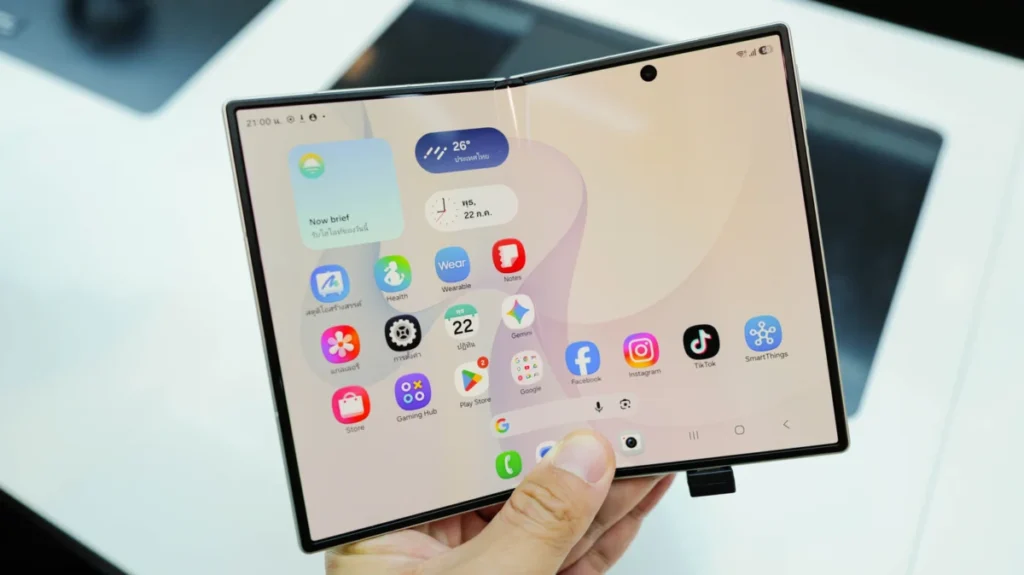
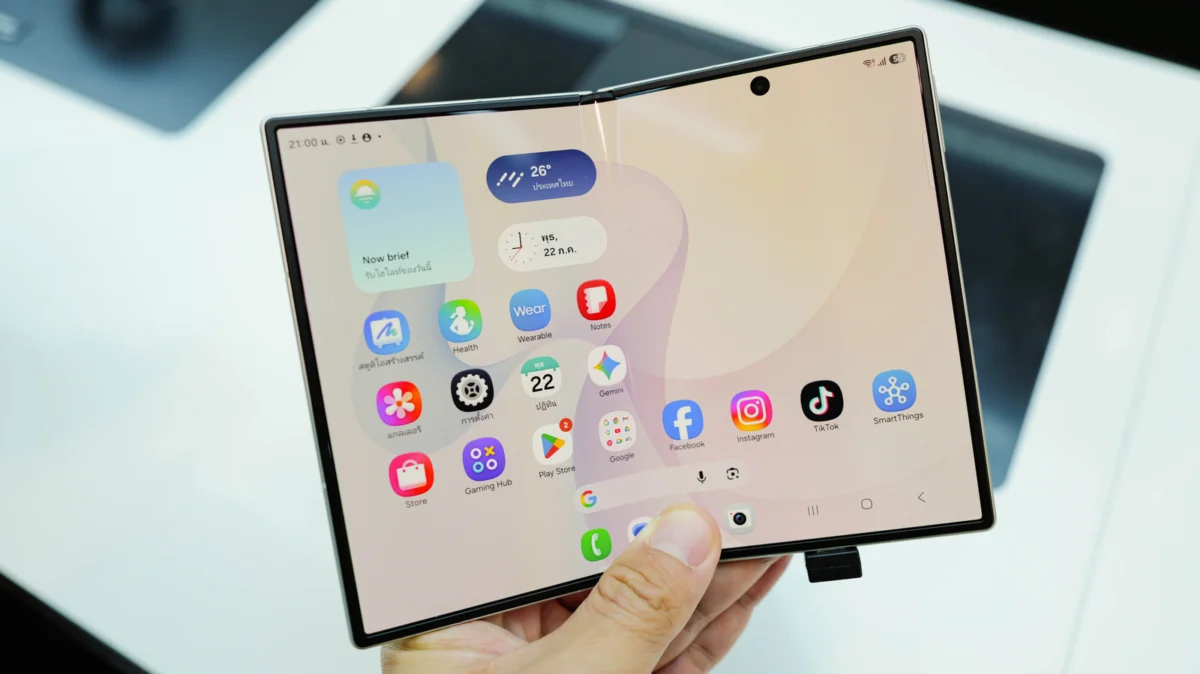
The arrival of Apple’s long-rumored foldable smartphone, the iPhone Duo, has sent a seismic shock through the consumer electronics industry. For years, the foldable category has existed as a high-end, albeit niche, playground for innovators like Samsung, Google, and Motorola. However, with Apple’s official entry into the space, the "foldable" label has graduated from a speculative experiment to a mainstream hardware requirement. Paradoxically, while Apple aims to capture market share, the primary immediate beneficiary of this transition may well be its most seasoned rival: Samsung.
The Main Facts: Defining the Shift
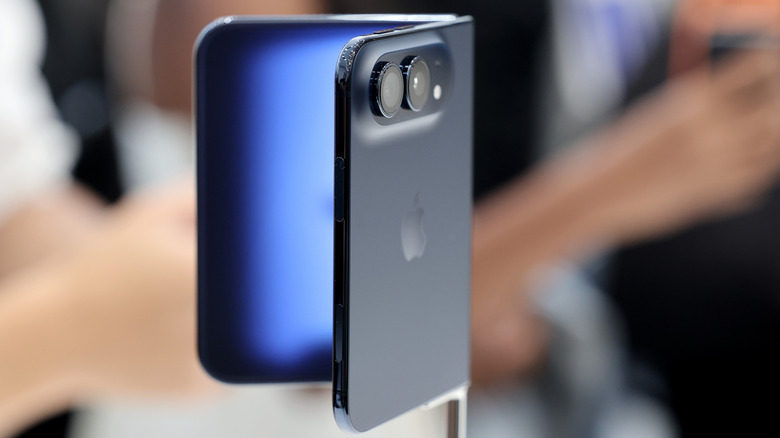
The iPhone Duo, recently unveiled to a global audience, represents the first time Apple has fundamentally altered the form factor of its flagship device since the iPhone’s inception in 2007. While technical specifications remain subject to the scrutiny of the coming month’s launch, the device signals that Apple believes the hinge-and-flexible-display architecture is finally mature enough for mass-market adoption.
Unlike early, fragile prototypes from the late 2010s, the iPhone Duo incorporates a refined mechanical hinge and a proprietary display coating designed to minimize the “crease” that has plagued earlier foldable generations. By entering this space, Apple is essentially providing a “seal of approval” that the technology is ready for prime time. This validation is expected to trigger a surge in consumer confidence, lowering the barrier to entry for users who were previously hesitant to invest in unproven hardware.
A Chronology of the Foldable Revolution
To understand the significance of the iPhone Duo, one must look at the timeline of the foldable evolution:
- 2019: The Genesis: Samsung launched the original Galaxy Fold, a device marred by early technical failures but hailed as a visionary step forward. It established the "book-style" foldable as the ultimate goal for power users.
- 2020–2022: Iterative Growth: Companies like Motorola (with the Razr) and Samsung (with the Flip series) shifted focus to clamshell designs. Meanwhile, software optimization remained a secondary priority, leaving users with apps that often failed to scale correctly across different screen ratios.
- 2023–2024: The Maturity Phase: Samsung released the Galaxy Z Fold 8, which achieved near-parity with standard flagship phones in terms of durability, camera quality, and software integration.
- 2025: The Apple Pivot: Apple officially announces the iPhone Duo, moving the foldable conversation from “early adopter curiosity” to “standard upgrade path.”
This timeline demonstrates a clear progression from experimental hardware to refined consumer electronics. Samsung has spent six years refining its manufacturing processes, and the arrival of the iPhone Duo effectively serves as the “graduation ceremony” for the entire foldable industry.
Supporting Data: Moving Beyond the Niche
The statistics surrounding the foldable market paint a clear picture of an industry waiting for a catalyst. According to IDC, global foldable shipments reached approximately 20.6 million units last year. While that number sounds impressive, it is dwarfed by the 1.25 billion total smartphones shipped globally in the same period. Foldables currently represent less than 2% of the market.
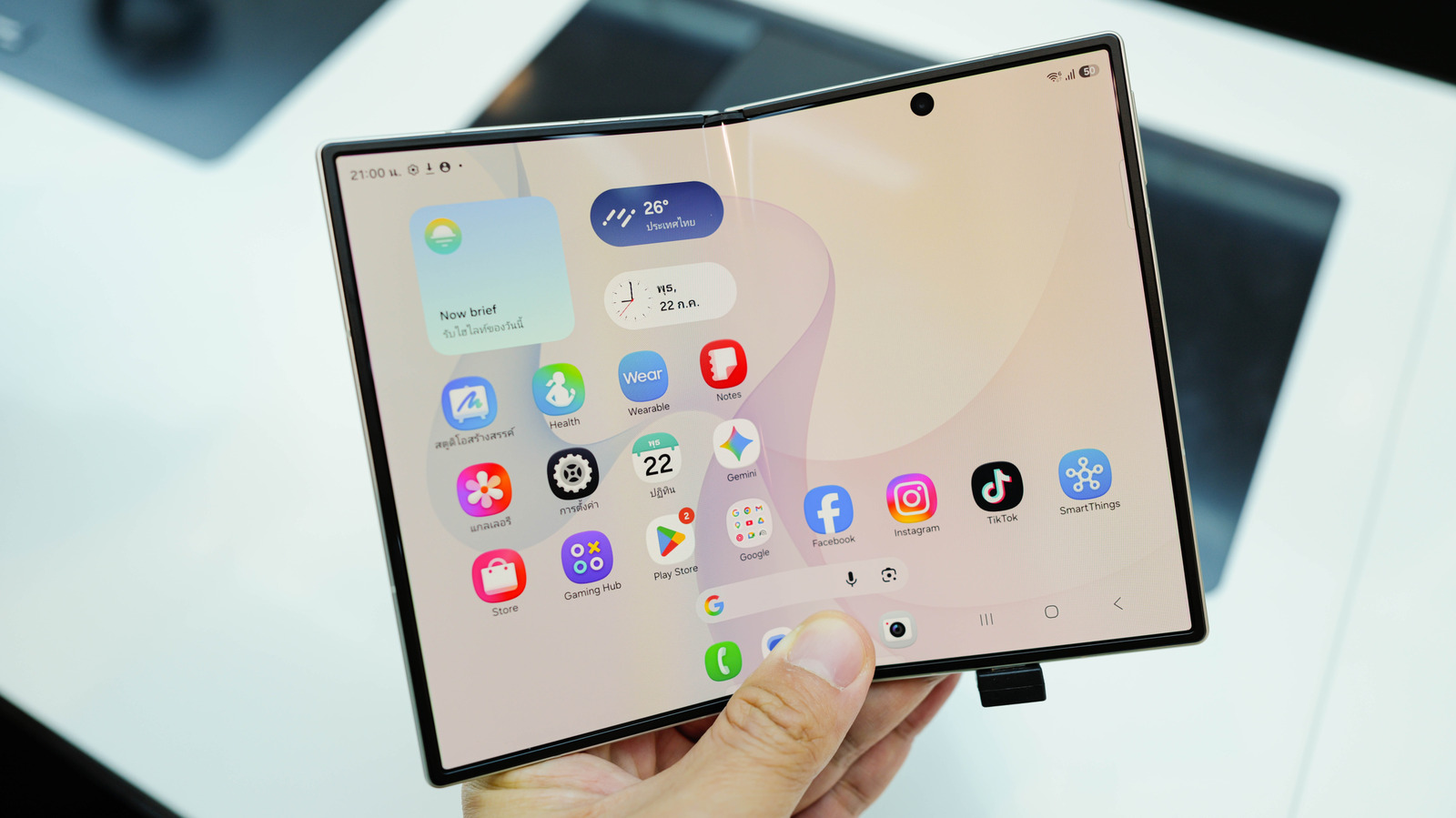
However, the "Apple Effect" is already manifesting in market behavior. Industry analysts have observed a marked uptick in interest regarding the Samsung Galaxy Z Fold 8 in the weeks following the Apple announcement. This phenomenon—often called the “halo effect”—suggests that consumers who are interested in the idea of a foldable phone are beginning to research their options. When they see the price point of the iPhone Duo, many are finding that the feature-rich, deeply discounted, and mature ecosystem of the Galaxy Z Fold 8 offers a more compelling value proposition.
Samsung’s tactical response has been to leverage this interest, preemptively adjusting prices and launching marketing campaigns that highlight the years of experience the company has in the foldable space compared to Apple’s freshman attempt.
Official Responses and Industry Dynamics
The industry reaction to the iPhone Duo has been one of cautious observation. While Apple’s press materials focus on the "seamless integration of hardware and software," competitors are focusing on the gaps in Apple’s offering.
Samsung’s leadership has largely refrained from direct disparagement, instead focusing on the strength of their own portfolio. A spokesperson for the company noted, “Competition is the engine of innovation. We welcome Apple to the fold; it validates the vision we have been building since 2019.”
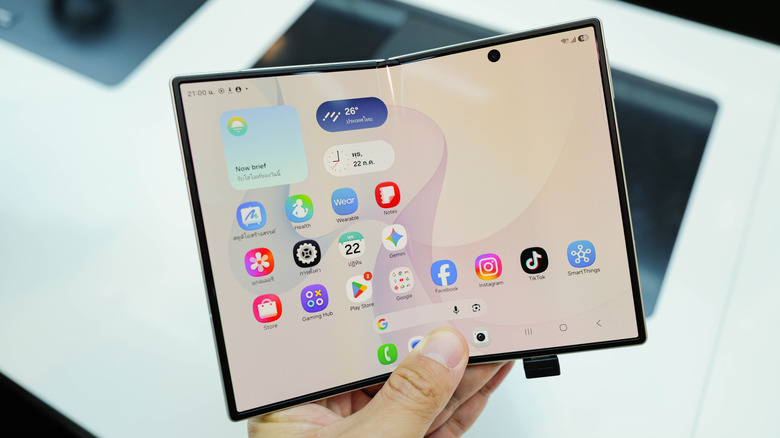
Behind the scenes, however, the strategy is aggressive. By maintaining a tiered approach—offering everything from the budget-conscious Galaxy Z Flip7 FE to the luxury-grade Z Fold 8 Ultra—Samsung is ensuring that for every customer Apple attracts to the foldable category, there is an alternative ready for those who find the iPhone’s price point prohibitive or its software interface too restrictive.
Implications: The Road Ahead
The entry of the iPhone Duo is destined to reshape the smartphone landscape in three distinct ways:
1. Hardware Standards and Durability
Apple’s decision to utilize a matte nano-textured layer to hide the screen crease is setting a new aesthetic standard. Critics and consumers alike have identified the visible crease as the "Achilles’ heel" of foldables. Now that Apple has tackled this problem, Samsung and other manufacturers will be under immense pressure to refine their own displays to meet this new visual expectation. The ripple effect will likely lead to a new generation of screens that are more durable and visually indistinguishable from rigid panels.
2. Software Optimization and UI/UX
One of the most profound implications of the iPhone Duo is its software. Apple has redesigned iOS to handle "state-switching"—the ability for an app to intelligently reformat itself as the device transitions from closed to open. Currently, many Android apps on foldables simply "stretch," resulting in wasted space or UI elements that are difficult to reach. By setting a high bar for interface design, Apple will force Google and its Android partners to invest heavily in a standardized framework for foldable-first applications.
3. Price Democratization
The high cost of entry has always been the primary deterrent for foldable adoption. With two industry titans now fighting for the same demographic, the race to the bottom in terms of pricing is inevitable. As manufacturing yields improve and economies of scale take over, we can expect to see "mid-range" foldables that bring this technology to the masses, potentially within the next two to three years.
Conclusion: A Rising Tide
While it may seem counterintuitive for a rival to benefit from a competitor’s expansion, the foldable market is currently in a "rising tide" phase. The market is not yet a zero-sum game; it is a market-building phase. Apple’s presence brings mainstream credibility that no amount of advertising from Samsung or Google could achieve on its own.
As Apple attempts to lure users into the foldable fold, they are inadvertently acting as a marketing engine for the category as a whole. For the consumer, this is the best possible outcome. The era of the "standard" smartphone is reaching a plateau, and the foldable era is just beginning. With the combined R&D power of Apple, Samsung, and the broader Android ecosystem, the next few years promise to be the most innovative period in mobile technology since the invention of the smartphone itself.
Whether one chooses the refined ecosystem of the iPhone Duo or the feature-heavy, time-tested reliability of the Galaxy Z Fold 8, the real winner is the consumer, who now finds themselves at the center of a hardware renaissance.