The End of an Era: Polyarc, the Studio Behind VR Icon ‘Moss,’ Shuts Its Doors
The landscape of virtual reality gaming suffered a significant blow this week as Polyarc, the celebrated independent developer behind the acclaimed Moss franchise, announced the permanent cessation of its operations. The Seattle-based studio, which spent nearly 12 years carving out a niche in the immersive technology sector, confirmed its closure via a somber update on its official LinkedIn page.
For many, the news marks the end of a chapter that defined the "golden age" of early consumer VR. Polyarc was widely regarded as a pioneer in VR game design, proving that the medium was capable of delivering intimate, high-fidelity, and emotionally resonant storytelling rather than just tech demos or arcade experiences. However, as the broader gaming industry faces turbulent headwinds and the VR market shifts away from its initial hyper-growth phase, the studio’s departure serves as a poignant reminder of the precarious nature of independent development in emerging technologies.
The Facts: A Quiet Exit
The announcement, posted on LinkedIn, was direct and devoid of corporate jargon, focusing instead on the camaraderie built over more than a decade of development. "After nearly 12 years riding the joyous rollercoaster of emotions that is making video games, our time together has come to an end," the statement read. "As we wind down active development, we are saying our farewells to each other. Working together over all of these years has been an honor."
The human cost of the closure is significant. Alongside the announcement, a "reverse recruiting sheet" was published—a common practice in the industry that helps departing employees find new roles. The document indicates that at least 29 staff members are now searching for employment, a testament to the size of the team that maintained the Moss universe. While the studio is winding down, it has confirmed that its existing catalog—including Moss, Moss: Book II, and Glassbreakers—will remain available for purchase across all digital storefronts.
A Chronology of Innovation: From Humble Beginnings to VR Stardom
Polyarc’s history is inextricably linked to the evolution of modern VR. Founded by veterans of the industry, the studio arrived on the scene with a clear vision: to make VR feel like a magical, tactile experience.
The Rise of Quill
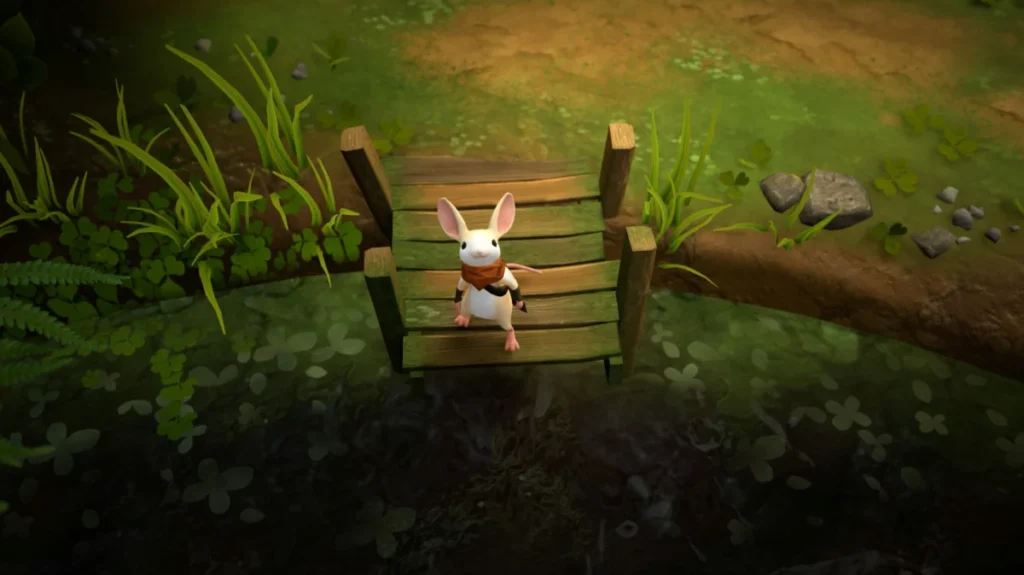
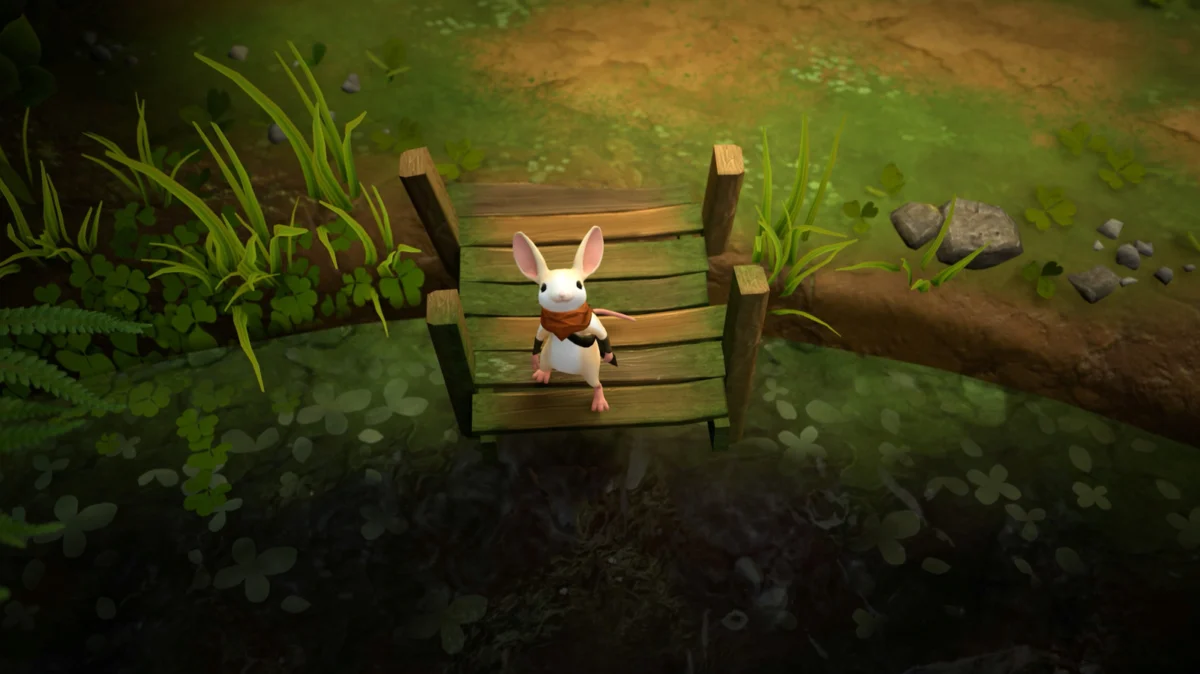
In 2018, Polyarc burst into the mainstream with Moss. The game introduced the world to Quill, a courageous young mouse whose journey through a storybook-inspired world captivated players and critics alike. Moss was not just a game; it was a masterclass in scale and perspective. By placing the player in the role of a giant, omnipresent guardian who interacts with the environment while guiding a tiny hero, Polyarc solved one of the most difficult challenges in VR: how to make a third-person platformer feel comfortable and immersive.
The title became a system-seller for the original PlayStation VR and served as a flagship experience for the Oculus Quest (now Meta Quest) platform. It proved that VR was more than just first-person shooters; it was a medium for empathy and wonder.
Expansion and Experimentation
Building on that success, the studio released Moss: Book II in 2022. The sequel was larger, more mechanically complex, and deepened the bond between the player and Quill. Following this, the studio sought to diversify. They launched Glassbreakers, a multiplayer strategy title designed for the Apple Vision Pro, attempting to leverage the high-end spatial computing capabilities of that new hardware.
The Final Pivot
Perhaps recognizing the cooling interest in dedicated VR gaming, Polyarc made a bold strategic pivot in May 2026. The studio released Moss: The Forgotten Relic, a flat-screen adaptation that consolidated the series and removed the requirement for a VR headset. This was clearly an attempt to reach a wider, traditional gaming audience—a move that, in hindsight, may have been a final effort to sustain the studio’s financial viability in a shifting market.
Market Implications and the "VR Winter"
The collapse of a studio as respected as Polyarc raises difficult questions about the state of the virtual reality market. Why would a studio with such a beloved IP and a strong track record be unable to sustain itself?

The Meta Pivot
The most immediate factor is the broader industry climate. Earlier this year, Meta, the primary financier and hardware provider for the VR ecosystem, initiated a massive pivot away from the "metaverse" and toward AI development. As part of this realignment, Meta shuttered several of its own internal VR studios. When the primary architect of an ecosystem begins to withdraw funding and focus, third-party developers like Polyarc are left in a "funding desert." Without the support and marketing investment from platform holders, creating high-quality VR experiences becomes an existential risk.
The Challenge of Discoverability
Even with critical acclaim, the VR market remains a fraction of the size of the console or PC gaming markets. Developers are caught in a cycle: to succeed, they need a large install base; but to build a large install base, they need high-quality games. When funding for "premium" VR games dries up, studios are forced to rely on organic sales, which are notoriously difficult to generate in a crowded digital storefront dominated by low-cost, low-effort titles.
The "Flat" Transition
Polyarc’s attempt to bring Moss to non-VR platforms was a necessary evolution, but it highlights a fundamental truth: the market for VR-exclusive games is not currently large enough to support a studio of Polyarc’s size. By removing the VR requirement, they were trying to expand their TAM (Total Addressable Market), but by that point, the studio may have already been burning through its remaining capital at an unsustainable rate.
Supporting Data: The Cost of Development
While specific financial reports for private studios are rarely public, the math behind indie development is often brutal.
- Team Size: 29 employees.
- Burn Rate: For a team of nearly 30 developers, engineers, and artists, the monthly burn rate for salaries, benefits, office space, and specialized equipment (VR dev kits, etc.) can easily reach several hundred thousand dollars.
- Revenue Gap: Even with strong reviews, Moss and Moss: Book II likely had a "ceiling" on sales due to the limited number of VR headset owners. When sales don’t scale exponentially, the cost of labor—which has risen significantly in the gaming sector—eventually eclipses the revenue generated by catalog titles.
Reflections: What Polyarc Leaves Behind
The loss of Polyarc is not just about the loss of a business; it is about the loss of a specific design philosophy. The studio’s games were characterized by their "cozy" aesthetic and their refusal to lean into the aggressive, "gamer-centric" tropes that dominate much of the industry.
"Bringing surprise and delight to those who played our games has been a privilege," the studio noted in its farewell. This commitment to "surprise and delight" was evident in every frame of the Moss series, from the way Quill would high-five the player to the intricate, tactile nature of the puzzles.
Industry Reaction
The response from the developer community has been one of shock and mourning. On social media, fellow developers have praised Polyarc for showing that VR could be "gentle." The studio’s closure serves as a warning to the industry: without a sustained, long-term commitment from platform holders like Meta, Apple, and Sony, the most creative voices in the VR space are at constant risk of being silenced.
Conclusion: An Uncertain Future for VR
As the curtains close on Polyarc, the virtual reality industry stands at a crossroads. The dream of a fully realized, mass-market VR ecosystem feels further away than it did five years ago. While the hardware continues to advance—with better optics, higher resolutions, and improved tracking—the content pipeline is beginning to sputter.
Polyarc’s legacy will not be defined by its closure, but by the impact it had on the players who found a sense of wonder in a tiny mouse named Quill. Their games remain available, standing as a monument to what was possible when a group of talented, dedicated developers was given the space to dream in virtual reality. For now, the "joyous rollercoaster" has come to a stop, but the memories of that journey will persist in the digital annals of gaming history.