The Evolution of Reliability: openSUSE Leap 16.1 Integrates Immutability into the Mainline
The landscape of enterprise and enthusiast Linux distributions is undergoing a significant shift. For years, the openSUSE project has maintained a bifurcated approach to its offerings, balancing the rock-solid stability of its Leap distribution with the cutting-edge, rolling-release nature of Tumbleweed. However, the most distinct segment of the openSUSE ecosystem—Leap Micro—has officially reached a strategic turning point.
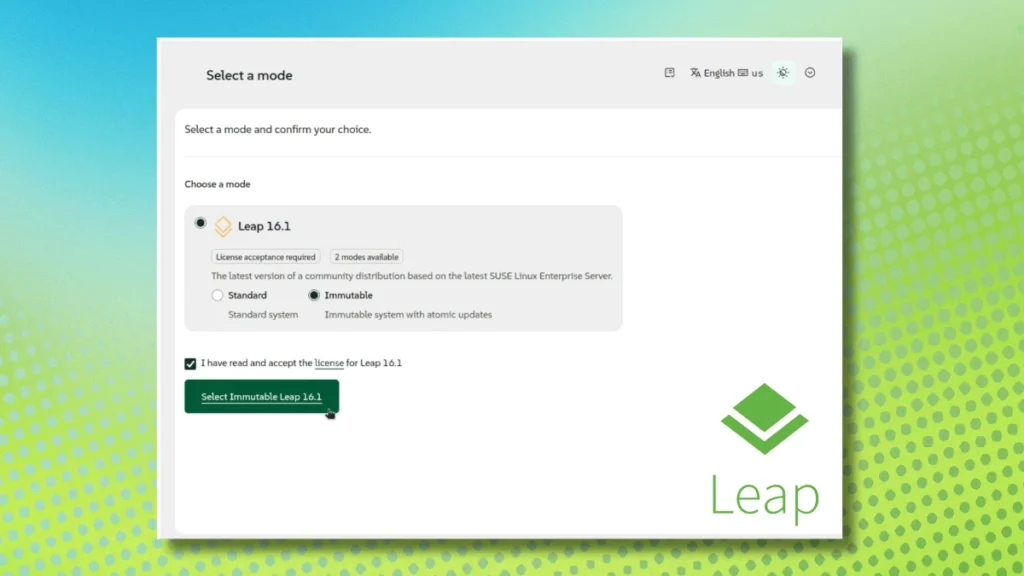
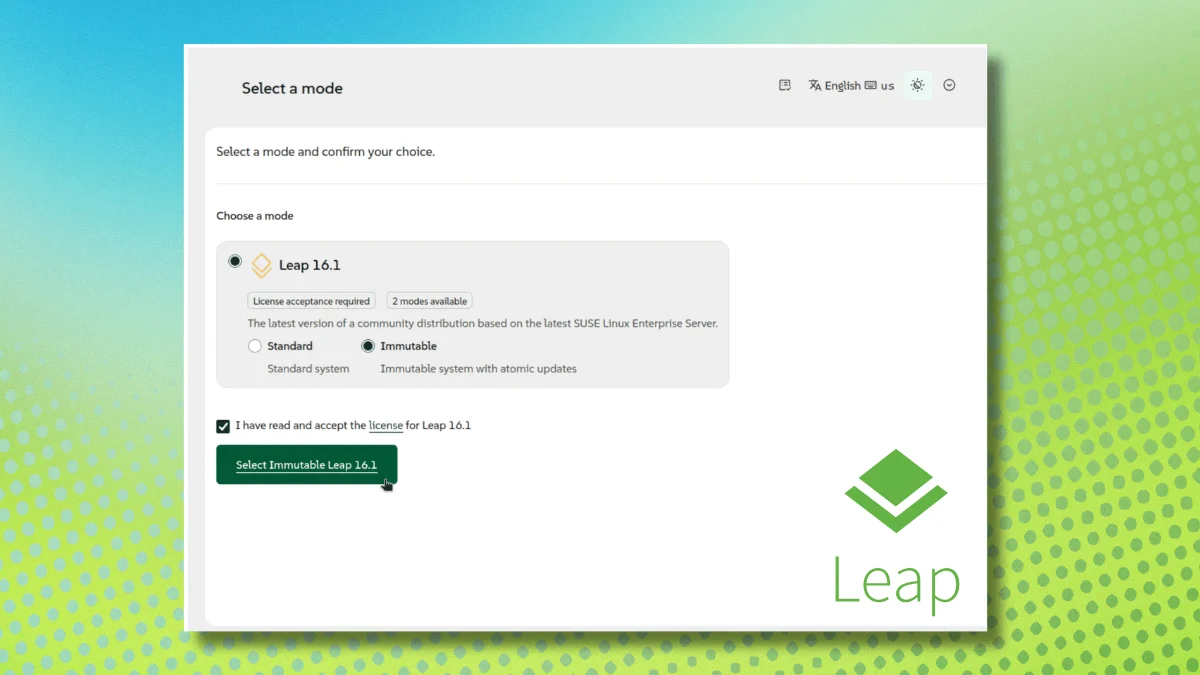
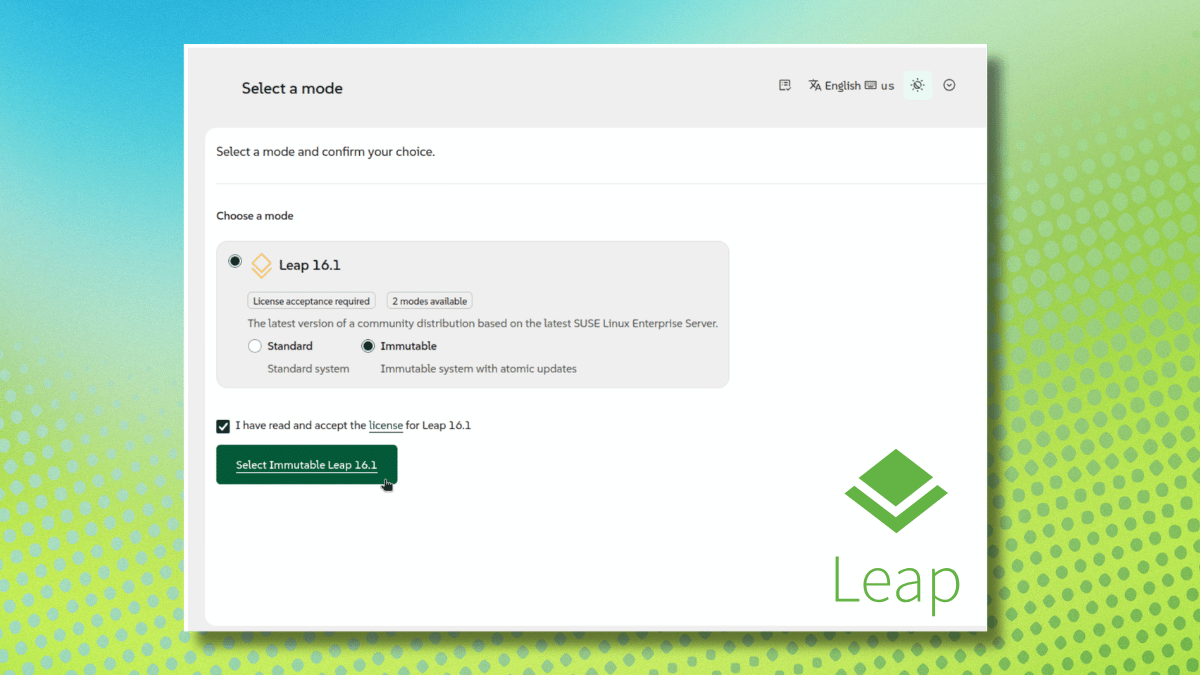
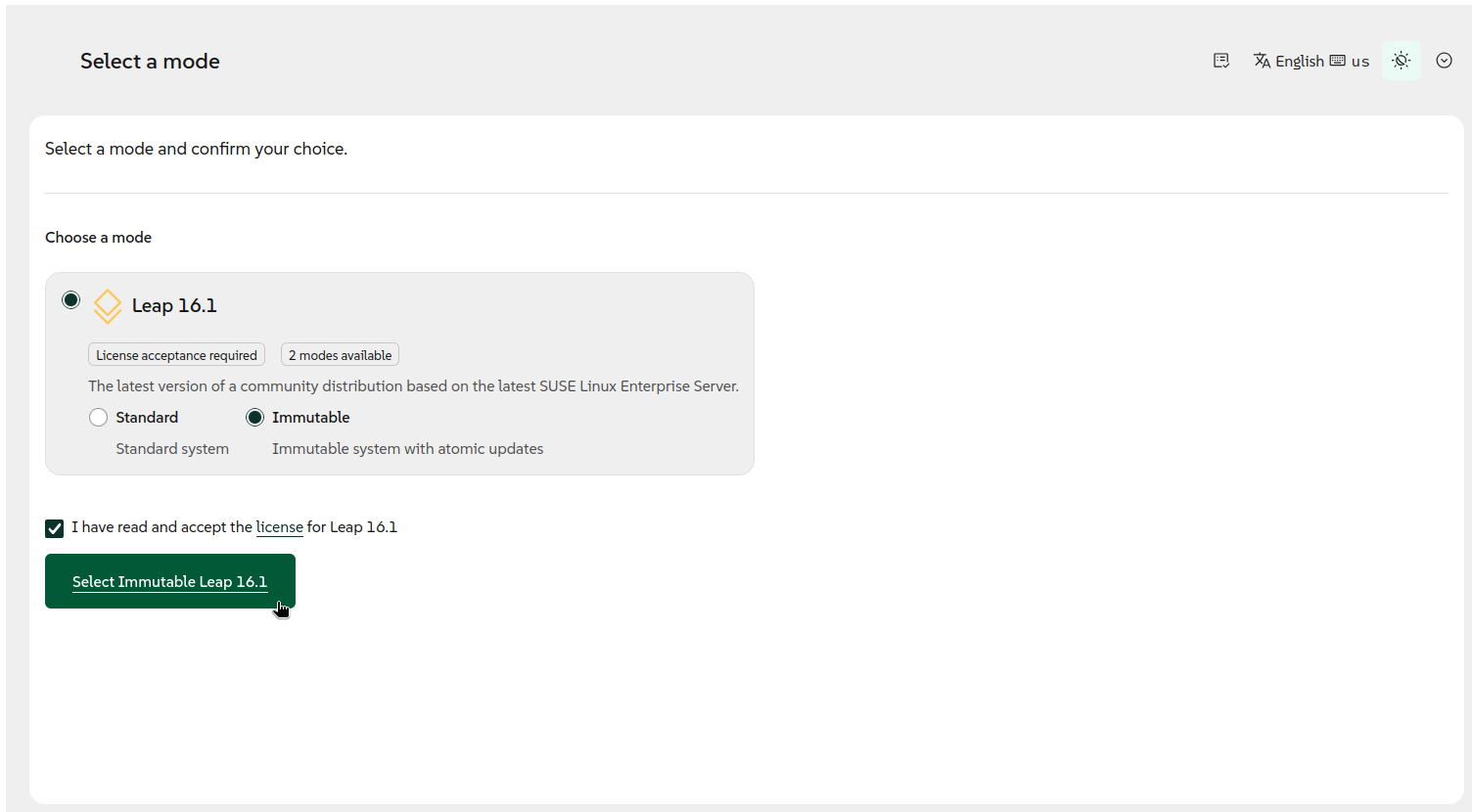
With the arrival of the Release Candidate (RC) for openSUSE Leap 16.1, the project has announced a bold consolidation: the "Immutable" architecture is no longer a separate product, but a primary installation mode within the standard Leap installer. This move signals a departure from siloed development, aiming to make robust, atomic, and read-only system architectures accessible to a broader audience.
The Evolution of the openSUSE Ecosystem
To understand the weight of this change, one must look at the historical pillars of openSUSE. The project has traditionally thrived on four distinct variants, each tailored to a specific user demographic:
- Leap: The flagship fixed-release distribution, sharing its DNA with SUSE Linux Enterprise (SLES), designed for stability-first environments.
- Tumbleweed: A pure rolling-release distribution that provides the latest kernels and packages, catering to developers and power users who require the "bleeding edge."
- MicroOS: An immutable, rolling-release variant that brings the benefits of atomic updates to the Tumbleweed user base.
- Leap Micro: The immutable, fixed-release counterpart to Leap, specifically architected for container hosts, edge computing, and virtual machine (VM) workloads.
Until now, if a user wanted the security and reliability of a fixed-release immutable system, they had to opt for Leap Micro. While effective, this created a technical and administrative wall between users seeking traditional stability and those requiring modern, atomic infrastructure. By folding the "Immutable" mode directly into the Leap 16.1 installer, the project is effectively tearing down that wall.
Chronology: From Separate Products to Unified Choice
The transition has been a gradual, deliberate process within the openSUSE development community.
- The Era of Separation: For years, Leap Micro stood alone as a specialized product. It required a unique installation path and maintained its own repository and lifecycle management, which often led to confusion for users trying to decide between "Standard" Leap and "Micro" Leap.
- The Agama Initiative: The development of the Agama installer was the catalyst for this change. Designed to be a modern, web-based, and modular installation framework, Agama allowed the developers to rethink how components are presented to the end user.
- The Decision to Merge: In late September 2026, the openSUSE project announced that it would sunset the standalone Leap Micro product line. Starting with Leap 16.1, the immutability features would be integrated as a selectable option, marking the end of separate binary builds for these two distinct philosophies.
- The Current Status: As of late September 2026, the first Release Candidate (RC) for Leap 16.1 is available for public testing, with the project moving toward a weekly release cycle for further RCs before reaching Gold Master Candidate (GMC) status.
Technical Foundations: What "Immutable" Really Means
When a user selects the "Immutable" mode in the new Agama-based installer, they are opting for a paradigm shift in how the operating system manages its own lifecycle.
Atomic Updates and Read-Only Roots
At the core of this transition is the transactional-update utility. In this mode, the root filesystem is mounted as read-only. When a system update is triggered, the changes are not applied directly to the running system. Instead, the system creates a new "snapshot" of the filesystem, applies the updates to that snapshot, and stages it for the next reboot.
This approach offers two massive advantages:
- Fault Tolerance: If a kernel update or a library conflict breaks the system, the user is never left with a "bricked" machine. Because the original, working snapshot remains intact, rolling back is as simple as selecting the previous snapshot at the GRUB boot menu.
- Consistency: By moving away from "in-place" updates, developers and system administrators can guarantee that every node in a cluster is running an identical, verified version of the software.
The Ecosystem of Apps
The question often arises: "If the root system is locked, how do I install my favorite apps?" The answer lies in the separation of concerns. In the immutable mode, software is no longer installed via traditional zypper commands into the system root. Instead, the architecture relies on:
- Podman and Distrobox: For containerized workloads and isolated developer environments.
- Flatpak: For desktop applications, ensuring that software remains decoupled from the underlying OS binaries.
For users who prefer the traditional, mutable experience, the "Standard" mode remains available, ensuring that the legacy of openSUSE’s flexibility is not lost.

Supporting Data: The End of Leap Micro
The most significant data point regarding this merger is the definitive discontinuation of future Leap Micro releases. There will be no Leap Micro 6.3 or 7.0.
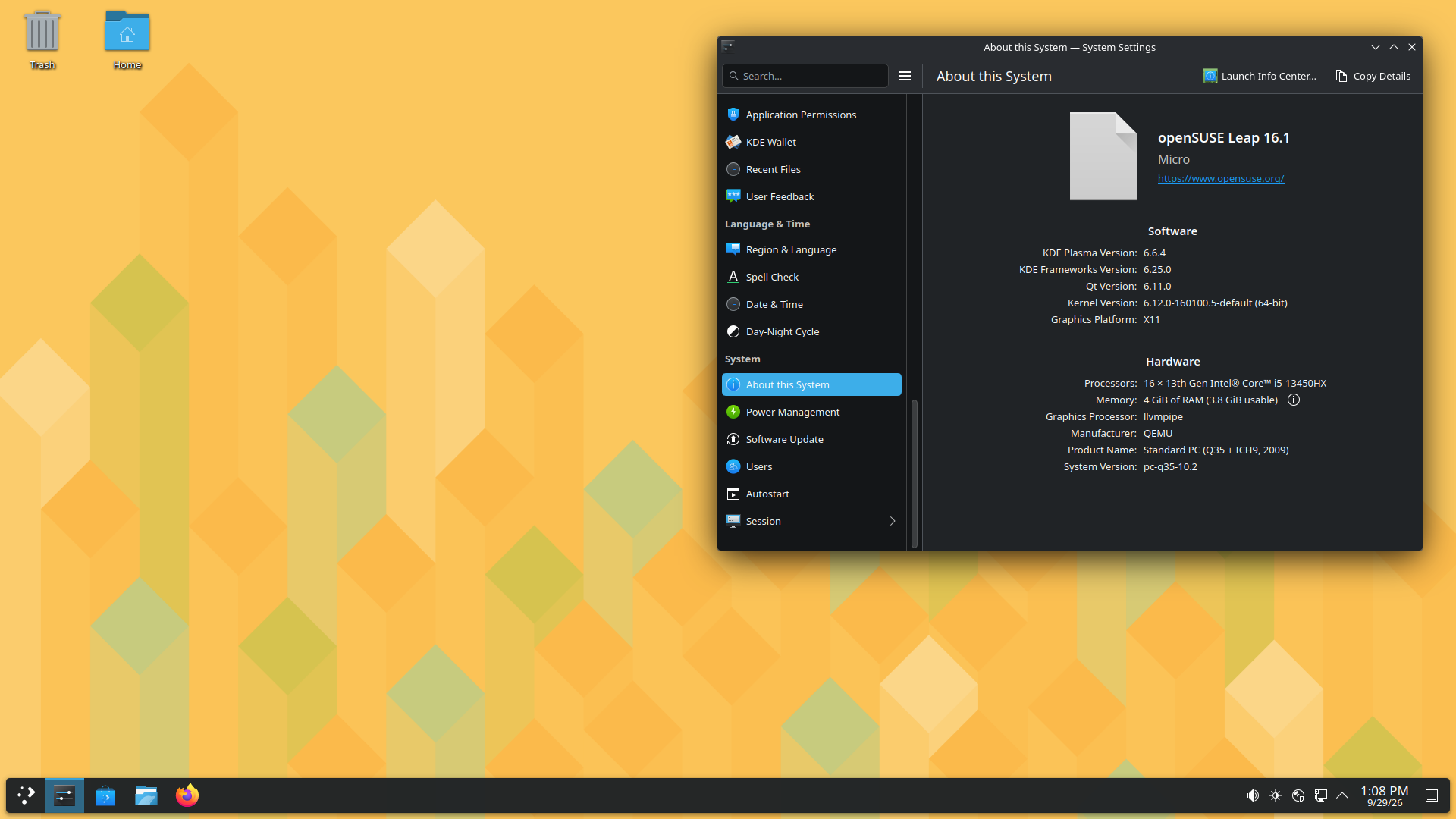
For the existing user base of Leap Micro 6.2, this presents a migration challenge. The project has proactively addressed this by releasing an experimental openSUSE Migration Tool, designed to bridge the gap and transition existing immutable deployments into the new Leap 16.1 framework. This ensures that enterprise users who rely on Leap Micro for edge and container deployments can transition to the new, unified Leap without needing to rebuild their entire infrastructure from scratch.
Desktop Upgrades: A Wider Leap 16.1 Context
While the move to integrated immutability is the headline, Leap 16.1 is a comprehensive release. The integration of modern desktop environments is a key feature of this cycle:
- KDE Plasma 6.6: This release introduces enhanced OCR (Optical Character Recognition) capabilities within the Spectacle screenshot tool, alongside significant accessibility improvements aimed at making the desktop more inclusive.
- GNOME 48: The GNOME update is being handled with a conservative, stability-first approach. While the version included provides HDR support and a new default audio player, the development team has opted for a gradual staging of the GNOME stack, including specific bug-fix patches for
gnome-shellto ensure compatibility with the Leap 16.1 ecosystem.
Implications for the Industry
The decision to fold immutability into the standard distribution has far-reaching implications for the Linux ecosystem.
For Enterprise Users
By embedding immutability within the main Leap release, openSUSE is effectively lowering the barrier to entry for enterprise-grade security. Smaller organizations or edge-compute teams that previously found the overhead of maintaining a separate "Micro" distribution daunting can now adopt atomic, roll-backable systems with the same ease as a standard server install.
For the Developer Community
This change forces a shift in development workflows. Developers are being encouraged to stop treating the OS as a mutable bucket for random binaries and start treating it as a static platform. This aligns perfectly with the shift toward Infrastructure as Code (IaC) and container-native deployment patterns.
For the openSUSE Project
This consolidation reduces the "surface area" of the project’s maintenance burden. By maintaining one core Leap architecture that can function in both mutable and immutable modes, the developers can focus on quality assurance and security patches without having to manage two separate, parallel release cycles. It is a leaner, more sustainable model for a project that has consistently proven its longevity.
Looking Ahead: The Path to Gold Master
As the project approaches the final release of Leap 16.1, the focus is squarely on stability. The commitment to a weekly Release Candidate cycle demonstrates a high degree of transparency and a desire to catch edge cases in the new installer mode.
For those looking to test the future of openSUSE today, the RC builds are currently available for all major architectures, including x86_64, aarch64, ppc64le, and s390x. These images serve as the testing ground for what is arguably the most significant architectural change to the Leap distribution in nearly a decade.
In the broader context of Linux, openSUSE’s move mirrors a larger industry trend—one where the distinction between "Desktop Linux" and "Server/Infrastructure Linux" is blurring in favor of more robust, predictable, and maintainable systems. By choosing to embrace immutability, openSUSE is not just keeping up with the industry; it is providing a template for how traditional, stable distributions can evolve to meet the needs of a cloud-native, edge-driven future.
Whether this transition will lead to widespread adoption of immutable desktop environments remains to be seen, but one thing is clear: the era of the "static" and "manual" Linux installation is steadily giving way to a more resilient, automated, and atomic future.