The Final Frontier’s Identity Crisis: A Deep Dive into ‘Star Trek: Strange New Worlds’ Season Four
Main Facts: A Bold but Uncertain Trajectory
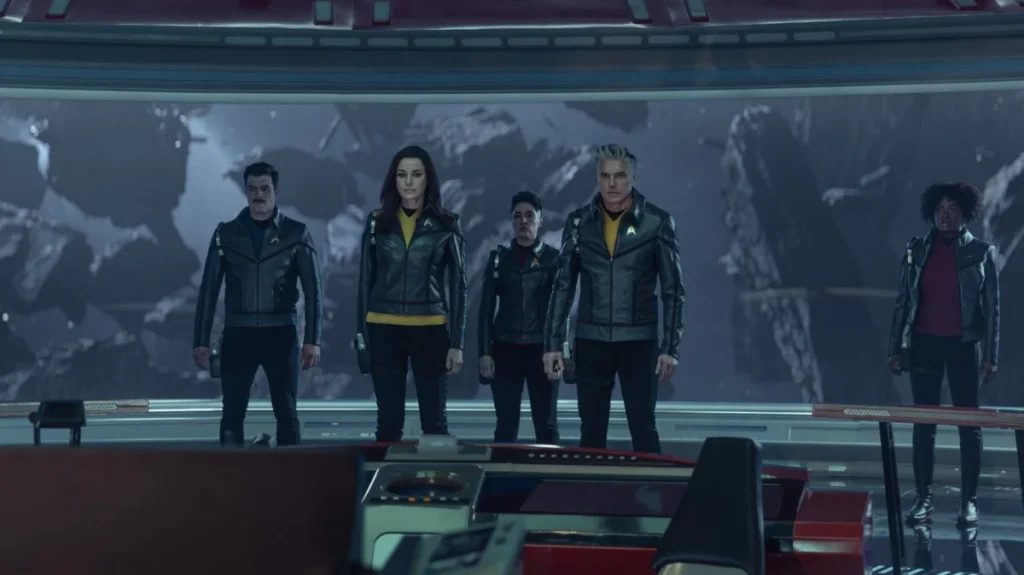
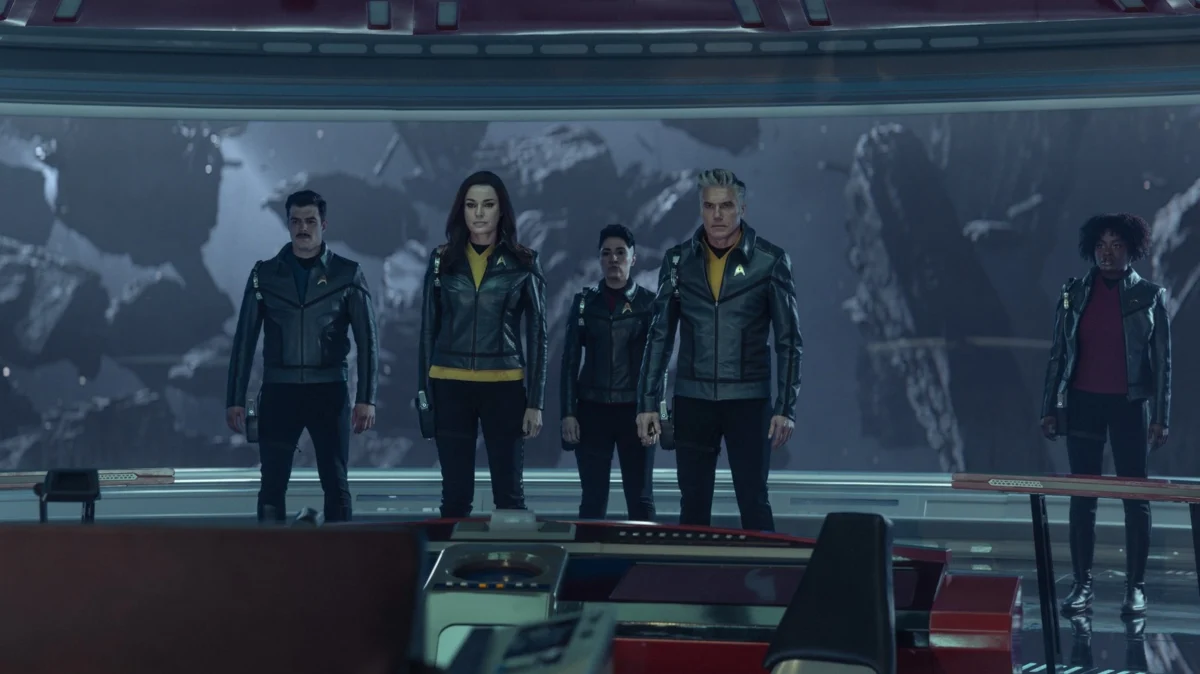
Star Trek: Strange New Worlds has long held the mantle as the crown jewel of the modern streaming-era Star Trek franchise. With its episodic structure, charismatic ensemble cast led by Anson Mount, and a willingness to explore the weirder side of science fiction, it was designed to recapture the spirit of the original 1966 series. However, as the show enters its fourth season, it faces a critical inflection point.
The core premise of season four remains consistent with the show’s established mission statement: to take massive creative risks and push the boundaries of the Star Trek format. Yet, the confidence that buoyed the first two seasons appears to be waning. The production continues to lean heavily into genre-bending parodies and experimental storytelling—including a highly anticipated collaboration with Jim Henson Studios—but the execution often feels burdened by a need to justify its own creative choices rather than simply inhabiting them. While the series remains visually stunning and occasionally brilliant, it is currently grappling with a lack of narrative cohesion that threatens to undermine its status as the definitive Star Trek experience.
Chronology: The Evolution of a Franchise
To understand the current state of Strange New Worlds, one must look at the show’s progression from its inception to its current, somewhat volatile iteration.
- The Launch (Seasons 1-2): The show debuted to critical acclaim, largely praised for its "back to basics" approach. Anson Mount’s Captain Christopher Pike became a fan favorite, providing a grounded, empathetic anchor for the series. During this era, the show’s tonal shifts—moving from horror to comedy to drama—felt like a refreshing departure from the serialized grimness of other franchise entries.
- The Ebbing Confidence (Season 3): As the show moved into its third season, the narrative focus began to splinter. The intentional "unevenness" of the storylines, which was once a signature charm, began to feel like a lack of structural discipline. Pacing issues emerged, and the creative team’s insistence on incorporating darker, gore-heavy elements became a point of contention among long-term fans.
- The Current State (Season 4): Entering its fourth season, the show is doubling down on its "swing for the fences" mentality. The season is characterized by a series of high-concept episodes that experiment with form, including the aforementioned puppet-themed installment. However, the season is also marked by an increasing reliance on legacy characters like Jim Kirk (Paul Wesley), which has sparked debate regarding the show’s commitment to its original premise: the journey of Captain Pike.
Supporting Data: Examining the Creative Tension
The criticism leveled at Strange New Worlds is not that it lacks ambition, but that its ambition is often self-sabotaging.
The "Justification" Problem
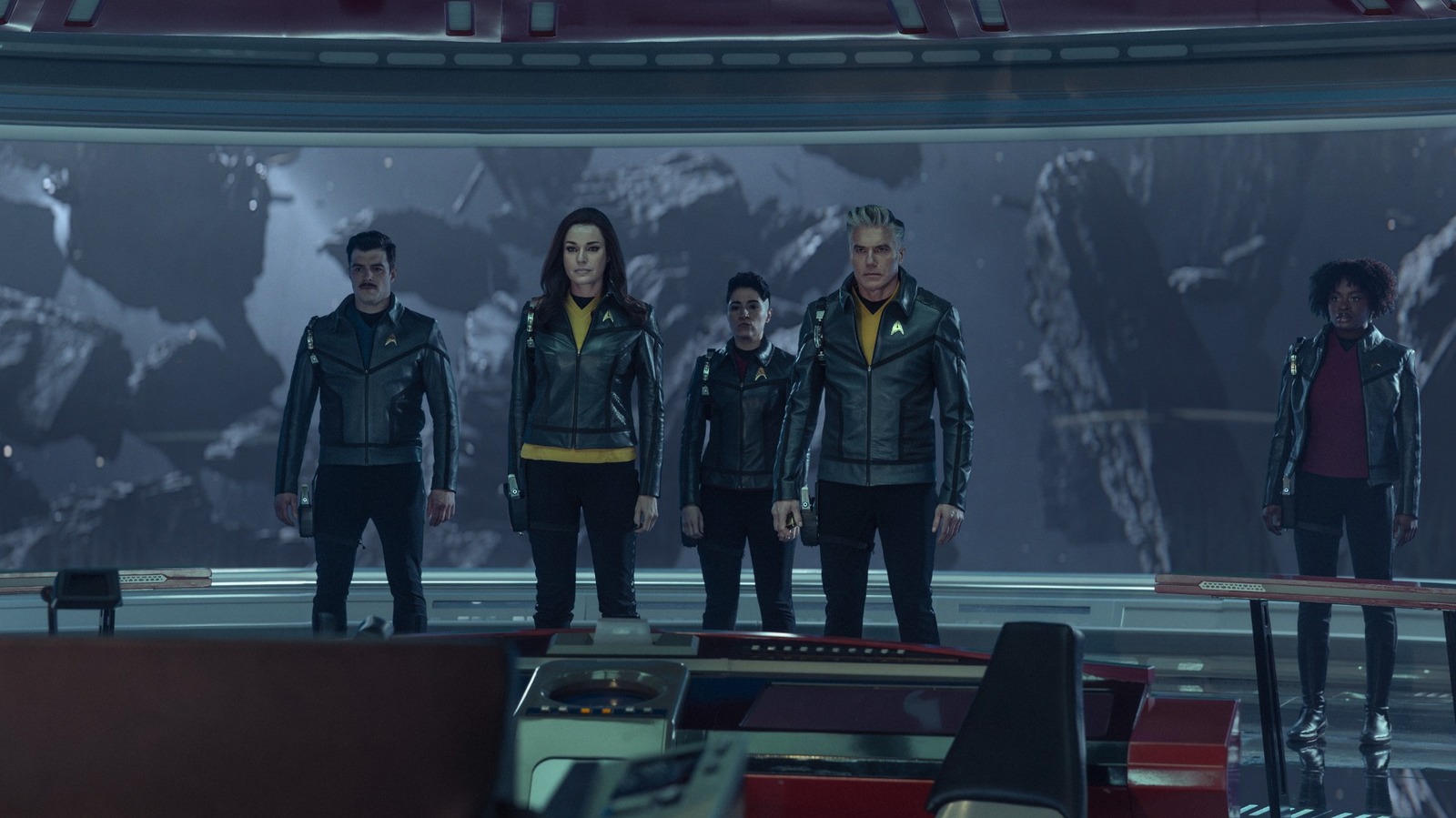
A recurring critique of the current season is that the show spends too much time explaining its premise rather than exploring it. When an episode leans into a specific genre trope—whether it be a musical, a courtroom drama, or a comedic parody—the writing often feels insecure, as if the creators fear the audience won’t "get it." This leads to exposition-heavy dialogue that saps the energy from what should be lighthearted or experimental fun.
The Gore Factor
The influence of executive producer Alex Kurtzman remains a polarizing topic. Season four continues the trend of integrating visceral body horror, which stands in stark contrast to the optimistic, family-friendly ethos of the classic Star Trek era. For a show that many families hope to watch together, the sudden, graphic nature of certain episodes represents a tonal mismatch that leaves the viewer feeling alienated.
The Kirk Enigma
Perhaps the most vocal criticism involves the persistent presence of Paul Wesley’s Jim Kirk. While Wesley delivers a competent performance, his recurring appearances have become a logistical and narrative headache. It creates a "sideline effect," where Captain Pike—the central figure of the series—is frequently pushed to the periphery to accommodate a character whose story is already well-documented. This creates a sense of narrative redundancy that frustrates viewers invested in the specific arc of the USS Enterprise crew under Pike’s command.
Official Responses and Creative Context
While Paramount has remained largely tight-lipped regarding the specific creative disputes behind the scenes, the showrunners have consistently defended their "big swing" philosophy. In various press junkets, the production team has emphasized that the nature of Strange New Worlds is inherently experimental. They argue that Star Trek was never meant to be a static entity and that the blending of genres is a direct homage to the original series’ tendency to shift tones from episode to episode.
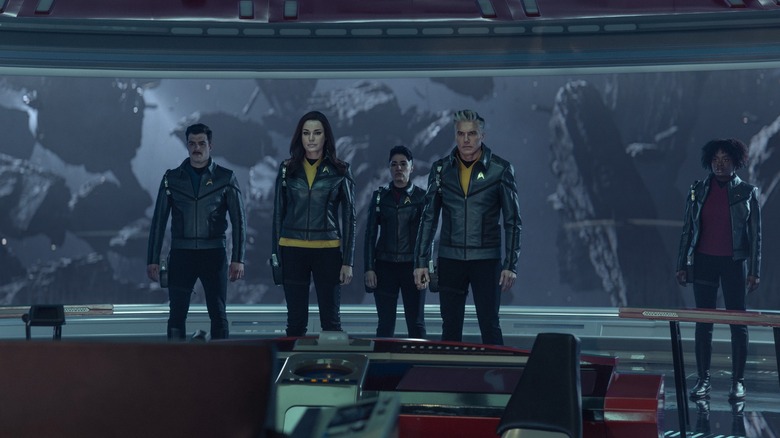
Regarding the inclusion of darker, more graphic themes, representatives for the production have noted that modern television audiences have evolved, and the franchise must reflect contemporary standards of drama and stakes. The goal, they maintain, is to keep the franchise relevant by refusing to let it become a museum piece.
Implications: The Future of the Franchise
The implications of Strange New Worlds’ current trajectory are significant for the broader Star Trek universe.
A Crossroads for Modern Trek
If Strange New Worlds continues to lean into its most divisive elements—specifically the tonal dissonance and the sidelining of its protagonist—it risks alienating the core fanbase that kept the show afloat during its initial years. Conversely, if the series can reign in its desire to over-explain its creative risks, it has the potential to deliver some of the best television in the franchise’s six-decade history.
The "Standout" Hope
Despite the criticisms, the show remains capable of moments of sheer brilliance. The sixth episode of the current season is widely viewed as a masterpiece of the genre—a tense, high-stakes thriller that proves the creative team is still capable of greatness. The inclusion of subtle cultural nods, such as the homage to the Scottish comedy Burnistoun, suggests that the show still possesses a heart and a sense of playfulness that is entirely its own.
The Final Outlook
As the series moves toward its endgame, the outlook is bittersweet. Fans are encouraged to enjoy the ride while it lasts, as there is no guarantee that a series of this caliber—with its high production values and adventurous spirit—will return to this specific corner of the Star Trek timeline for some time. The show is, and likely always will be, a messy, beautiful, and deeply flawed experiment. It is a series that captures the essence of exploration, not just through the eyes of its characters, but through its own willingness to fail spectacularly in pursuit of something new.
For now, Strange New Worlds remains the best live-action Star Trek of the streaming era, even if it is currently stumbling through its own identity crisis. Whether it regains its footing before the final credits roll remains to be seen, but for those who value the spirit of discovery, it remains an essential—if occasionally frustrating—viewing experience.