The October Catalyst: How Game Jams Are Defining the Future of Indie Development
As the nights grow longer and the autumn chill sets in, the global independent game development community is experiencing its annual surge of creativity. October has long been the spiritual home of the "spooky season," but for the developers on itch.io, it represents something far more profound: a concentrated period of rapid prototyping, collaborative experimentation, and artistic output.
The current landscape of game jams on the platform reflects a sophisticated evolution in how indie developers approach their craft. From horror-centric narrative experiences to complex procedural generation engines and experimental soundtrack compositions, the upcoming slate of events offers a comprehensive look at the cutting edge of digital entertainment.
The Main Facts: A Diverse Palette of Challenges
Game jams have evolved from simple "game-in-a-weekend" challenges into vital incubators for the industry. They serve as a low-stakes, high-reward environment where developers can test mechanics, iterate on narrative concepts, and build professional portfolios.
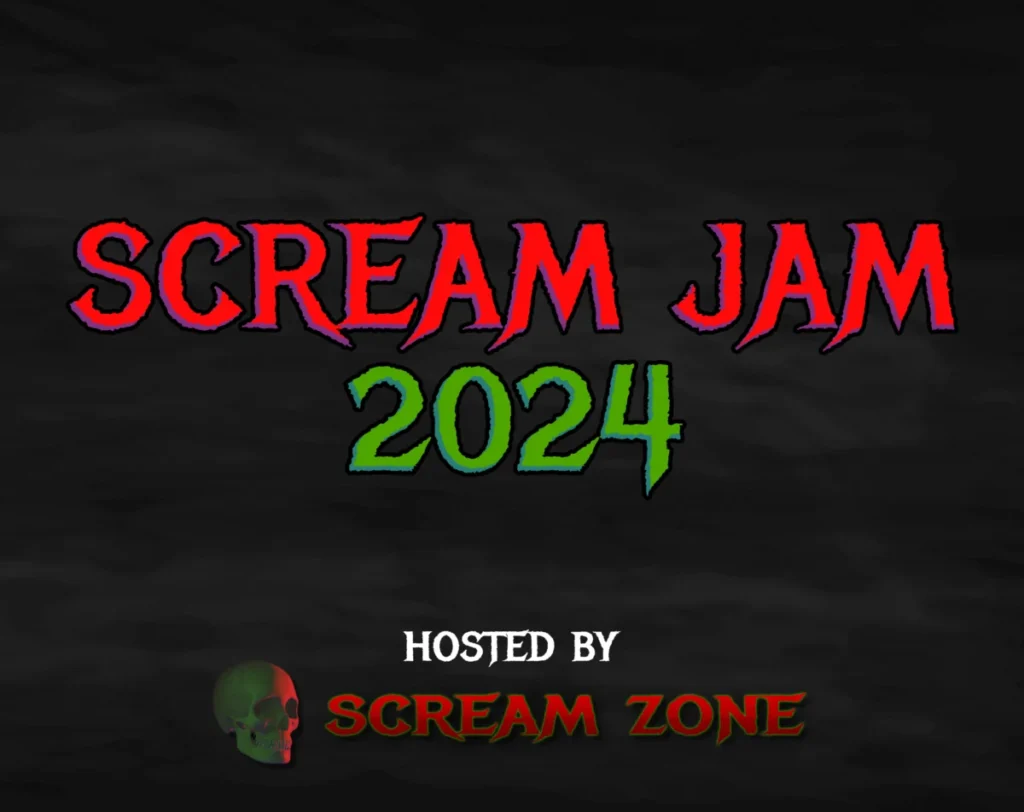
This October, the itch.io platform is hosting a diverse array of events designed to challenge specific skill sets. The flagship event, SCREAM JAM 2024, represents the industry’s most significant horror-themed jam, inviting creators to explore the psychological and visceral boundaries of the genre. Conversely, events like the OST Composing Jam [Sandbox] and PROCJAM 2024 move away from traditional game design to focus on the modular building blocks of digital experiences: music and generative logic.
These events are not merely competitions; they are community-driven workshops that facilitate networking, skill-sharing, and the rapid evolution of game design paradigms.
Chronology: Navigating the October Jam Schedule
For developers and enthusiasts looking to participate or track the progress of these projects, the month is tightly packed with milestones. The following timeline outlines the major events currently on the horizon:
- SCREAM JAM 2024 (Oct 16 – Oct 30): The centerpiece of the season. The development phase runs from October 16 to October 23, followed by a one-week community voting period ending on October 30.
- OST Composing Jam [Sandbox] (Oct 18 – Oct 27): A fast-paced, highly focused event. Development occurs between October 18 and October 20, with a week-long window for listeners and peers to evaluate the submissions.
- LSDJAM 2024 (Oct 21 – March 1, 2025): An outlier in terms of duration, this event encourages long-form development, allowing creators until the spring to perfect their surreal, dream-like experiences.
- PROCJAM 2024 (Oct 25 – Nov 4): A ten-day deep dive into the philosophy of "making things that make things." This event is specifically structured to be welcoming for newcomers while offering enough depth for seasoned procedural experts.
Supporting Data: The Scale of Modern Game Jams
The impact of these events can be quantified through recent performance metrics. The gaming community’s engagement with these platforms is at an all-time high, proving that the jam format is a sustainable model for content creation.
The recently concluded Spooktober 6th Annual Visual Novel Jam serves as a case study in scale. With 1,487 registered participants and 272 completed entries, the event demonstrated the power of niche-focused jams. When a platform provides a specific theme (Halloween-themed visual novels) and a structured timeframe (September 1 – October 1), it creates a critical mass of content that attracts players and developers alike.
Similarly, the Coffee Jam 2024, which focused on the intersection of "coffee" and the theme of the "sea," saw 47 distinct submissions. While smaller in scale, these focused jams demonstrate the high level of conceptual rigor participants bring to the table. The ability to pivot around a surprise theme—like the "sea" element—showcases the adaptability of modern indie developers.
Official Perspectives: The Value of Structured Creativity
Industry analysts and the itch.io community leadership often highlight that the primary value of a game jam lies in the "limitation-driven innovation." By imposing constraints—whether it be a time limit, a musical constraint, or a specific aesthetic mandate—developers are forced to innovate within the margins.
"The goal is to push the boundaries of creativity within a limited framework," notes the documentation for the OST Composing Jam. This philosophy permeates the entire jam ecosystem. When developers are restricted, they stop trying to build the "next big AAA title" and start focusing on the core "loop" or "feeling" of their game.
This approach has led to the discovery of new mechanics and narrative techniques that eventually migrate into commercial indie titles. The community interaction—evident in the comment sections of these jam pages—reveals a healthy feedback loop. Beginners are mentored by veterans, and cross-disciplinary teams (programmers pairing with musicians, for example) form spontaneously, often leading to long-term professional collaborations.
Implications for the Future of Indie Gaming
The success of the 2024 October jam cycle suggests a shift in how indie games will be developed in the coming years. We are seeing a move away from monolithic, multi-year development cycles toward a "jam-first" philosophy.
1. The Rise of Procedural and Generative Art
With the inclusion of PROCJAM 2024, the industry is signaling that procedural generation is no longer a niche technical skill but a core pillar of modern game design. As AI and generative tools become more accessible, the ability to build "things that make things" will become a defining skill for the next generation of developers.
2. Narrative-First Development
The massive turnout for the Spooktober Visual Novel Jam highlights that there is a massive, underserved market for high-quality, narrative-heavy, and non-action-oriented games. The success of these jams suggests that player interest is increasingly shifting toward deeply atmospheric and story-driven experiences.
3. Sustainability and Mental Health
The longer, more relaxed timelines of events like LSDJAM 2024 are a direct response to "jam burnout." By allowing participants to work over several months, organizers are fostering a culture that prioritizes the health of the developer over the speed of the output. This represents a mature evolution in the indie space, moving away from the "crunch" culture that has historically plagued the mainstream industry.
How to Get Involved
For those looking to transition from an observer to a creator, the process is intentionally democratized. The itch.io platform provides extensive resources, including the official guide on hosting your own game jam.
Whether you are a seasoned programmer looking to experiment with procedural generation or a composer wanting to test your skills in the OST sandbox, the barrier to entry has never been lower. The key, as emphasized by the community, is to start small, embrace the constraints, and focus on the joy of the process rather than the perfection of the final product.
As we move deeper into October, the flurry of activity on these pages serves as a reminder of the industry’s vitality. These games, often developed in just a few days, carry the raw, unfiltered energy of creativity that often gets lost in the polish of large-scale commercial development. They are the laboratory of the gaming world—and this month, that laboratory is more active than ever.
For those interested in exploring these titles, the itch.io jams calendar remains the primary resource for tracking ongoing submissions and community discussions. As the voting periods for the October events commence, the community is encouraged to provide constructive feedback, fostering a cycle of continuous improvement that keeps the indie spirit alive.