The Silicon Uprising: Robots, Repair Rights, and the Future of Human Labor
In an era defined by rapid technological acceleration, the boundaries between the digital and physical worlds are becoming increasingly porous. From the streets of Warsaw, where mechanical entities have taken to the pavement in a symbolic act of defiance, to the high-tech barns of the American Midwest and the nostalgic corners of home workshops, the narrative of the 21st century is being written in code, circuitry, and complex legal agreements. As we look at the state of technology this week, we find ourselves at a crossroads of labor ethics, ownership rights, and the preservation of digital culture.
The Silicon Uprising: Robots Take to the Streets
In a surreal scene that might have been plucked from the pages of science fiction, roughly 30 humanoid robots gathered in the heart of Warsaw, Poland, earlier this month. Organized to ignite a public discourse regarding the shifting landscape of the global labor market, the demonstration served as a stark, metallic mirror held up to the human workforce.
The Symbolism of Mechanical Protest
The demonstration was not merely a publicity stunt; it was a carefully choreographed performance designed to provoke. By placing robots in a traditional protest formation, organizers forced the public to confront the reality of automation. However, the irony of the event was not lost on observers. While the goal was to highlight the potential for AI-driven labor displacement, the act of marching and chanting—repetitive, monotonous tasks—is precisely the kind of drudgery that robotics are intended to alleviate.
The demonstration raised a critical question: If machines are capable of protesting their own utility, how do we define the value of human contribution in a post-labor economy?
When Technology Breaks: The Rise of Robotic "Ambulances"
As we integrate more humanoid robots into our daily infrastructure, the inevitability of mechanical failure becomes a primary concern. Should the protests in Warsaw or other deployments take a turn for the chaotic, there is a burgeoning industry ready to step in. A Japanese firm has recently debuted the world’s first "robot ambulance" service, a concept that fundamentally changes our approach to field maintenance.
Roadside Assistance for the Synthetic
Unlike a traditional emergency medical service, these robotic ambulances are essentially mobile repair clinics. They are equipped with the diagnostics and parts necessary to perform on-site triage for downed bots. The most disruptive aspect of this service is the "replacement" model: if a robot is too damaged to be repaired on the spot, the service unit arrives not just to haul away the "patient," but to drop off a spare, fully functional unit that can immediately step into the original’s role.
The implications here are profound. In a corporate environment, this creates a seamless, infinite loop of productivity. But it also hints at a future where, should human workers be replaced by such systems, the concept of "job security" could become entirely detached from the individual human worker and tied instead to the availability of a functional chassis.

The Right to Repair: A $120,000 Tug-of-War
While robots may be marching for their rights, human farmers are currently locked in a different kind of struggle—one concerning the right to repair the machinery that feeds the world. Recent demonstrations by John Deere, highlighting their "AI-driven DIY repair service," have drawn significant skepticism from the tech and agricultural communities.
The Performance of Repairability
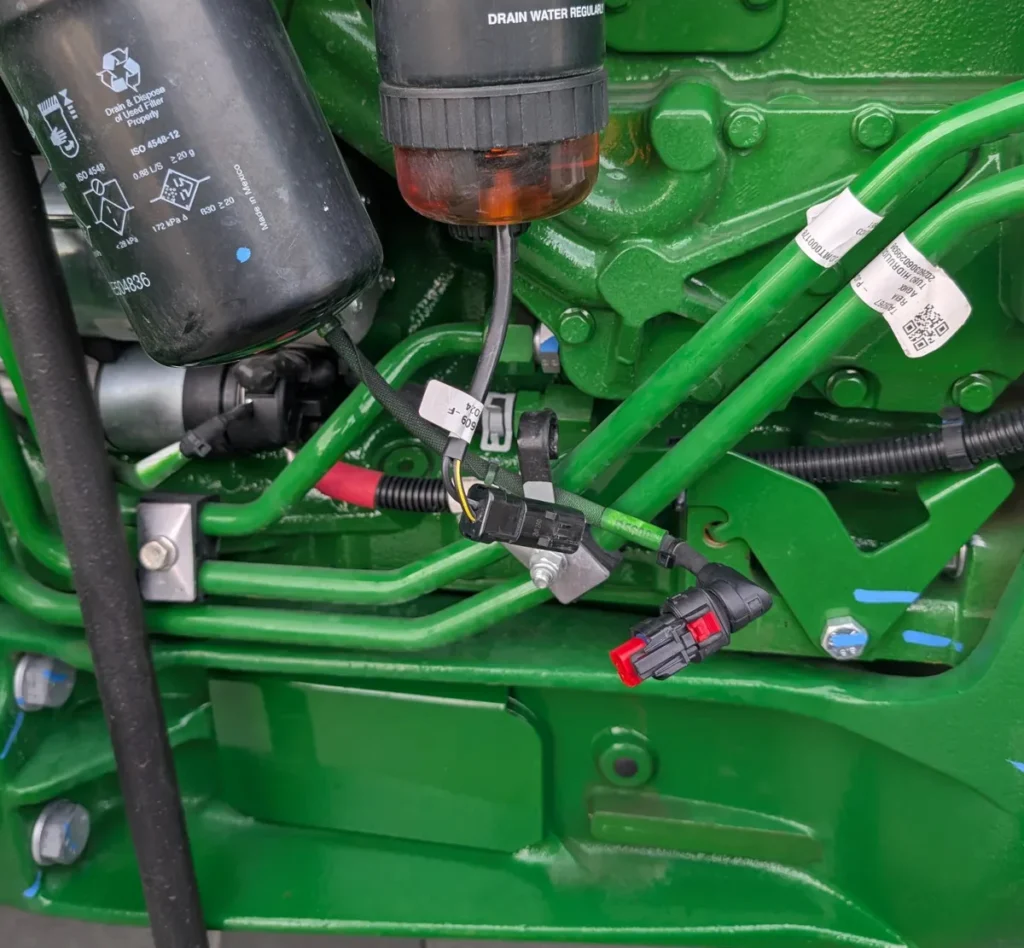
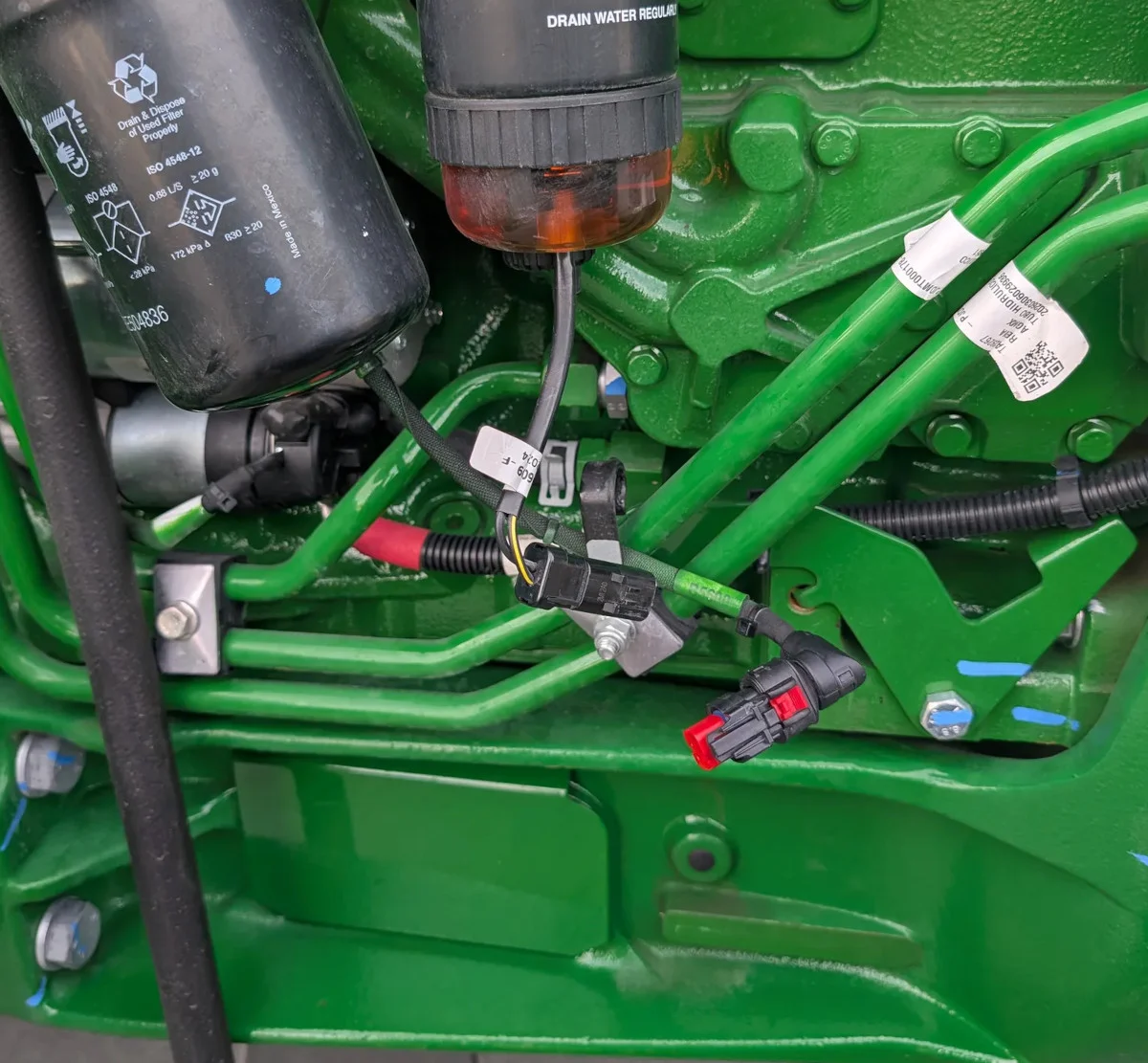
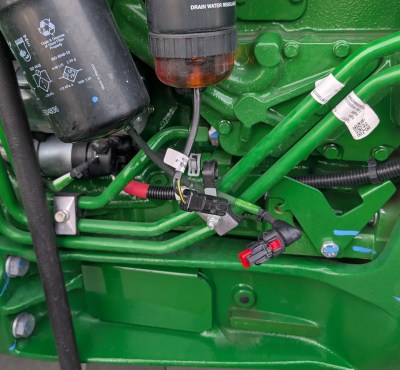
In a recent demonstration at John Deere’s corporate headquarters, industry analysts were invited to witness the company’s new self-repair software in action. The task: fix a $120,000 tractor displaying a generic error message. Using the proprietary software, the demonstrator identified a disconnected sensor, reconnected it, and resolved the issue.
While the company presented this as a triumph of accessibility, the tech community—particularly those in the "Right to Repair" movement—was less than impressed. Critics pointed out that a disconnected sensor is a triviality compared to the complex mechanical failures that farmers face during the high-stakes window of a harvest.
The Subscription Model Trap
Perhaps the most contentious point is the cost: the service carries a subscription fee starting at $195 per machine, per year. For farmers who have already invested six figures in equipment, the requirement to pay a recurring fee simply to access the diagnostic tools necessary to keep that equipment running has been met with, at best, frustration, and at worst, open mockery. The gap between what companies present as "repairability" and what the end-user actually requires remains a chasm that continues to fuel intense legal and legislative debates.
Preserving the Digital Past: Imaginary Software
Amidst the high-stakes drama of corporate repair monopolies and the looming specter of robotic automation, there is a quieter, more human side to our technological evolution. Recent projects, such as those cataloged by curator Terence Eden, explore the "arts and crafts" side of computing: the creation of "Imaginary Software."
Nostalgia and the Maker Culture
By taking obsolete 3.5-inch floppy disks and applying labels for fictional software—the kind of "war games" or "mainframe hacks" seen in 1980s cinema—makers are reclaiming the hardware of their youth. This is more than just a creative exercise; it is an act of cultural preservation.
In a world where software is increasingly ephemeral, locked behind cloud-based subscriptions and "always-online" requirements, the act of holding a physical disk—even a fake one—reminds us of an era when the user had total, local control over their digital environment. It serves as a stark reminder of the "hero nerds" who inspired a generation to build, tinker, and understand the machines that now, for better or worse, govern our modern existence.
Implications: The Future of the Human-Machine Symbiosis
As we synthesize these disparate events, a clear picture emerges. We are entering an age where the distinction between "tool" and "agent" is dissolving.
The Economic Shift
The robot protests in Warsaw signify the beginning of a societal transition. We must prepare for a labor market where the "worker" is a depreciating asset that requires a "robot ambulance" to remain profitable. As corporations like John Deere move toward subscription-based ownership, we are seeing the commodification of the repair process itself, turning maintenance into a recurring revenue stream rather than a right of ownership.
The Human Response
The resilience of the hacker and maker community—those who refuse to let the "black box" nature of modern technology deter them—is our best defense against a future of total technological enclosure. Whether it is by fighting for the right to repair our own tractors or by celebrating the tactile history of computing through art, the human element remains the essential check against total automation.
The robots may be marching in Warsaw, and the corporations may be locking down their diagnostic software, but the spirit of innovation remains firmly in the hands of those who are willing to look under the hood, question the subscription models, and demand a seat at the table of the future.
As we move toward 2027 and beyond, the most important "repair" we might need to perform is not on a tractor or a humanoid bot, but on the societal contract that governs how we use, own, and interact with the technology that defines our lives. The demonstration in Warsaw was just the start of a much larger conversation—a conversation that will, eventually, require us to define exactly what it means to be human in a world that is becoming increasingly artificial.
For now, we watch, we tinker, and we wait to see what the next firmware update—or the next protest—will bring.