The Stylus Paradigm Shift: Apple Pencil Comes to the iPhone Duo
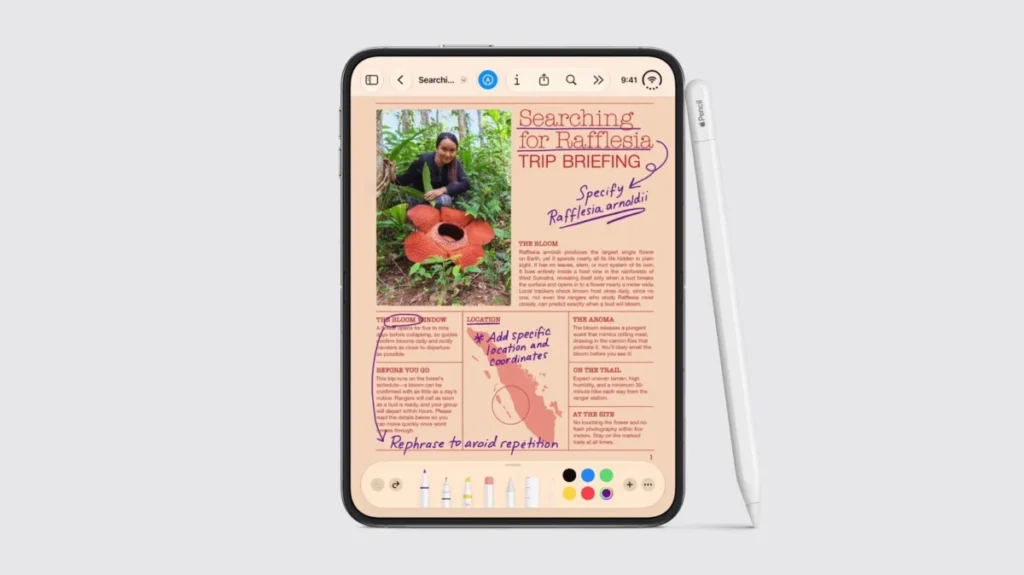
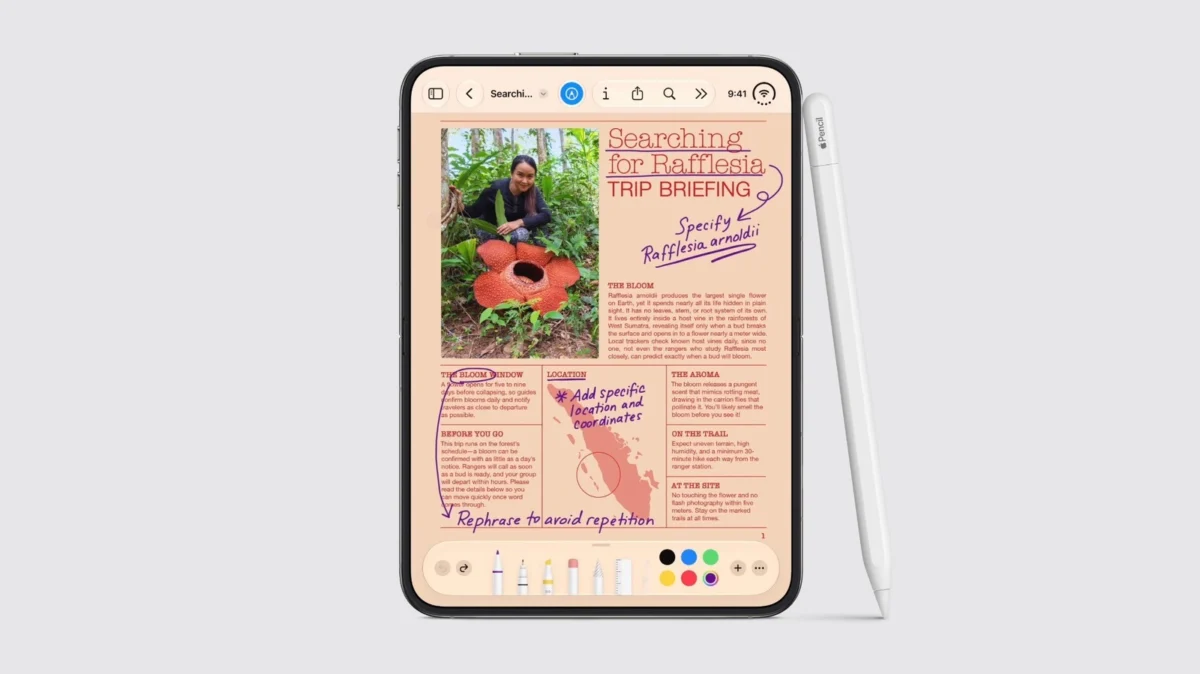
For over a decade, the Apple Pencil was the exclusive domain of the iPad. It was a peripheral defined by its boundary: a tool for creators, students, and professionals that strictly existed within the tablet ecosystem. When Steve Jobs famously derided the stylus in 2007, he likely couldn’t have predicted a future where Apple would embrace the input method so thoroughly. Today, that boundary has officially dissolved. With the unveiling of the revolutionary iPhone Duo, Apple has finally brought the Apple Pencil to its flagship smartphone, marking one of the most significant shifts in the company’s hardware philosophy.
However, this newfound utility comes with a complex web of technical caveats, compatibility hurdles, and strategic design choices that leave power users both excited and frustrated.
The Main Facts: Bridging the Gap
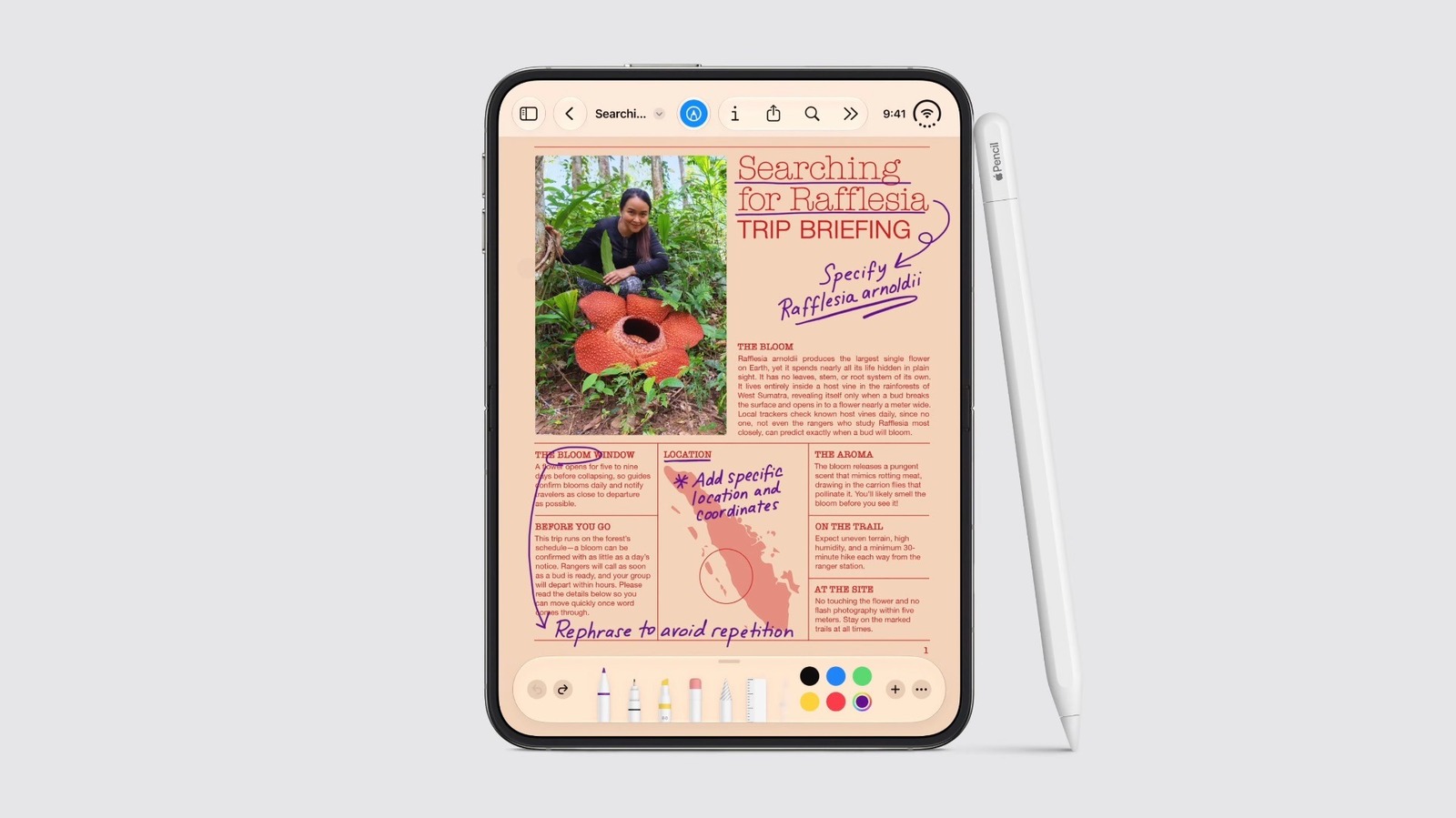
The introduction of the iPhone Duo—a foldable device that pushes the boundaries of Apple’s traditional smartphone form factor—has necessitated a reevaluation of the company’s input strategy. For the first time in the history of the iPhone, users can utilize an Apple Pencil to interact with their screen.
This integration is not universal. It is restricted exclusively to the iPhone Duo, Apple’s premium foldable offering. The feature enables precise drawing, handwriting, and annotation across both the expansive interior display and the exterior cover screen. Yet, the implementation is far from seamless. Unlike the iPad experience, where the Pencil is a "grab-and-go" accessory, the iPhone Duo’s implementation requires specific hardware, dedicated software updates, and a departure from the magnetic charging ecosystem that users have grown accustomed to.
A Brief Chronology of Apple’s Stylus Philosophy
To understand the gravity of this move, one must look at the timeline of Apple’s resistance and eventual surrender to the stylus:
- 2007: During the original iPhone launch, Steve Jobs famously declared, "Who wants a stylus? You have to get ’em, put ’em away, you lose ’em. Yuck. Nobody wants a stylus." This became a foundational pillar of Apple’s user interface design.
- 2015: Apple introduced the first-generation Apple Pencil alongside the iPad Pro. It was framed as an "advanced tool" for artists, not a replacement for touch input.
- 2018–2023: The Apple Pencil became the gold standard for tablet input, iterating through USB-C, magnetic wireless charging, and pressure-sensitive Pro models. Throughout this period, Apple steadfastly refused to bring the technology to the iPhone, citing "ergonomic and screen-size limitations."
- 2024 (The Present): With the announcement of the iPhone Duo, Apple pivots. The internal logic has shifted: as the iPhone display has grown to rival small tablets, the case for a precision input tool has become impossible to ignore.
Technical Specifications and Limitations
The most jarring aspect of this launch is the hardware compatibility. While users might expect the latest Apple Pencil Pro to work with their cutting-edge iPhone Duo, the reality is more restrictive.
The USB-C Mandate
Currently, only the Apple Pencil (USB-C) is compatible with the iPhone Duo. Users who have invested in the Apple Pencil 2 or the Apple Pencil Pro will find their devices incompatible. This decision appears to be rooted in the physical architecture of the iPhone Duo. The device lacks the specific magnetic induction coils required to charge the higher-end pencils wirelessly.
Because the iPhone Duo cannot magnetically snap onto the side of the device to charge or pair, users are forced to rely on a wired connection. This involves plugging the Pencil into the iPhone via a USB-C cable to initiate pairing—a process that feels distinctly un-Apple in its lack of "magic."
The Software Lag
The feature is not available out of the box. While the iPhone Duo is set to launch in October, Apple has confirmed that Pencil support will arrive via a subsequent iOS update, likely iOS 27.2, expected in November. This "soft launch" suggests that the software optimization for palm rejection and latency on the foldable screen is still undergoing final refinements.
Supporting Data: Why the Move Now?
Market analysts point to the rise of foldable competitors from Samsung and Google as the primary driver behind this decision. The Samsung Galaxy Z Fold series has long marketed its "S-Pen" integration as a core productivity feature. By ignoring this segment, Apple was effectively ceding the "phablet-as-a-workstation" market to its rivals.
Internal data from Apple suggests that a significant percentage of iPad Pro users cite "note-taking and sketching" as their primary use case. By bringing the Apple Pencil to the iPhone Duo, Apple is attempting to collapse the distance between the pocket-sized phone and the portable tablet. The dual-screen functionality allows for a "multitasking-first" workflow: users can have a reference app open on the outer screen while using the Pencil on the large, unfolded inner display.
Official Responses and Strategic Implications
Apple’s official stance remains characteristically guarded. In a press statement, a company spokesperson noted, "The iPhone Duo represents a new category of device. By integrating the Apple Pencil, we are providing a canvas that is as mobile as it is powerful, allowing for a level of precision that touch alone cannot achieve."
Implications for the Ecosystem
The decision has profound implications for the future of the iOS ecosystem:
- The "Pro" Designation: This move effectively pushes the iPhone Duo further into the "Pro" category. It suggests that in the future, we may see a bifurcation in the iPhone lineup: "standard" iPhones for consumption and "Duo/Pro" models for creation.
- App Developer Burden: Developers must now account for a new variable in their interface designs. Apps that previously only had to consider touch and gesture inputs must now optimize for the precise, high-latency-free interaction of the Apple Pencil. This will likely lead to a new wave of "Apple Pencil-optimized" applications in the App Store.
- The "Carry" Problem: The most significant hurdle remains the physical form factor. Unlike the iPad, which has a dedicated case to hold the Pencil, the iPhone Duo does not have a native "garage" or slot for the stylus. This creates a secondary market opportunity for accessory makers, but it also creates a user experience issue: where does the pencil go when you’re on the go?
The Road Ahead
While the integration of the Apple Pencil into the iPhone Duo is currently a niche, high-friction experience, it is undeniably a historic milestone. It signals that Apple is no longer strictly adhering to the "no stylus" dogma of its early days. Instead, it is adopting a more pragmatic, function-first approach.
For the power user, this is a long-awaited victory. For the casual user, it serves as a reminder that the iPhone is rapidly evolving into a desktop-class machine that happens to fit in a pocket. As the hardware matures and future iterations of the iPhone Duo potentially solve the magnetic charging dilemma, the Apple Pencil may eventually become as standard an iPhone accessory as the charging cable itself.
For now, the message from Cupertino is clear: the iPhone is no longer just for swiping—it is for creating, editing, and sketching. Whether the world is ready to carry a stylus in their pocket alongside their phone remains to be seen, but the option is finally, officially, on the table.