The Weekly Linux Pulse: GNOME Transitions, Patent Milestones, and the Shifting Landscape of Open Source
The Linux ecosystem is currently navigating a period of significant structural and philosophical transition. From the long-awaited expiration of legacy multimedia patents to internal shifts within the GNOME Foundation and the ongoing debate regarding the role of AI in kernel development, the FOSS (Free and Open Source Software) community remains as vibrant—and as complex—as ever. This week’s dispatch covers the critical developments shaping our digital landscape, offering a comprehensive look at the news, the technical breakthroughs, and the shifting paradigms that define the modern Linux experience.

I. Main Facts: A Week of Significant Milestones
The End of an Era for MPEG-4
In a development that signals the final sunset of a major proprietary hurdle, the MPEG-4 Visual standard is now entirely patent-free. Following the expiration of the last remaining patent held by Siemens AG in Brazil, this codec—a cornerstone of digital video for decades—has transitioned fully into the public domain. This shift lowers the barrier to entry for developers building video processing tools, ensuring that open-source implementations can operate without the shadow of legal infringement.

GNOME’s Security Crossroads
The GNOME Project, one of the most visible pillars of the Linux desktop, faces a critical staffing bottleneck. Since 2020, the entirety of GNOME’s security tracking operations has rested on the shoulders of a single individual. With that maintainer slated to depart in December, the Foundation is currently in a state of “managed limbo.” While the transition is not an immediate crisis, it necessitates a modernization of the project’s security infrastructure to ensure that future oversight is scalable and robust rather than reliant on a single point of failure.

Leadership Friction at Jellyfin
The open-source media server community is watching closely as Jellyfin grapples with a leadership crisis. As one of the most popular alternatives to proprietary solutions like Plex, Jellyfin’s stability is vital to thousands of homelab enthusiasts. The current administrative tension has prompted community concerns regarding the project’s long-term roadmap and governance, highlighting the inherent challenges of managing large-scale, volunteer-driven software projects.
II. Chronology of Developments: From Kernel Debates to Corporate Lock-in
The AI Integration Debate (2021–2026)
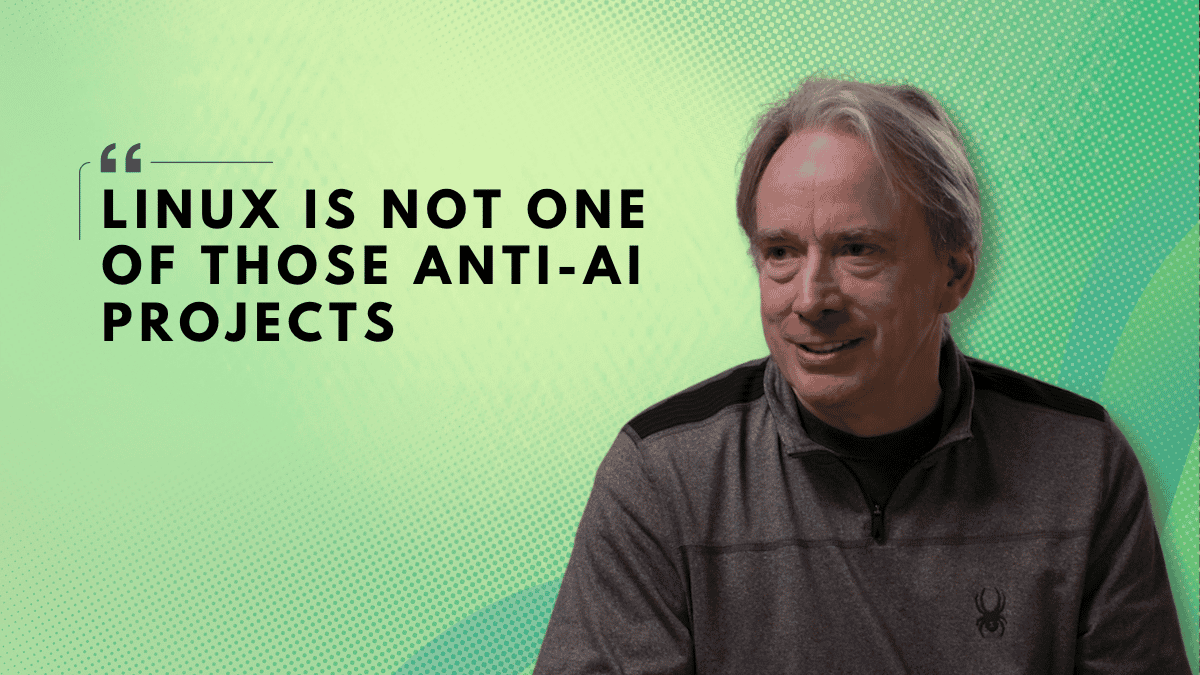
Three years ago, Linus Torvalds infamously dismissed the rise of AI as "90 percent marketing." However, the industry’s trajectory has forced a pragmatic reckoning. Last week, that sentiment reached a boiling point when Torvalds issued a firm ultimatum to kernel developers resistant to AI-assisted workflows: "fork it or walk away." This marks a historical turning point where AI has transitioned from a buzzword to a standard tool within the Linux kernel development kit.

The Document Foundation’s Stance on Microsoft
The Document Foundation (TDF) has released a pointed analysis regarding the persistent dominance of Microsoft’s proprietary formats (DOCX, XLSX, PPTX). The TDF argues that these formats function as a "lock-in tool" not through explicit bans, but through "formatting friction." By ensuring that documents created in Microsoft Office appear subtly misaligned in competing suites, the format creates an artificial barrier that discourages organizations from adopting open-source alternatives like LibreOffice.
The Promise of Open Source at X
Elon Musk has once again stated that X (formerly Twitter) intends to transition its entire codebase to an open-source model, pending a security review by xAI. While this announcement has generated excitement, it is tempered by a history of unfulfilled promises regarding the platform’s transparency. The community remains cautiously optimistic, awaiting concrete action rather than rhetoric.

III. Supporting Data: Technical Gains and Performance Metrics
FFmpeg Performance Boosts
For power users and developers working with high-end hardware, FFmpeg has received a significant performance optimization. By leveraging AVX-512 instructions on Zen 4 and newer AMD architectures, the conversion process from RGB24 to RGBA is now 1.372x faster. This is a substantial gain for video production workflows, demonstrating how targeted optimization continues to squeeze more efficiency out of modern silicon.
Vocalinux 0.14 Beta
The latest release of Vocalinux brings meaningful improvements to the user experience, specifically addressing long-standing pain points. Key updates include:

- Custom Recording Shortcuts: Improving accessibility for content creators.
- Wayland Text Injection: Fixing persistent bugs within the GNOME environment.
- Thermal Efficiency: Better CPU management for users on hybrid-architecture laptops.
While testers have reported minor stability issues—expected in beta software—the release marks a significant step forward for the project’s usability.
IV. Official Responses and Industry Implications
The GNOME OS "Safe Mode" Initiative
Responding to the need for better system recovery, GNOME developers have announced the implementation of a "Safe Mode" for GNOME OS. This feature will allow users to troubleshoot boot-level issues without needing to resort to command-line recovery environments. By providing a graphical interface for diagnostics, the project aims to make the Linux desktop more resilient for non-technical users.
The "Intern" Paradigm
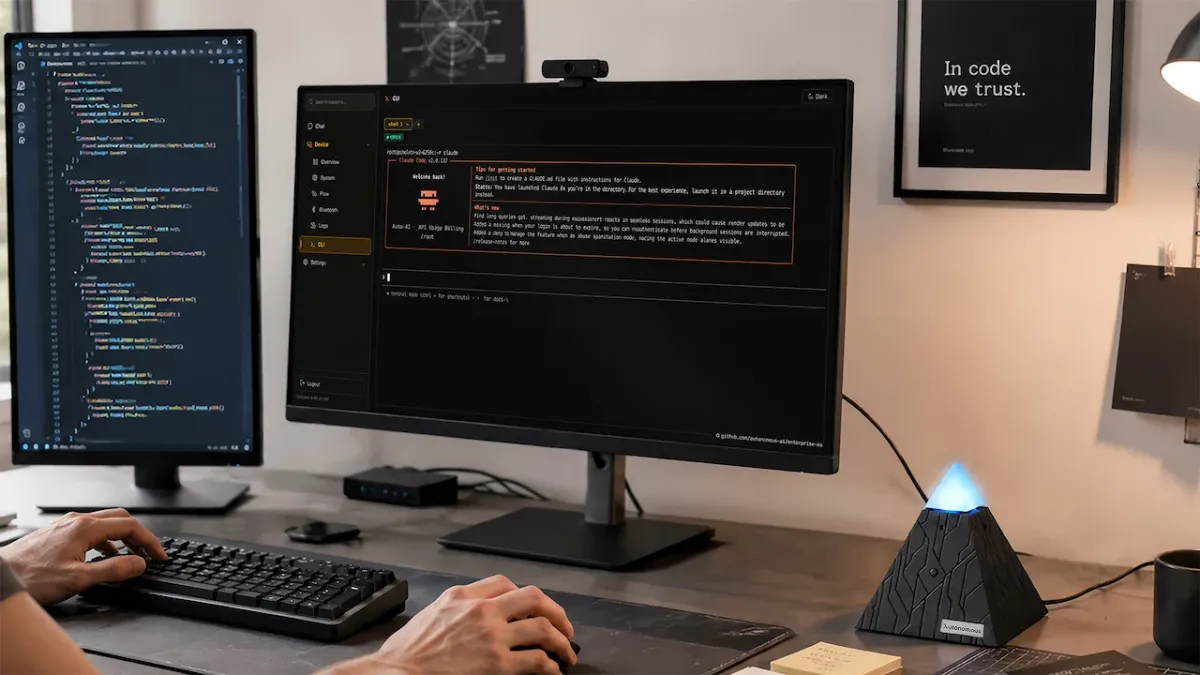
Hardware innovation in the FOSS space is increasingly colliding with the AI revolution. The release of the "Autonomous Intern 2," a desktop-based AI agent housed in a pyramid-shaped Orange Pi 4 Pro, signals a shift toward physical AI hardware. This device—which runs pre-loaded models like OpenClaw or Hermes—represents the trend of bringing high-level AI capabilities to the local homelab, allowing users to move away from cloud-dependent AI services.

V. Implications: The Path Forward for the FOSS Community
The "My Computer" Philosophy
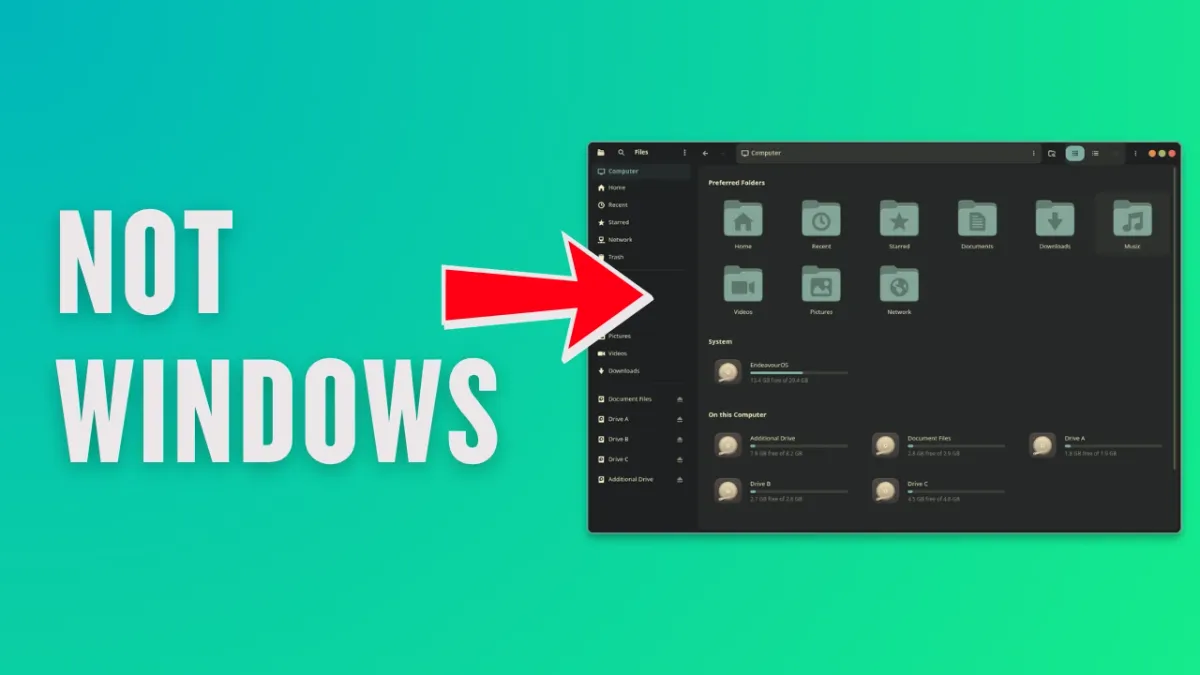
The recent removal of the "Other Locations" tab in Nautilus sparked a developer-led revolt, resulting in the creation of a "My Computer" plugin. This underscores a recurring tension in the Linux ecosystem: the friction between a streamlined, minimalist design philosophy and the functional requirements of long-term users. The success of this plugin serves as a reminder that the modular nature of Linux remains its greatest strength.
The Importance of Education
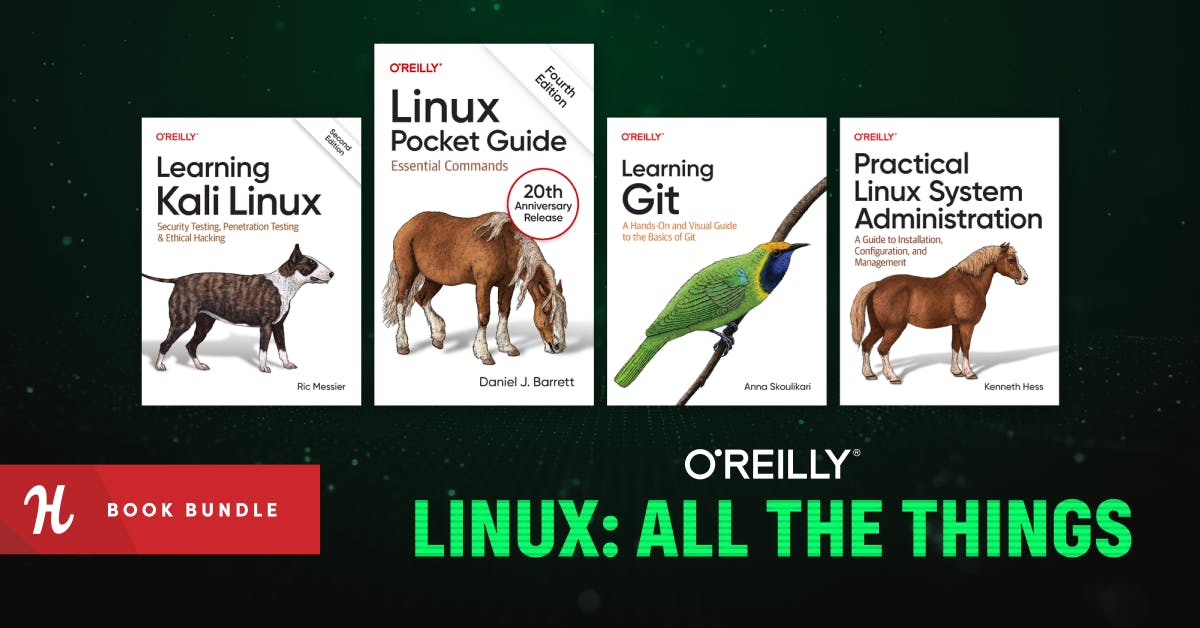
As the community evolves, the need for robust documentation and learning resources remains constant. With the current Humble Bundle O’Reilly collection—covering everything from kernel internals to shell scripting—the ecosystem is attempting to bridge the gap between novice users and system-level experts. The donation of proceeds to Code for America further reinforces the community’s commitment to social good through technology.
Looking Ahead
The current state of Linux is defined by a paradox: while the software is more performant and feature-rich than ever, the governance of these projects is facing new pressures. Whether it is the need to fill the security void in GNOME, the internal strife at Jellyfin, or the broader societal debate on AI, the Linux community must rely on its core tenets of transparency and modularity.
The shift toward AI-assisted development is not merely a technical update; it is a fundamental change in how we interact with the code that runs the world. As we look toward the remainder of the year, the focus will likely remain on stability, security, and the persistent effort to ensure that the open-source movement remains a viable, independent alternative to the proprietary giants of the tech industry.

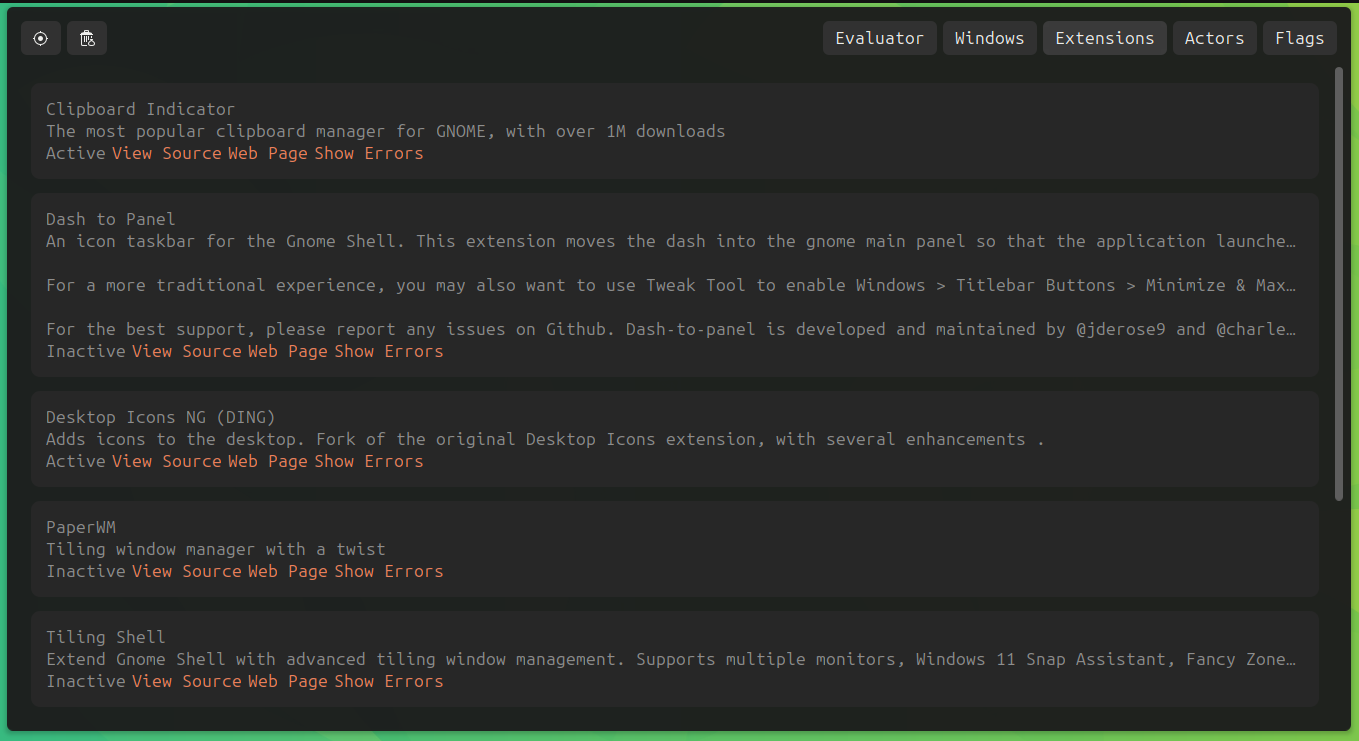
For those looking to get involved, whether by debugging GNOME with Looking Glass or contributing to the documentation for new NAS setups, the opportunities to shape the future of Linux have never been more accessible. The pulse of the Linux world remains strong, driven by the collective effort of thousands who believe that software should be free, secure, and—above all—built by the community, for the community.