Wired vs. Wireless Charging: The Definitive Guide to Battery Longevity
In the modern era, the smartphone has become an extension of the self. As we tether our lives to these devices, the health of the lithium-ion battery inside becomes a primary concern for longevity. A common point of contention among tech enthusiasts and casual users alike is the debate between wired and wireless charging. Is the convenience of "dropping and charging" worth the potential cost of degraded battery health over time?
The short answer is nuanced: while wired charging remains the gold standard for efficiency and thermal management, wireless charging is not inherently "bad." However, it does present unique challenges regarding heat dissipation and energy loss. Understanding the mechanics behind these two methods is the first step toward preserving your device’s lifespan.
The Mechanics: How Energy Moves Through Your Device
To understand why your phone warms up on a wireless pad, we must first look at how energy is transferred.
Wired Charging: The Direct Line
When you plug a USB-C or Lightning cable into your smartphone, you are completing a direct electrical circuit. Power travels from the wall outlet, through your power adapter (the "brick"), and directly into the phone’s Power Management Integrated Circuit (PMIC). This process is highly efficient, with minimal energy lost as heat, provided your charger and cable are of high quality.
Wireless Charging: The Electromagnetic Dance
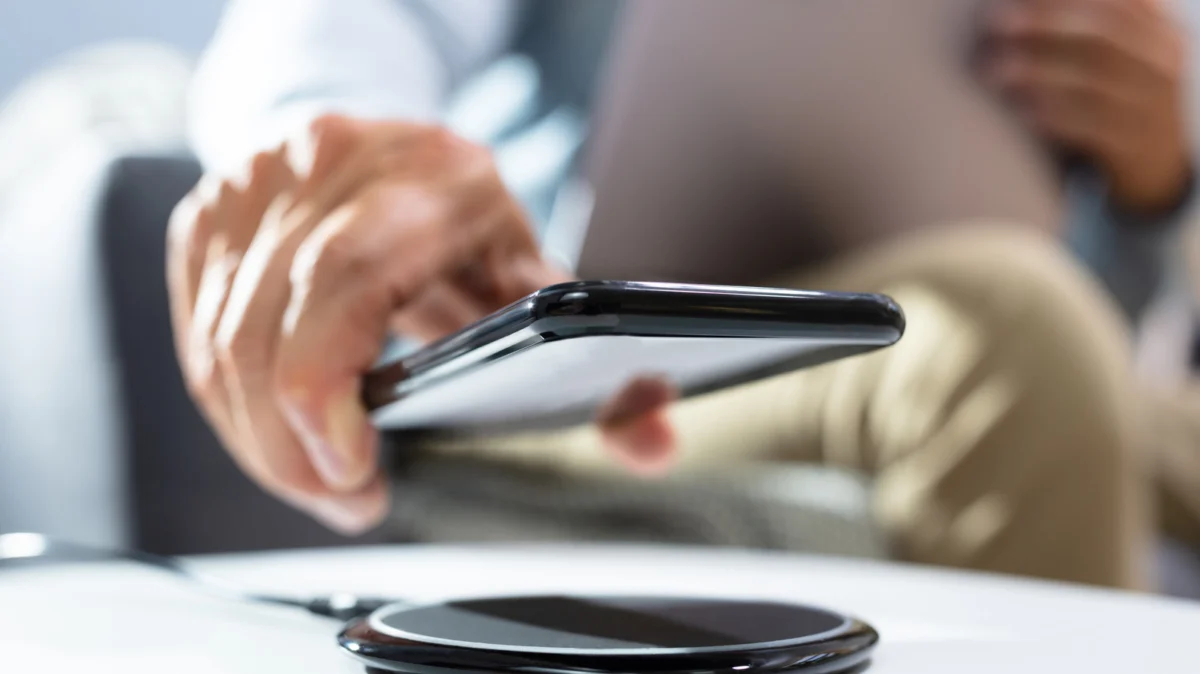
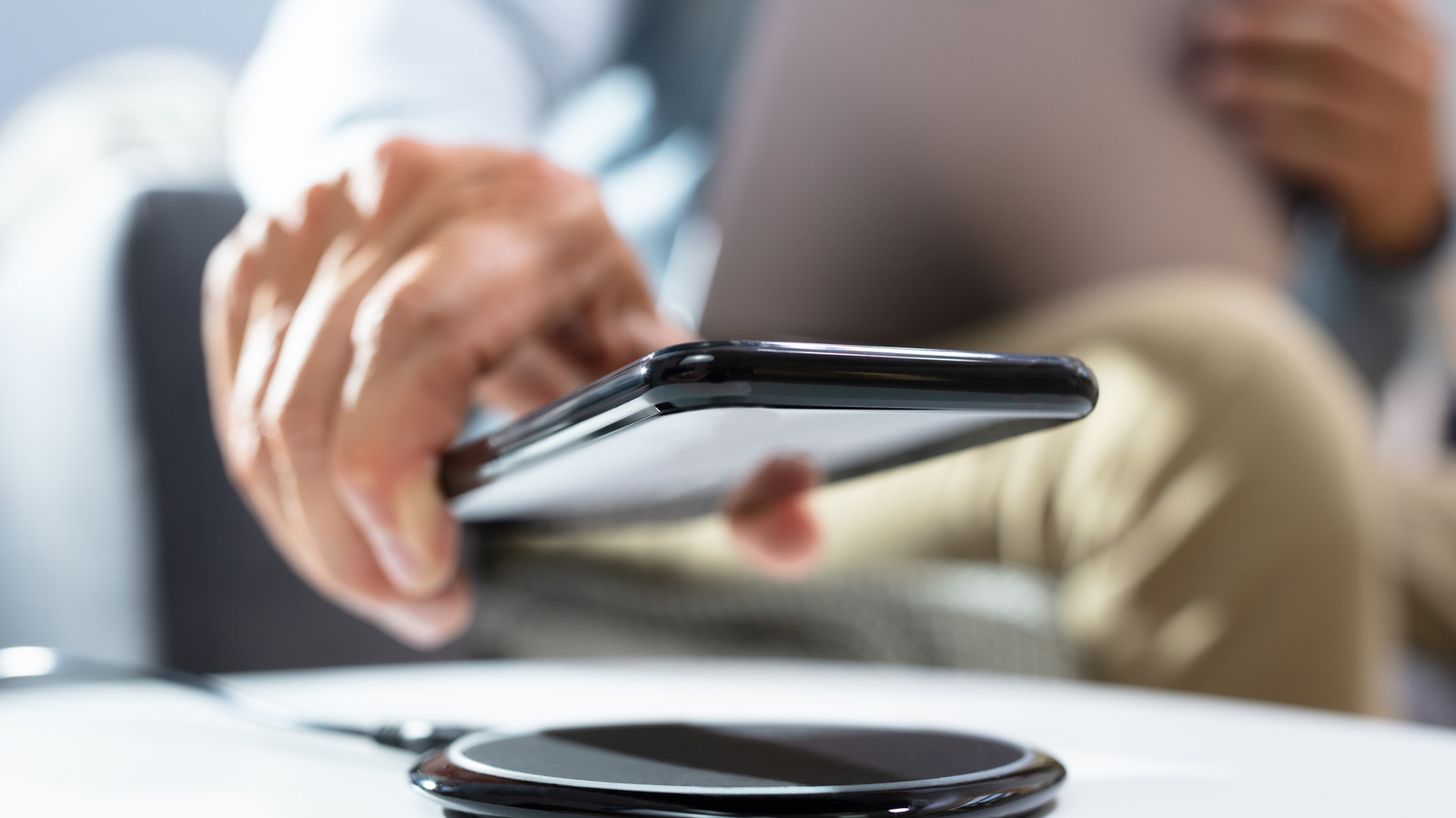
Wireless charging—specifically the Qi standard—operates on the principle of electromagnetic induction. A charging pad contains an internal coil that creates an oscillating magnetic field. When your phone is placed on the pad, a receiver coil inside the device captures that magnetic energy and converts it back into electricity to charge the battery.
This process is inherently less efficient. According to data from the Wireless Power Consortium (WPC), wireless charging can be up to 30 percent less efficient than wired charging. That missing energy does not simply vanish; it is converted into heat. This thermal byproduct is the primary enemy of lithium-ion batteries, which are notoriously sensitive to temperature fluctuations.
The Chronology of Charging Evolution
The evolution of charging has been a race toward both speed and convenience.
- The Early Days (Pre-2010s): Charging was almost exclusively wired, characterized by slow, 5W "slow-trickle" charging. Batteries were often removable, making longevity a secondary concern.
- The Rise of Fast Charging (2015–2018): As batteries grew in capacity, manufacturers introduced fast charging protocols. While this solved the "low battery anxiety" issue, it introduced new thermal management requirements for internal components.
- The Wireless Revolution (2017–Present): With the introduction of widespread Qi charging in flagship smartphones, users prioritized convenience. The Wireless Power Consortium (WPC) released the Qi2 standard, which incorporates magnetic alignment (similar to Apple’s MagSafe) to improve efficiency, though the thermal challenges of induction remain.
Supporting Data: Why Heat is the Silent Killer
The core issue with wireless charging is thermal degradation. Lithium-ion batteries function through chemical reactions that are highly temperature-sensitive.
The Heat Factor
Research consistently shows that high temperatures accelerate the degradation of the electrolyte within the battery. When a device sits on a wireless pad, both the pad and the phone generate heat. If this occurs daily, the cumulative effect can be significant. Studies suggest that in environments consistently exceeding 30°C (86°F), battery capacity can drop by up to 25 percent over two years. Even in standard conditions, frequent wireless charging can reduce a battery’s total capacity by 10 to 12 percent more than wired charging over the same period.
Efficiency Disparities
Wattage is a critical variable. Charging a phone on an old 5W power brick using a 25W-capable wireless pad is a recipe for inefficiency. The conversion process loses more energy as heat, causing the device to stay in a "warm" state for a longer duration. Conversely, using a high-wattage wired charger (e.g., 60W or higher) allows for rapid replenishment, minimizing the time the battery spends in a high-voltage, high-temperature state.
Official Perspectives and Industry Standards
Major manufacturers, including Apple, Samsung, and Google, have addressed these concerns through sophisticated software and hardware integration.
Thermal Throttling
Modern smartphones are equipped with "thermal throttling" protocols. When the internal sensors detect that the battery or the processor is reaching a critical temperature threshold, the phone will automatically slow down the charging speed or stop it entirely. This is a safety mechanism designed to prevent physical damage to the battery cells.
The Role of Qi2
The WPC’s Qi2 standard represents a major shift. By using magnets to perfectly align the coils, the system reduces "misalignment loss," which is one of the primary culprits for excessive heat generation. By ensuring the coils are perfectly centered, the efficiency of the energy transfer is maximized, resulting in less energy wasted as heat.
Apple’s Optimized Battery Charging
Apple has been at the forefront of software-based battery health management. Features like "Optimized Battery Charging" learn your daily routine, delaying the final charge from 80% to 100% until you are ready to wake up. This reduces the time the battery spends in a "stressed" state—fully charged and potentially warm—thereby extending the overall lifespan of the chemical cells.
Implications: Practical Advice for the Everyday User
If you want to maximize your phone’s battery health, you don’t necessarily have to abandon wireless charging. Instead, adopt a "hybrid approach."
1. Reserve Wired Charging for "Heavy Lifting"
When you need to go from 0% to 50% quickly, always use a wired connection. It is faster, more efficient, and generates significantly less heat during the rapid-charging phase.
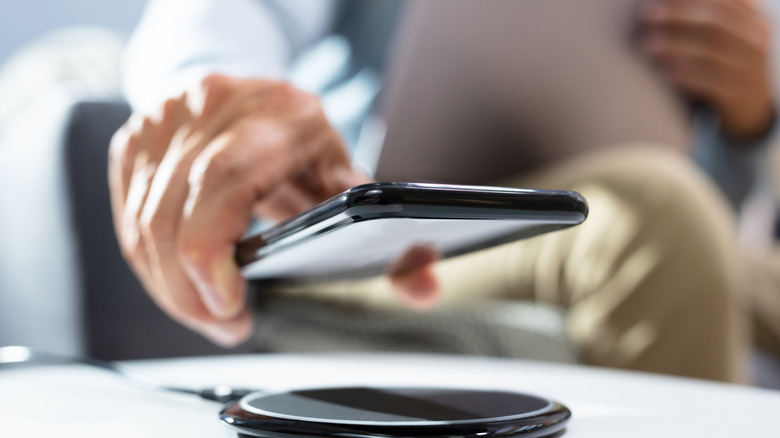
2. Use Wireless Charging for Maintenance
Wireless charging is best suited for "top-ups"—the small boosts you give your phone while sitting at your desk or while sleeping at night. Because the charge rate is often lower than high-speed wired charging, the battery is subjected to less electrical stress during these periods.
3. Avoid "Hot" Environments
Never charge your phone (wired or wireless) in direct sunlight or in a hot car. If your phone feels uncomfortably hot to the touch while charging, remove it from the pad or disconnect the cable until it cools down.
4. Remove the Case
Some thick, heavy-duty cases can trap heat generated by the wireless charging process. If your phone frequently hits thermal limits while charging, try removing the case to allow for better airflow and heat dissipation.
5. Stick to Certified Accessories
Always use chargers that carry the Qi or Qi2 certification. Cheap, third-party, or "knock-off" chargers often lack the sophisticated communication between the phone and the charger, which can lead to inefficient energy transfer and potentially dangerous overheating.
Conclusion
The debate between wired and wireless charging is not about which is "better" in a vacuum, but which is better for your specific usage pattern. Wired charging remains the king of efficiency and speed, making it the superior choice for preserving battery health over long periods. However, wireless charging offers a level of convenience that has undeniably improved the user experience.
By understanding that heat is the primary enemy of your battery, you can make informed decisions. Use the convenience of wireless charging for light, daily maintenance, and rely on the efficiency of wired charging when you need a quick, safe boost. With these habits, you can enjoy the best of both worlds without sacrificing the longevity of your device. In the end, technology is meant to serve us—and with a little bit of care, you can ensure your battery serves you for years to come.