Itch.io Evolution: A Deep Dive into the Latest Platform Overhaul
The digital landscape for independent game developers is constantly shifting, and itch.io remains at the forefront of this evolution. As a platform that prides itself on developer autonomy and accessibility, its latest series of updates—collectively announced in their most recent developer changelog—represents a significant leap forward in site usability, community management, and monetization efficiency.
From the introduction of a sophisticated Sale Explorer to a foundational restructuring of bundle hosting and Patreon integration, these updates address long-standing user feedback. This article explores the technical and practical implications of these changes, detailing how they reshape the experience for both creators and players.
The Core Updates: A Summary of Functionality
The itch.io development team has deployed a suite of enhancements designed to reduce friction for users navigating the platform’s vast library. The most notable updates include:
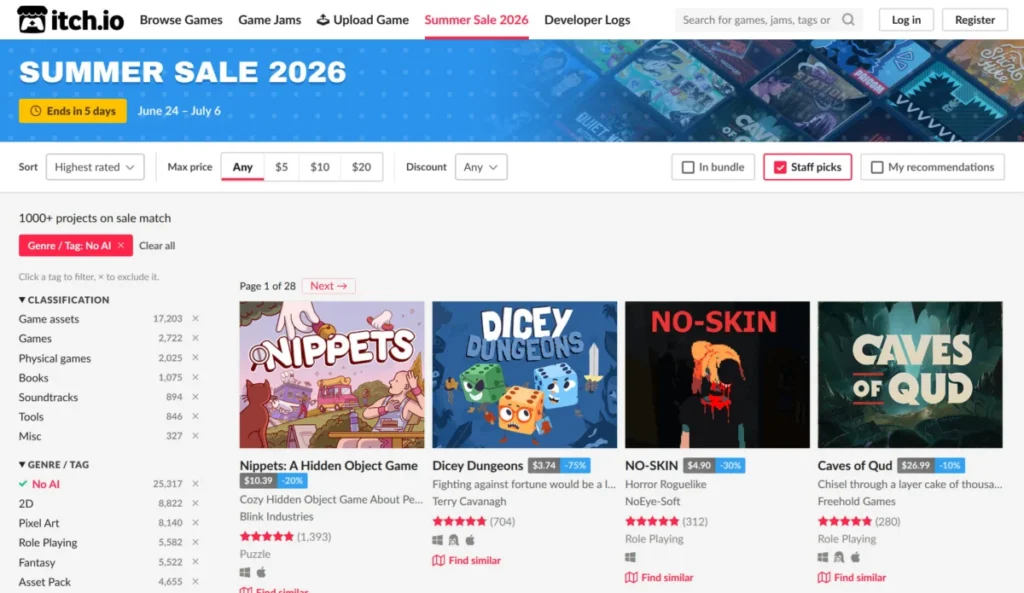
- The Sale Explorer: A new interface for browsing the site’s massive seasonal sales.
- Bundle Hosting Revamp: A complete architectural rewrite of how collaborative bundles are managed.
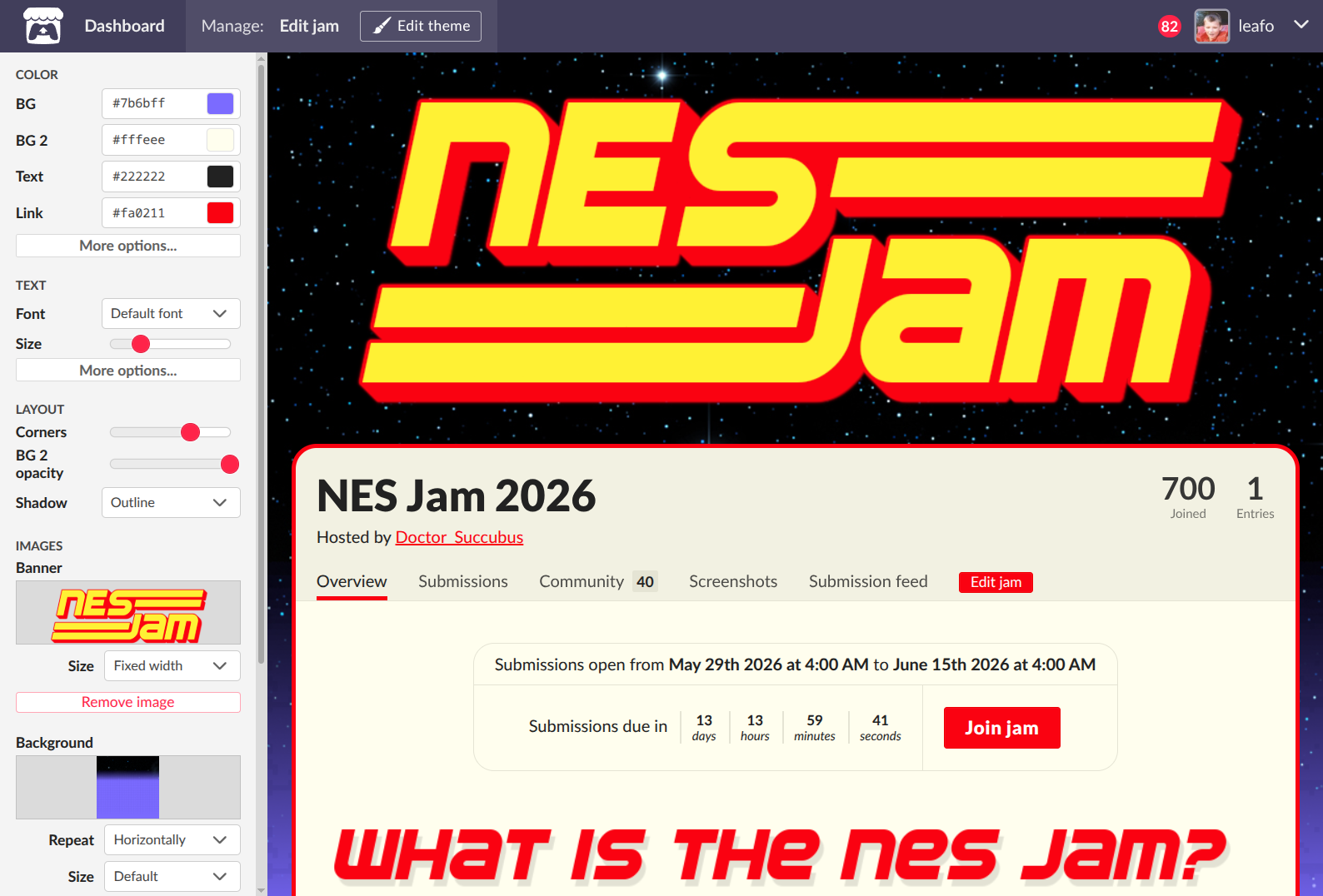
- Jam Theme Editor: A modernization of the game jam customization suite.
- Patreon Integration 2.0: A migration to the Patreon V2 API, offering tier-based access management.
These features aim to solve specific pain points: finding high-quality games amidst thousands of listings, managing complex collaborative revenue models, and ensuring that creators can reward their patrons without the logistical headaches of currency fluctuations.
Chronology of the Release
The rollout of these features follows a strategic timeline that aligns with the peak of the platform’s seasonal activity.
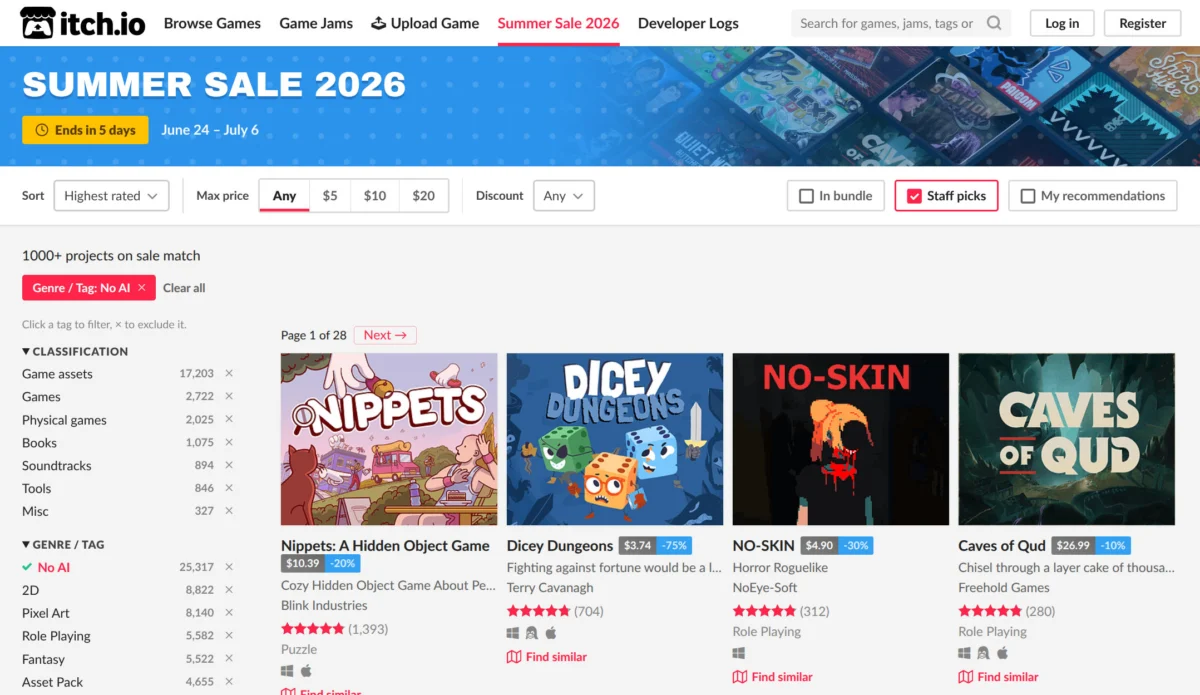
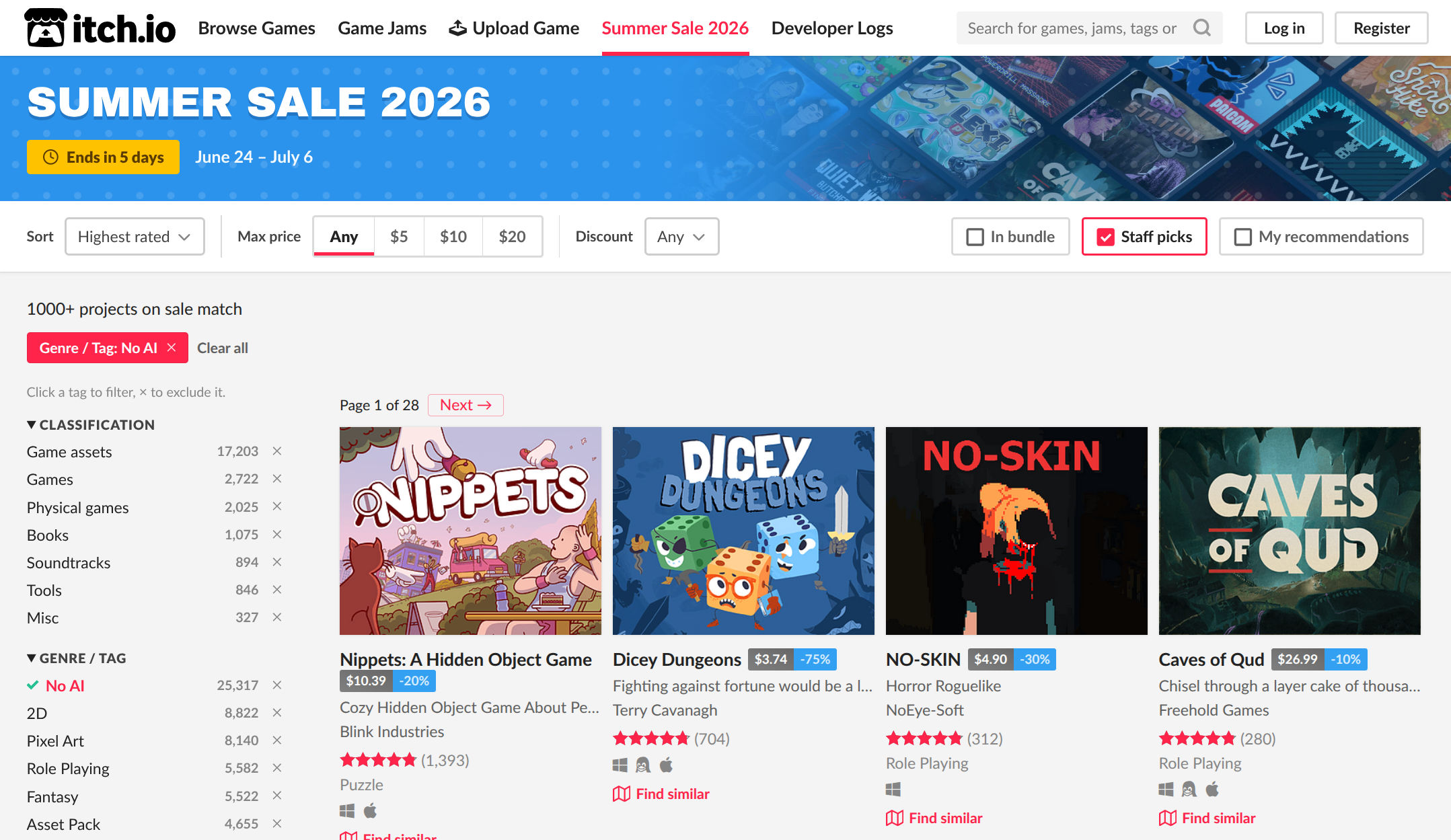
In early July 2026, the itch.io team capitalized on the momentum of the Summer Sale to introduce the Sale Explorer. By launching this tool while over 30,000 projects were discounted, the team ensured immediate, large-scale stress testing of the new UI.
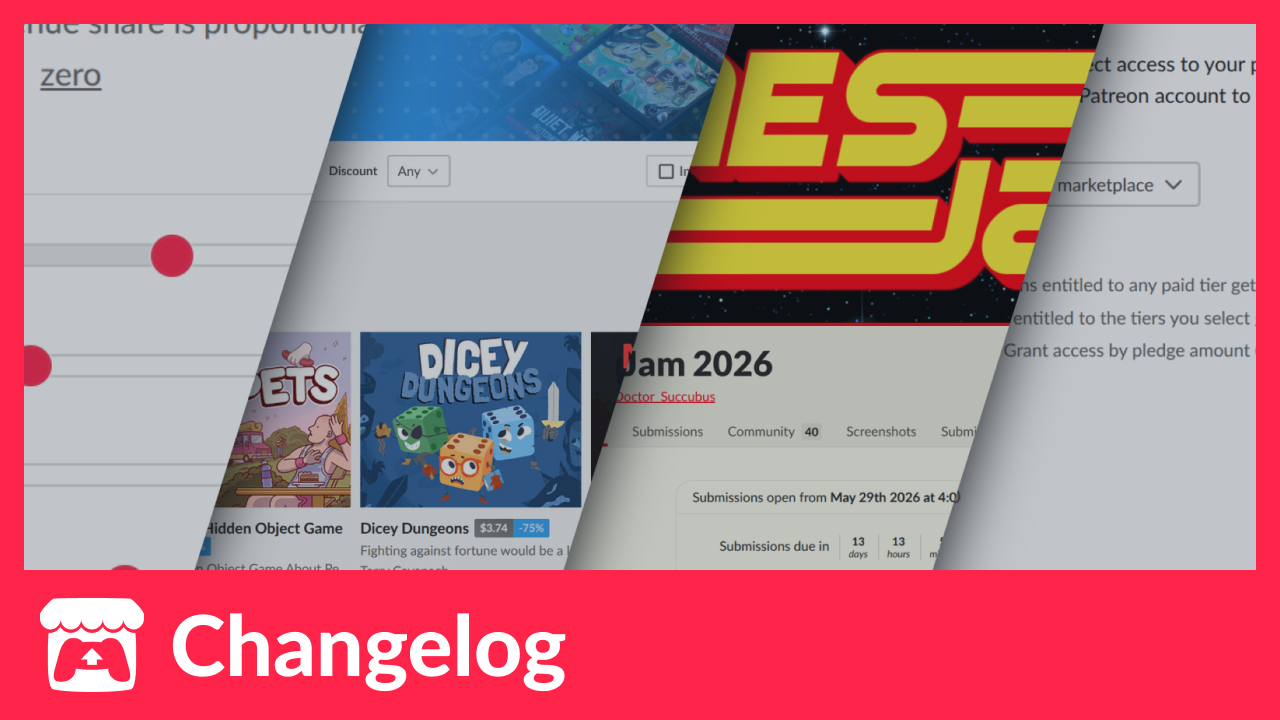
Simultaneously, the Bundle Hosting Revamp and the Jam Theme Editor were pushed to the live environment following extensive testing in the developer forums. The Patreon integration, which had been a subject of internal development for several months due to the complexity of the V2 API transition, was the final piece of the puzzle, providing a robust solution for developers relying on external subscription revenue.
Technical Implications: Why These Updates Matter
The Sale Explorer: Navigating Complexity
Previously, browsing a massive sale on itch.io could feel like searching for a needle in a haystack. The new Sale Explorer changes the paradigm from a static list to a dynamic, filter-driven database. By allowing users to sort by genre, exclude specific tags, and utilize "find similar" recommendations, itch.io is effectively adopting the discovery mechanics of larger storefronts while maintaining its indie-centric soul.
As noted by users in the community forums, the ability to filter out specific content—such as AI-assisted projects—is a major quality-of-life improvement. The platform’s stated goal is to eventually migrate these discovery features to standard browse pages, which could fundamentally change how players discover new content on a day-to-day basis.
Bundle Hosting: Scalability for Collaborations
For over a decade, the bundle system was a pillar of the itch.io community. However, it had become technically stagnant. The recent overhaul is not merely a visual update; it is a structural one. By migrating to a more robust hosting backend, the platform now supports:
- Improved Participant Management: Making it easier for large groups to pool resources.
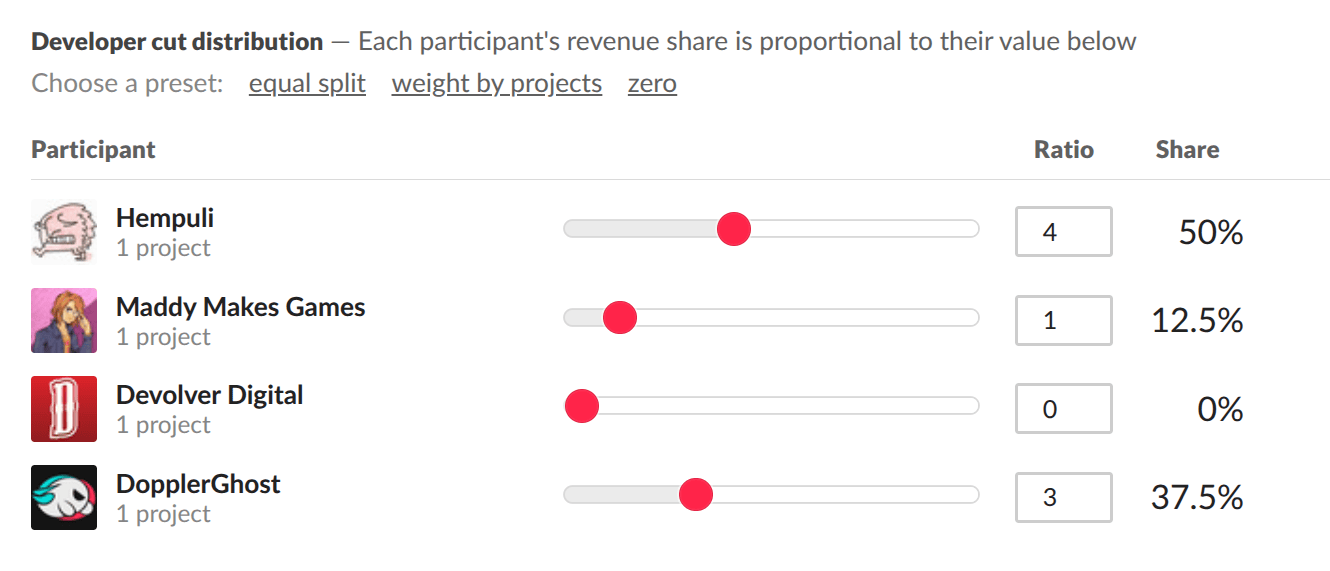
- Granular Revenue Control: Enabling creators to set up complex, collaborative financial splits.
- Streamlined Asset Management: Reducing the server strain associated with hosting massive files in collective bundles.
Patreon Integration: Solving the Currency Problem
Perhaps the most technically complex update is the transition to Patreon’s V2 API. The previous system relied on flat-rate pledges, which created massive friction for international creators and patrons. If a user paid in a currency other than USD, the system often failed to recognize the pledge, preventing access to the promised content.
By shifting to membership-tier-based grants, itch.io has bypassed the currency conversion issue entirely. The system now checks a patron’s status based on their tier, which is constant regardless of the currency paid. This ensures that creators can offer exclusive project access to their community with 100% reliability, removing a significant barrier to entry for creators who want to use itch.io as their primary distribution hub for patron-exclusive rewards.
Supporting Data and User Feedback
The community response has been largely positive, reflecting a high level of engagement with the platform’s development roadmap.
Data from the site’s internal forums shows that developers have been particularly vocal about the "Revenue Split" feature. In a discussion on the announcement, one developer expressed a desire for a per-project revenue split, which would simplify the workflow for teams collaborating on a single title.
The itch.io leadership—specifically the lead developer, Leafo—responded directly to these requests, confirming that this functionality is on the long-term development roadmap. This level of transparency is a hallmark of the itch.io development culture, where user feedback frequently dictates the priority of new features.
However, some users have pointed out minor oversights. For example, a user noted that the platform’s filter settings for "Platforms" were missing Android support, highlighting that even with massive overhauls, the platform requires constant, iterative refinement to ensure feature parity across all categories.
Official Responses and Strategic Direction
The itch.io team has framed these updates as part of a broader "modernization initiative." In their official communications, the team emphasized that the goal is to make the platform feel less like a collection of disparate tools and more like a cohesive, professional ecosystem.
By migrating the Jam Theme Editor to the standard site-wide theme UI, for instance, the platform is standardizing its CSS markup. This makes it easier for developers to maintain their pages and for the itch.io team to push security and design updates without breaking custom user code.
The message from the developers is clear: they are listening to the nuances of how creators work. From the ability to handle AI-tag exclusions to the architectural cleanup of the bundle system, every change is designed to minimize the time developers spend on logistics, allowing them to spend more time on development.
Implications for the Future of Indie Distribution
The implications of these updates extend beyond simple feature lists. By optimizing the "Discovery," "Monetization," and "Management" pillars, itch.io is positioning itself as a more formidable competitor in the digital distribution space.
The Shift Toward Professionalization
Many indie developers have traditionally viewed itch.io as a "supplemental" store, with Steam being the primary revenue driver. However, with the new Patreon integration and the improved bundle system, itch.io is creating an environment where a creator could feasibly manage their entire lifecycle—from prototype to funding to release—without leaving the platform.
Enhanced Discovery as a Competitive Edge
The Sale Explorer is a critical development. As the number of indie games increases, discovery becomes the primary hurdle for any developer. If itch.io can refine its recommendation engine to be as intuitive as the new Sale Explorer, it will significantly increase the conversion rate for games that are currently buried in the depths of the "New" or "Popular" lists.
Collaborative Ecosystems
The bundle revamp suggests that itch.io intends to lean further into the "community-driven" model of distribution. By making it easier for creators to collaborate on bundles, they are fostering a social environment that is difficult to replicate on more corporate platforms. This, combined with the modernized theme editor, allows for a brand of community-building that rewards creativity and aesthetic expression.
Conclusion
The recent changelog from itch.io is a testament to the platform’s commitment to its user base. By addressing the technical debt of the bundle system, improving the financial accessibility of Patreon tiers, and revolutionizing how users find games during sales, the platform has solidified its position as a vital tool for independent developers.
While there is still work to be done—such as the implementation of per-project revenue splits and continued refinement of search filters—the trajectory is clear. The platform is becoming more powerful, more accessible, and increasingly essential for anyone operating in the independent game space. As the platform continues to evolve, the focus on community, transparency, and developer-centric tools will likely remain its strongest assets in an increasingly crowded market.
For creators and players alike, these changes represent a more polished, functional, and user-friendly experience. As the team continues to act on feedback from their forums and support channels, the ecosystem will undoubtedly continue to grow, providing the tools necessary for the next generation of indie hits to find their audience.