Wired vs. Wireless Home Internet: Navigating the Modern Connectivity Landscape
In the modern household, high-speed internet has ascended to the status of a utility as essential as electricity or water. Yet, for many consumers, the marketplace remains a confusing thicket of technical jargon, conflicting marketing claims, and varied infrastructure availability. As we navigate the mid-2020s, the primary decision for most homeowners has shifted from simply choosing a speed tier to choosing a fundamental delivery architecture: wired broadband or fixed wireless access (FWA).
Understanding the distinction is critical. This comparison does not refer to the internal distribution of data via Wi-Fi routers versus Ethernet cables within your walls; rather, it concerns the "last mile"—the technology used by your Internet Service Provider (ISP) to transport data from the wider web to the gateway inside your residence.
The Core Distinction: Physical Infrastructure vs. Cellular Transmission
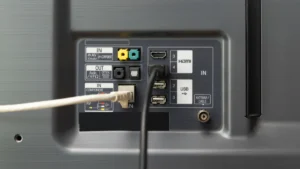
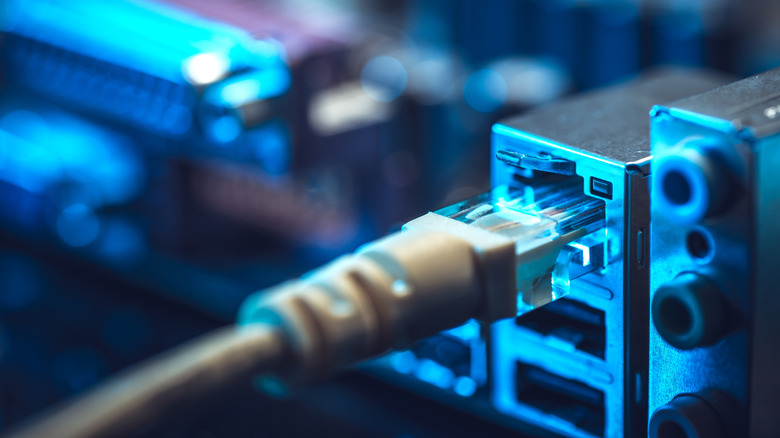
At its most fundamental level, wired internet relies on a physical tether to the outside world. Whether it is fiber-optic glass strands, traditional coaxial copper cables, or legacy DSL telephone wiring, the data travels along a protected, dedicated path directly to your premises. Once this signal reaches your home, a gateway—typically a modem or an Optical Network Terminal (ONT)—translates these electrical or optical signals into digital data packets that your household devices can process.
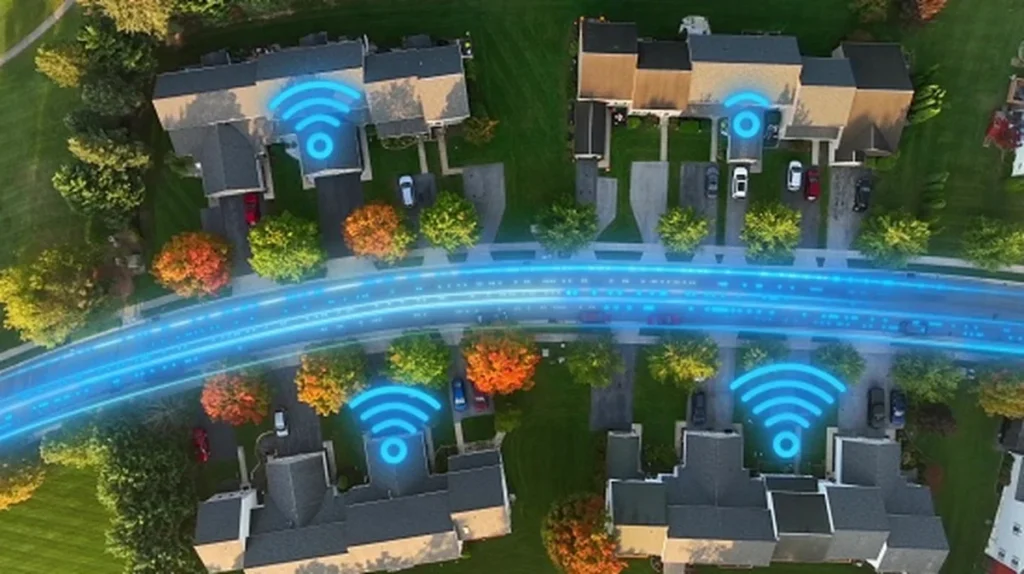
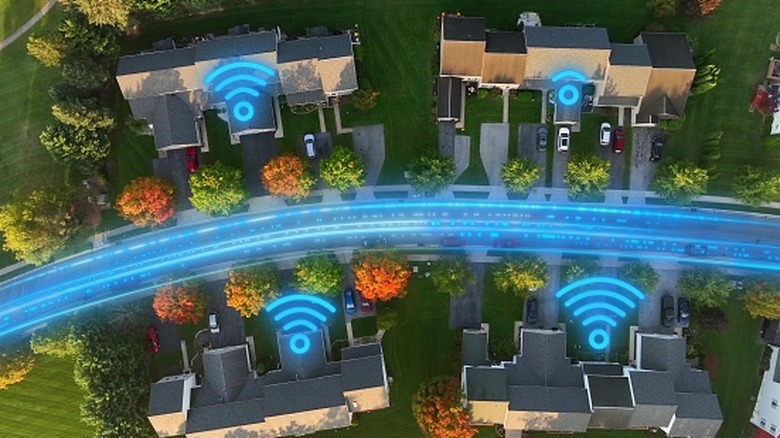
Conversely, "fixed wireless" home internet bypasses the need for a physical line running to your property. Instead, it utilizes the same sophisticated 4G LTE or 5G cellular networks that power your smartphone. A specialized gateway device installed inside your home acts as a high-gain receiver, pulling in a signal from a nearby cell tower. Once captured, this signal is converted into a local network that your computers, smart TVs, and mobile devices can access via Wi-Fi or Ethernet.
Chronology and Evolution of the Divide
The dominance of wired infrastructure dates back to the early 2000s, with cable and DSL providers racing to displace dial-up connections. Fiber-optic technology, popularized by initiatives like Verizon Fios, later set the gold standard for latency and symmetric throughput.
The pivot toward fixed wireless began in earnest with the maturation of 5G technology. As mobile carriers looked for ways to monetize their vast investments in spectrum, they identified "home broadband" as a prime opportunity. By 2024 and 2025, major carriers had aggressively marketed 5G home internet as a plug-and-play alternative to the often-monopolistic practices of legacy cable companies. Today, we are in an era where, for the first time, wireless is being positioned not just as a backup or a rural necessity, but as a primary, high-performance competitor to physical infrastructure.
Supporting Data: Performance Benchmarks and Real-World Reality
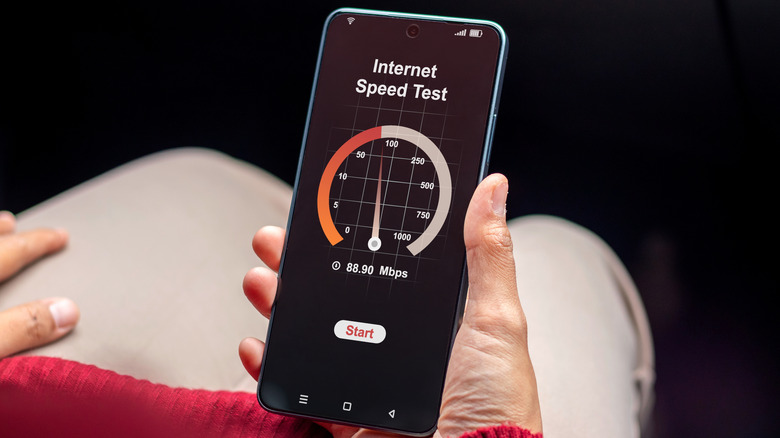
When evaluating which service to choose, consumers must look beyond advertised "maximum" speeds. Wired connections—specifically fiber—consistently win the battle for raw capacity and reliability. According to the April 2026 US analysis by Opensignal, households utilizing fiber or cable broadband experienced higher average download speeds compared to their fixed-wireless counterparts.
However, the "Consistent Quality" metric—which aggregates latency, jitter, and packet loss—paints a more nuanced picture. While wired connections maintain a slight edge, fixed wireless has reached a level of maturity where the difference is often imperceptible for daily tasks like streaming 4K video, participating in Zoom calls, or casual web browsing.
Performance Tiers at a Glance:
- Wired (Fiber): Often provides symmetric speeds (upload and download are equal), reaching tiers as high as 5Gbps in select metropolitan markets.
- Fixed Wireless (5G): Varies significantly by location. T-Mobile’s "Rely" home internet typically delivers 170–354 Mbps, while AT&T Internet Air offers a standard range of 90–300 Mbps.
- The Outlier: Some high-band 5G plans from carriers like Verizon can reach 300–1,000 Mbps, effectively rivaling entry-level fiber tiers.
The caveat, of course, is variability. A wired connection’s performance is relatively static, dictated by the quality of the line. A fixed-wireless connection is at the mercy of cellular network demand, physical distance from the cell tower, and environmental obstacles like dense trees or heavy building materials.
Official Perspectives and Industry Implications
Industry analysts emphasize that the choice is rarely a simple "best vs. worst" scenario. Instead, it is a calculation of local availability and specific household usage patterns.
"The FCC National Broadband Map remains the most vital tool for the average consumer," notes an industry analyst. "It allows users to bypass the marketing fluff and see exactly what infrastructure is reported at their specific coordinate." However, experts caution that these maps reflect reported availability rather than guaranteed performance.
Key Considerations for Consumers:
- Latency-Sensitive Tasks: If you are a competitive gamer, wired fiber remains the undisputed champion. The lower, more stable latency (ping) provided by a direct fiber optic connection is difficult for radio-based networks to replicate consistently.
- Installation Barriers: Wired internet often requires a professional technician to drill holes and run cables. Fixed wireless offers a "self-install" model that is incredibly appealing for renters or those in older homes where running new cabling is invasive or prohibited.
- Pricing and Contractual Freedom: Fixed wireless plans often lead the market in transparency, with many providers offering no-contract, flat-rate pricing models to lure customers away from traditional cable bundles that include hidden equipment fees and "introductory" price hikes.
Implications for the Future of Connectivity
The rise of fixed wireless is fundamentally changing the competitive landscape. Historically, homeowners had little leverage; if a neighborhood was served by only one cable provider, consumers were "locked in." The emergence of 5G home internet has introduced a new, agile competitor that can be deployed at scale without the multi-year process of trenching fiber through city streets.
The Verdict: How to Choose
If you are fortunate enough to have fiber-optic service available at your address, it remains the gold standard for long-term value, reliability, and speed. It is the "future-proof" choice that will support the increasing data demands of the next decade.
However, if your wired options are limited to aging DSL or high-cost cable plans, do not dismiss 5G home internet. The technology has evolved to the point where it is a legitimate, high-speed solution for the vast majority of users. When considering a switch to fixed wireless, look for providers that offer a trial period. Because cellular performance is so highly dependent on your specific home’s location, a 15-day or 30-day trial is the only way to verify that the signal strength at your window is sufficient to support your household’s digital life.
In the final analysis, the "right" choice is the one that balances your local infrastructure realities with your personal tolerance for performance fluctuations. We are moving toward a hybrid future where the distinction between "wired" and "wireless" matters less than the quality of the experience provided to the end-user. As the technology continues to mature, the consumer stands to benefit from a more competitive, flexible, and robust internet marketplace.