A New Dawn for Parkinson’s Treatment: Landmark STEM-PD Trial Shows Promise in Regenerative Medicine
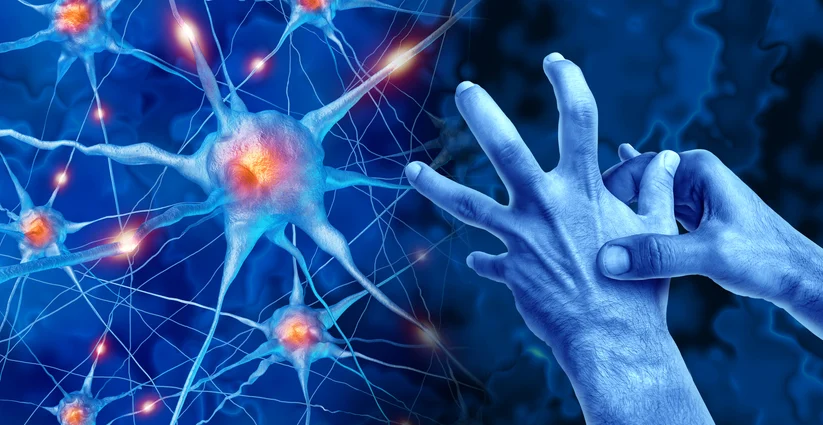
In a breakthrough that could fundamentally alter the trajectory of neurodegenerative disease management, a landmark Phase I/II clinical study has demonstrated the feasibility and safety of transplanting stem-cell-derived dopamine progenitor cells directly into the brains of patients with Parkinson’s disease (PD).
The study, led by researchers at Skåne University Hospital and Lund University, utilized “STEM-PD”—a cryopreserved, off-the-shelf therapeutic product derived from human pluripotent stem cells. Published in the journal Nature Medicine, the findings represent a major milestone in regenerative medicine, offering a potential path toward restoring the lost biological machinery that causes the debilitating motor symptoms of Parkinson’s.
The Core Facts: Replacing What Is Lost
Parkinson’s disease is the second most prevalent neurodegenerative condition globally, trailing only Alzheimer’s. Its hallmark pathology is the progressive death of dopaminergic neurons in the substantia nigra pars compacta—a region of the brain responsible for regulating movement. As these cells perish, the brain’s supply of dopamine drops, leading to the classic symptoms of the disease: tremors, muscle stiffness, slowness of movement (bradykinesia), and gait instability.
For decades, the standard of care has relied on pharmacological interventions, most notably levodopa, which aims to artificially replenish dopamine levels. While effective initially, these medications often lose their potency over time and can trigger debilitating side effects, including involuntary movements known as dyskinesia.
The STEM-PD approach moves beyond symptomatic management. By surgically transplanting dopamine-producing progenitor cells directly into the putamen, the researchers intend for these cells to mature, integrate into the existing neural architecture, and autonomously produce the dopamine the brain can no longer generate on its own.
A Chronology of Innovation
The roots of the STEM-PD trial extend back forty years, building on pioneering work at Lund University using fetal dopamine cells. However, the use of fetal tissue has always been limited by ethical complexities and the logistical difficulty of obtaining sufficient, consistent material.
The current iteration of the research represents the culmination of a decade-long push to standardize stem cell technology.
- Early Development: Scientists focused on creating a scalable, GMP-certified (Good Manufacturing Practice) product derived from human pluripotent stem cells (PS cells).
- Preclinical Validation: Years of rigorous experimental studies were conducted to ensure that these cells could safely survive and function in the brain environment without forming tumors or triggering dangerous immune responses.
- Trial Initiation: The STEM-PD trial became the first pluripotent stem cell trial approved in Sweden and the first of its kind for Parkinson’s in Europe.
- Execution: Eight patients with moderately advanced Parkinson’s were enrolled. The procedure involved bilateral intraputaminal transplantation. Following surgery, patients underwent a 12-month regimen of immunosuppression to prevent the body from rejecting the foreign grafts.
- Current Status: With the one-year follow-up data now published, the program has transitioned into a new era, having been acquired by the Boston-based firm Cellular Intelligence, which plans to spearhead the next phase of clinical trials.
Supporting Data: Safety and Initial Efficacy
The primary endpoints of the study were safety, tolerability, and feasibility. Of the eight participants who underwent the procedure, seven completed the full 12-month follow-up period. One participant unfortunately passed away due to a pulmonary infection; investigators confirmed this was unrelated to the cell product or the surgical intervention.
The clinical data from the surviving cohort is highly encouraging:
- Safety Profile: The surgical procedure was well tolerated, and there were no reports of graft-induced dyskinesia—a common concern in previous generations of cell-transplantation research.
- Imaging Confirmation: Using dopamine PET scans, researchers detected early evidence of graft survival at both 6 and 12 months post-transplantation, suggesting the cells had successfully integrated into the host brain.
- Medication Reduction: In a significant secondary finding, six of the seven participants were able to substantially reduce their reliance on dopaminergic medication—a key indicator that the transplanted cells were contributing to the brain’s dopamine requirements.
While these results are preliminary, they provide the necessary “proof of concept” to justify moving into larger patient cohorts and longer-term evaluations.
Official Perspectives: Bridging Science and Clinical Reality
The success of the trial has been lauded by the international scientific community as a masterclass in multidisciplinary collaboration.
Professor Malin Parmar, who leads the STEM-PD program at Lund University, emphasized the long-term vision of the project: “The possibility of replacing dopamine neurons that are lost in Parkinson’s disease has been a long-standing goal in the field. The findings represent an important milestone for regenerative medicine approaches in Parkinson’s disease and support continued clinical development of stem cell-based therapies.”
Professor Roger Barker of the University of Cambridge, the study’s clinical lead, highlighted the historical significance: “This represents an exciting new departure on repairing the brain of individuals with Parkinson’s using dopamine cells. The STEM-PD trial, harnessing the expertise of scientists and clinicians from Lund and Cambridge, has enabled us to undertake and deliver on one of the first-ever stem cell-derived dopamine cell therapies.”
Dr. Gesine Paul-Visse, the lead investigator at Skåne University Hospital, noted the human impact: “Reaching this primary endpoint and being able to show that the cell product is safe is a great achievement for this trial, our team, the participating patients, but also for all patients suffering from Parkinson’s disease. We are hopeful that the early signs of cell survival and clinical improvement we observe will continue to increase over time.”
Implications: The Path Toward a Cure
The STEM-PD trial is more than a single successful study; it is a template for the future of regenerative neurology. By achieving IND (Investigational New Drug) clearance and receiving FDA Fast Track Designation, the program has cleared the regulatory hurdles that often stall innovative therapies.
Moving Toward Phase III
The road ahead involves rigorous long-term monitoring. The team is currently tracking participants to the 36-month mark to assess:
- Graft Maturation: Will the transplanted cells continue to grow and reinnervate the putamen after the initial 12-month window?
- Dose-Response: Does a higher density of cells lead to greater clinical improvement, or is there a plateau effect?
- Clinical Efficacy: How do these changes translate into real-world improvements in quality of life for the patients?
The acquisition of the program by Cellular Intelligence signals a shift from purely academic research to industry-scale development. With the backing of commercial resources, the team plans to initiate a Phase II trial, followed by the eventual push for a Phase III trial required for global market approval.
A New Standard in Neuro-Regeneration
The implications for the broader Parkinson’s community are profound. If these cells can prove their long-term efficacy, the medical community will possess a tool to fundamentally “repair” the brain rather than simply masking symptoms. This success also sets a precedent for using pluripotent stem cell therapies to treat other neurodegenerative conditions, such as Huntington’s disease or spinal cord injuries, where the loss of specific cell populations is the primary driver of disease.
As the scientific community watches the ongoing 36-month follow-up, the mood remains one of cautious, yet profound, optimism. The STEM-PD trial has successfully moved the needle from theoretical possibility to clinical reality, offering a beacon of hope for the millions of families worldwide navigating the difficult realities of Parkinson’s disease.