Bridging the Serverless Gap: Headlamp Launches New Knative Plugin to Simplify Kubernetes Operations
Date: June 25, 2026
Category: Cloud Native Infrastructure / Kubernetes Tooling
For years, the promise of serverless on Kubernetes has been synonymous with Knative. By handling traffic routing, complex autoscaling, and revision management, Knative allows developers to focus on code rather than infrastructure plumbing. However, a persistent "operational friction" has haunted Knative users: the cognitive load of managing these workloads across a fragmented toolchain.
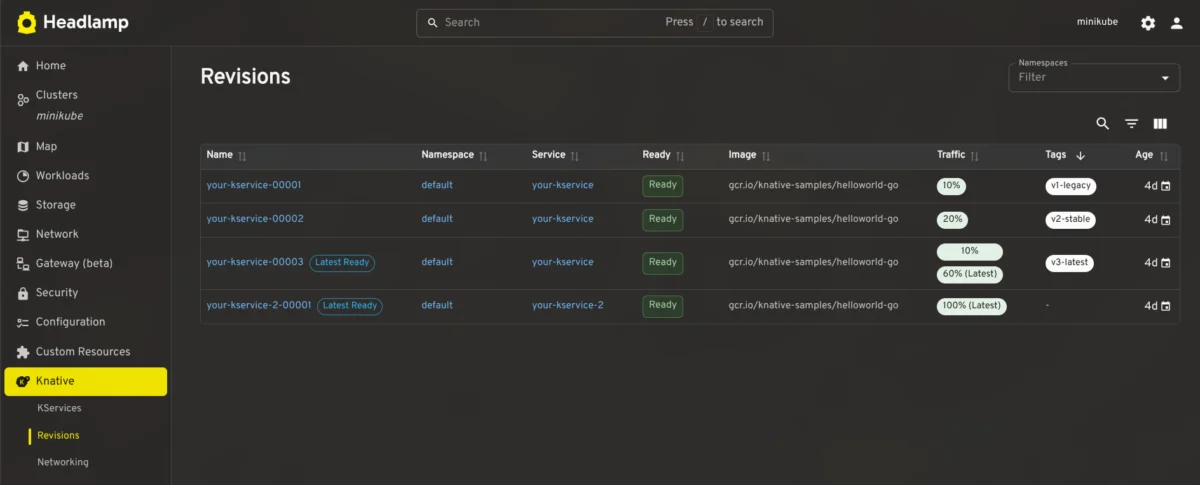
Today, the developers behind Headlamp, the open-source Kubernetes SIG UI project, have announced a significant step toward solving this issue. With the release of the new Headlamp Knative plugin—developed as part of an LFX mentorship initiative—operators can now inspect, manage, and debug their serverless infrastructure from a single, unified dashboard.
Main Facts: A Unified Interface for Serverless
The core challenge in the current Kubernetes ecosystem is "CLI fatigue." Operators frequently find themselves jumping between the kn CLI for traffic splits, kubectl for resource inspection, and various web-based UIs to monitor logs or pod status.
The Headlamp Knative plugin centralizes this experience. By integrating directly into the Headlamp ecosystem, it provides:
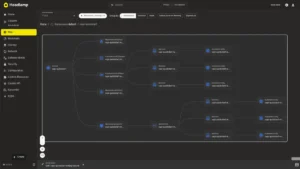
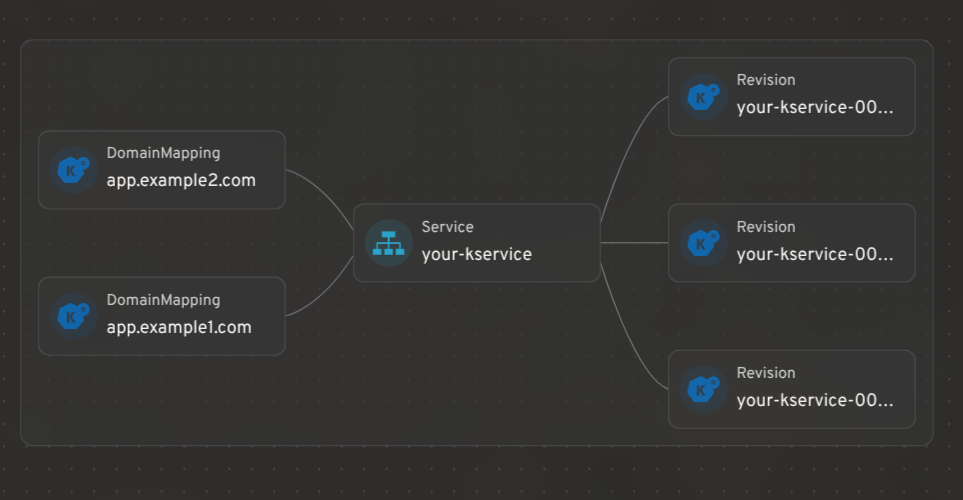
- Visual Resource Mapping: A graphical representation of KServices, Revisions, and DomainMappings.
- Live Edit Mode: Real-time modification of traffic splits and autoscaling annotations.
- Effective Configuration Insight: A transparent view of how cluster-wide
ConfigMapsinteract with individual service settings. - Integrated Observability: Seamless rendering of Prometheus metrics directly within the context of specific revisions.
Chronology of Development
The genesis of this plugin is rooted in the community-driven ethos of the Cloud Native Computing Foundation (CNCF).
- Early 2026: Recognizing the complexity of Knative management, contributors identified the need for a more intuitive UI within the Headlamp ecosystem.
- Spring 2026: The project was adopted as an LFX Mentorship project, allowing for focused development on bridging the gap between raw Kubernetes resource management and Knative’s abstract serverless layers.
- June 25, 2026: Following rigorous testing and refinement, the team officially released version
0.3.0-beta. The release marks the transition from experimental internal tooling to a public-facing utility for the wider Kubernetes community.
Supporting Data: Why Visibility Matters
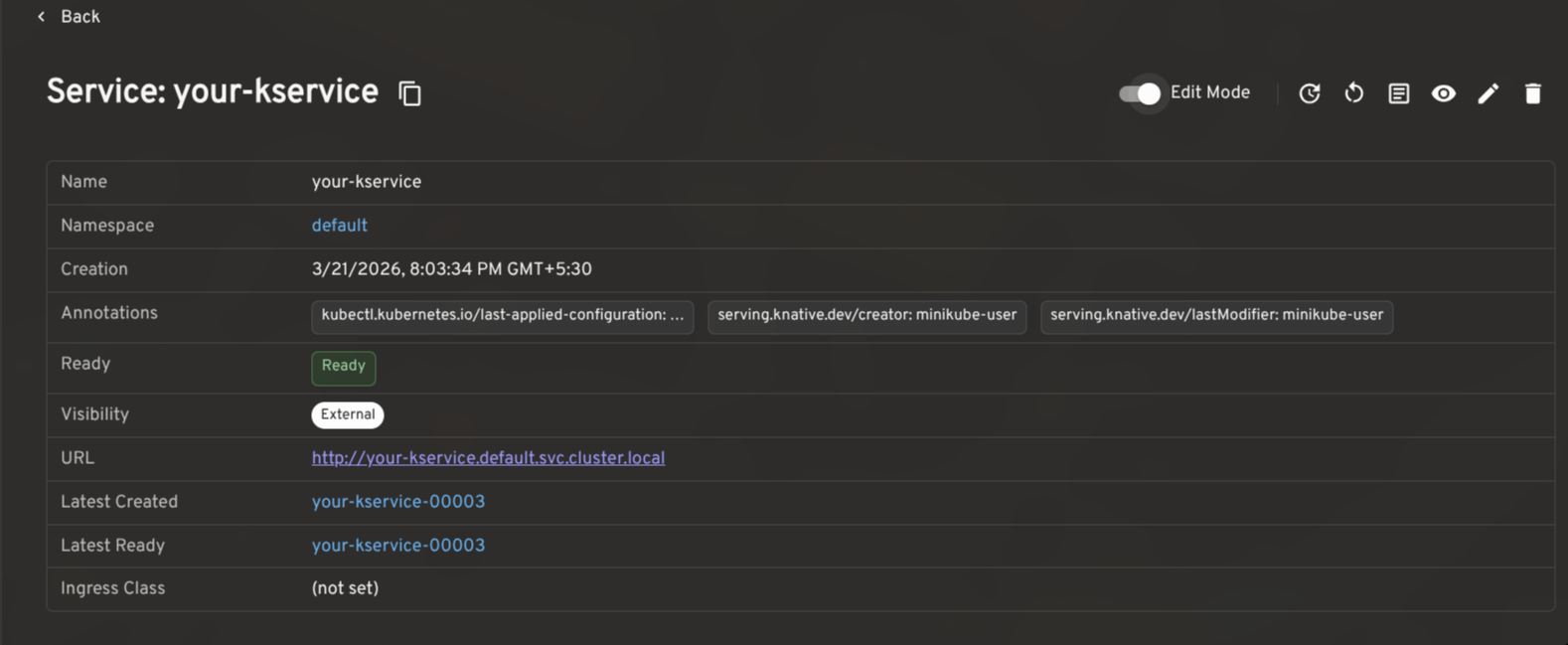
The complexity of Knative lies in its abstraction. When a user updates a KService, they are not just changing one object; they are potentially triggering new Revisions, altering Routes, and interacting with Configurations.
The "Effective Configuration" Challenge
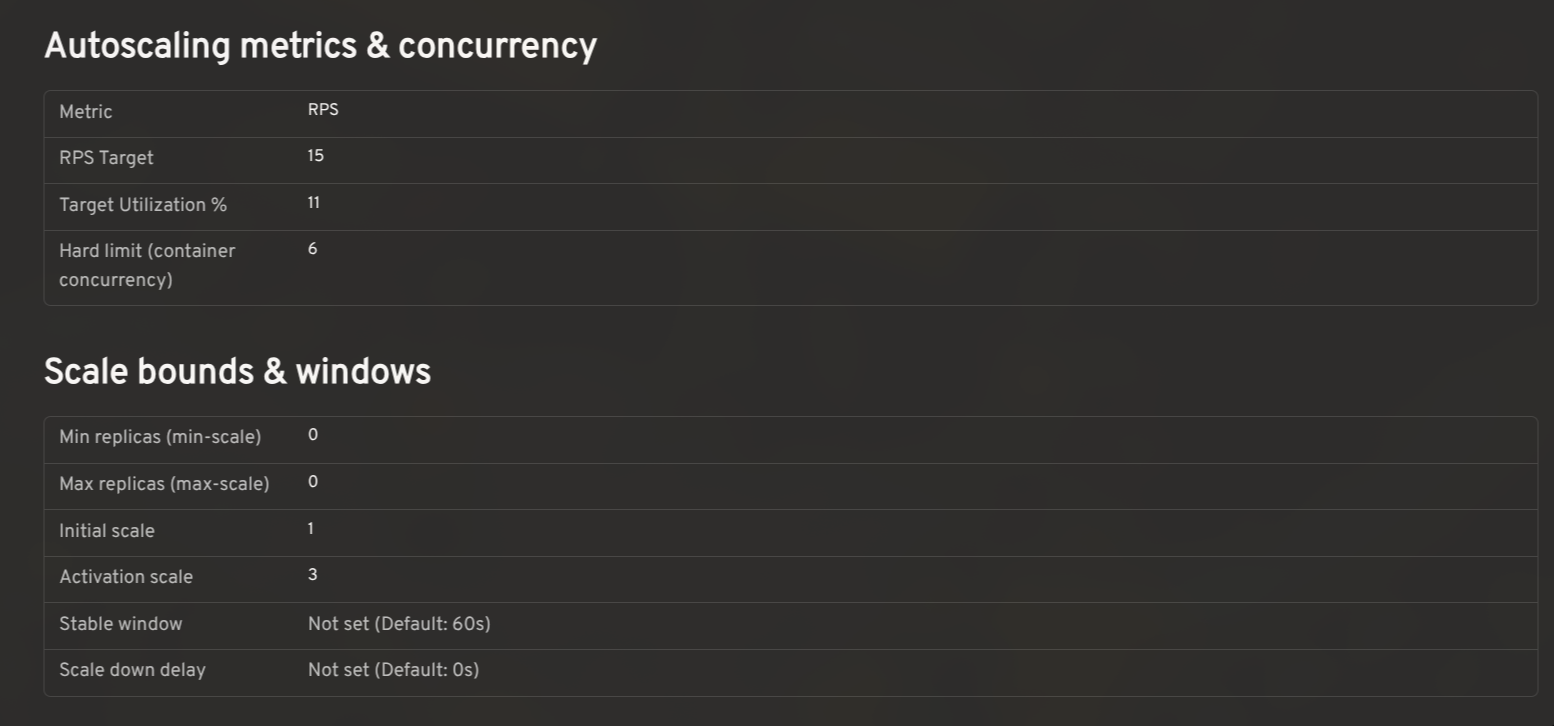
One of the most powerful features of the new plugin is its ability to reconcile "effective settings." In a standard Kubernetes environment, an operator might look at a service and see no specific autoscaling settings. However, the service may be inheriting critical parameters—such as target utilization or scale-down delays—from cluster-wide config-autoscaler or config-defaults ConfigMaps.
The Headlamp plugin resolves this ambiguity by parsing these configuration files and displaying the effective value alongside the explicit value. This eliminates the "guessing game" operators often face when troubleshooting why a pod is scaling down too aggressively or refusing to scale to zero.
Traffic Splitting for Canary Deployments
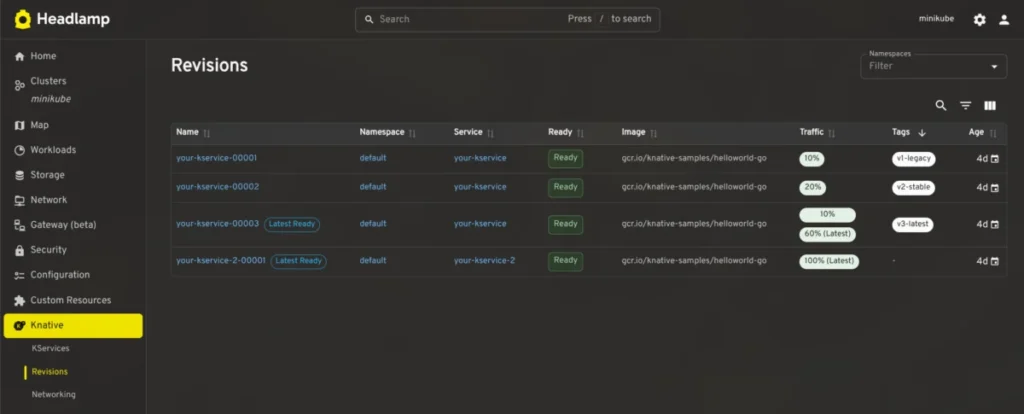
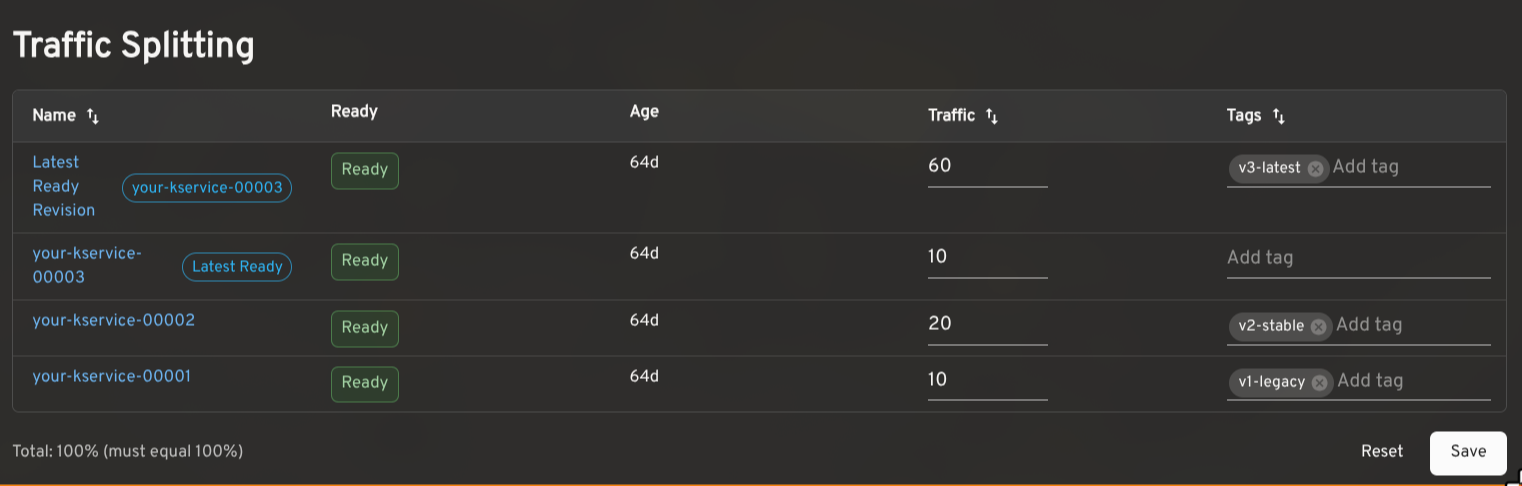
Traffic management is the bedrock of modern CI/CD. The plugin enables users to visually adjust traffic percentages between different revisions. By automating the validation logic—ensuring that traffic sums to exactly 100% and that tags are unique—the tool reduces the risk of human error during production deployments. This allows for safer canary releases and more granular A/B testing than the command line typically allows.
Implications for Kubernetes Operators
The release of this plugin signals a maturation in how teams interact with Kubernetes. We are moving away from the era where "mastery of the CLI" was the only barrier to entry for complex technologies like Knative.
Reducing "Time to Resolution"
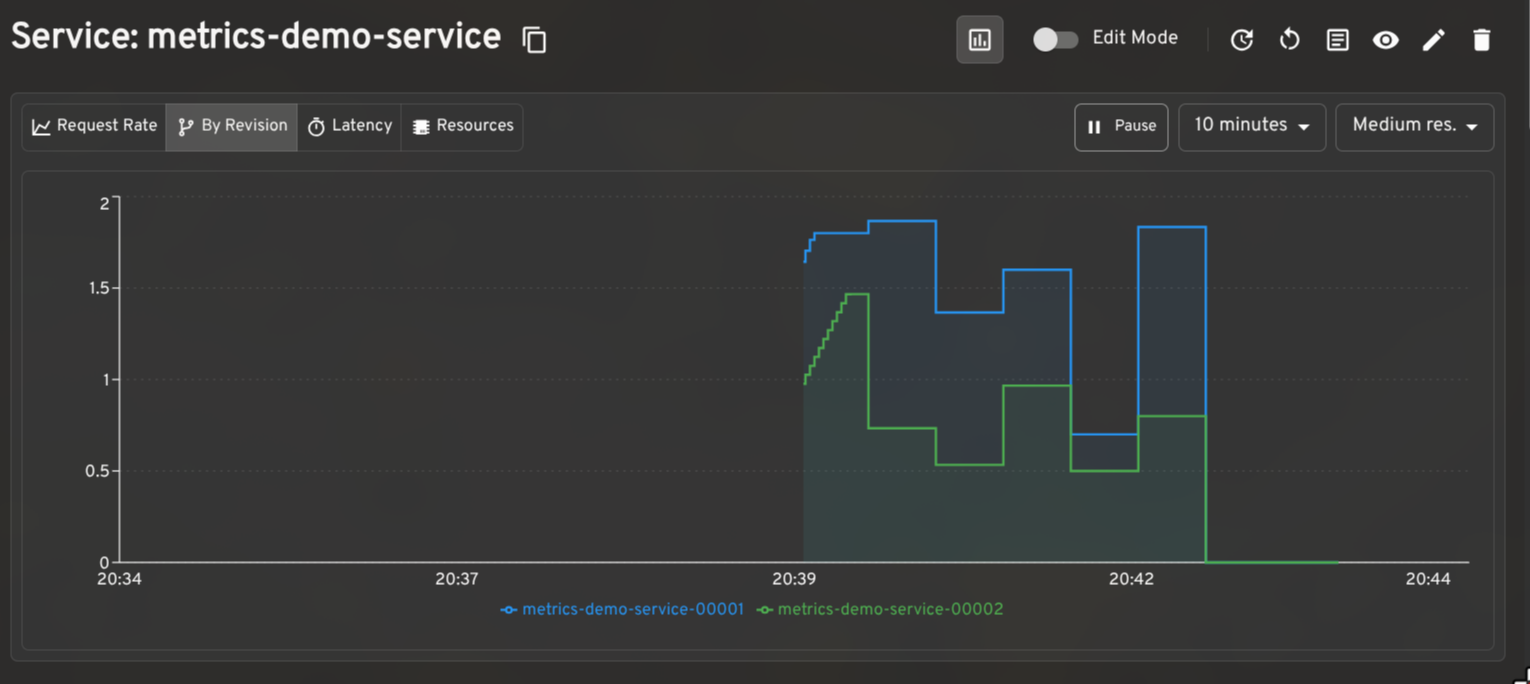
In incident response, seconds matter. When a serverless function experiences a latency spike, an engineer using standard tools must query multiple resources to determine which revision is at fault. With the new Prometheus integration in the Headlamp plugin, this process is condensed into a single view. By filtering request rates and latency by revision, operators can identify a problematic deployment in seconds rather than minutes.
Democratizing Infrastructure
By providing a visual interface for complex concepts like DomainMappings and ClusterDomainClaims, the plugin lowers the barrier to entry for junior platform engineers. It turns opaque CRDs (Custom Resource Definitions) into interactive, manageable objects, fostering a more collaborative environment between DevOps teams and application developers.
Official Perspective and Future Roadmap
The Headlamp project has emphasized that this is not just a "read-only" dashboard. The plugin is built with RBAC (Role-Based Access Control) parity in mind, ensuring that actions taken within the UI are subject to the same security policies defined in the cluster.
User Feedback and Community Engagement
The development team is actively soliciting feedback via the Kubernetes Slack #headlamp channel. As a beta release, the current version is an invitation for the community to shape the future of the tool.
Key areas for potential growth include:
- Enhanced Troubleshooting: Expanding the "Restart" and "Redeploy" functions to provide more granular feedback during failure states.
- Custom Resource Expansion: Adding support for emerging Knative sub-projects or custom extensions requested by high-traffic enterprise users.
- Advanced Alerting: Integrating real-time alert firing directly into the dashboard, potentially surfacing Knative-specific warnings (e.g., "Revision failing to become ready") before they escalate into full-scale outages.
Conclusion
The Headlamp Knative plugin is more than just a convenience; it is a necessary evolution of the Kubernetes developer experience. By reconciling the power of Knative with the accessibility of a modern, visual UI, the project helps ensure that serverless remains a viable, manageable, and efficient choice for organizations scaling their cloud-native infrastructure.
For those interested in integrating this into their own clusters, the installation instructions and source code are available in the official Headlamp plugins repository. As the community continues to refine the 0.3.0-beta release, the focus remains clear: making Kubernetes less about managing YAML and more about delivering value.
Quick Start Guide for Operators
- Version: 0.3.0-beta
- Requirement: An active Headlamp instance and a running Knative installation.
- Installation: Follow the README documentation to add the plugin to your existing Headlamp deployment.
- Support: Open issues on the official GitHub issue tracker.