The Evolution of the Desktop: A Deep Dive into GNOME 51
For over a decade, GNOME has served as the gateway to the Linux ecosystem. As the default desktop environment for industry titans like Ubuntu and Fedora Workstation, it acts as the primary interface through which millions of users interact with open-source software for the first time. While the Linux landscape is currently witnessing a surge in popularity for niche, high-performance tiling window managers like Hyprland, GNOME remains the undisputed standard for the average desktop user.
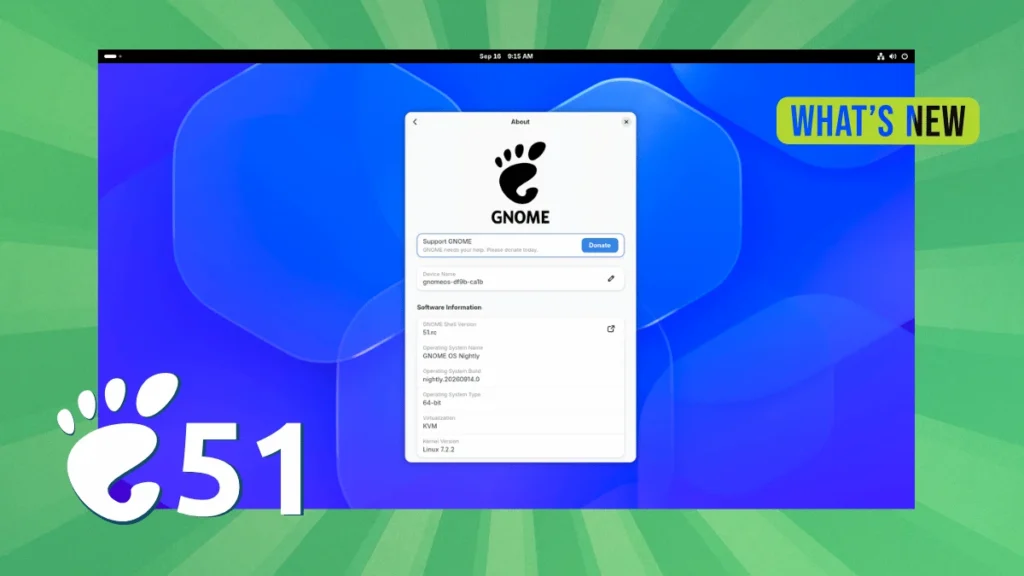
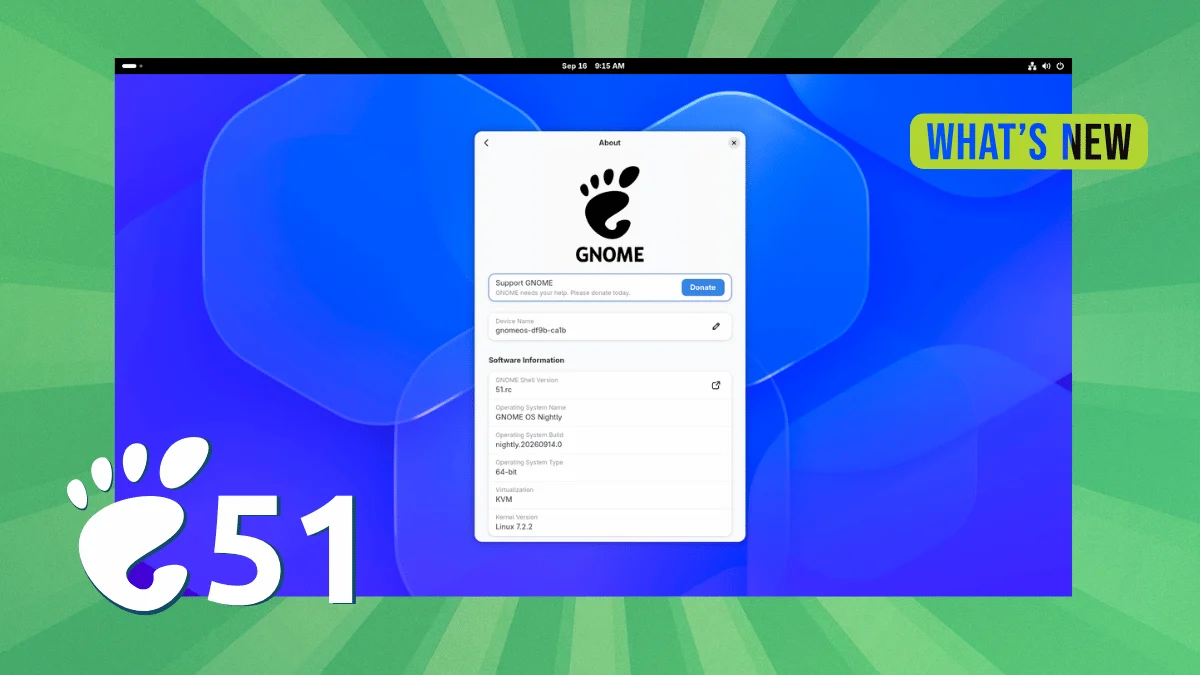
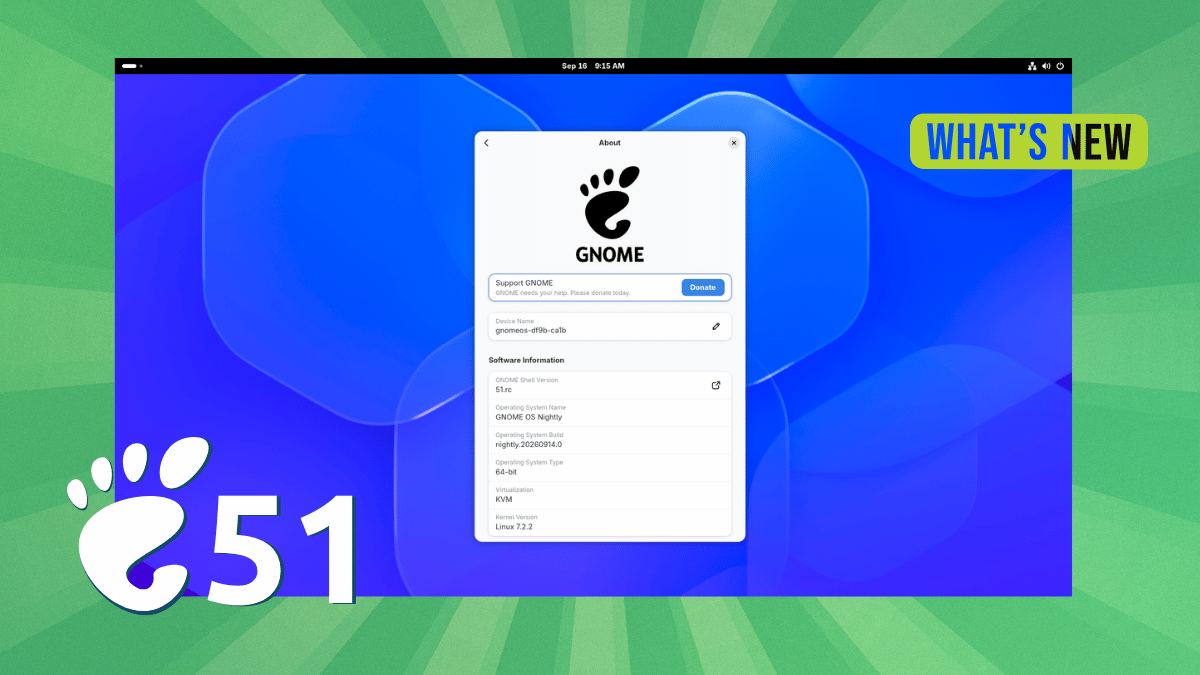
The arrival of GNOME 51 marks a significant milestone in the project’s history. It is not merely a collection of minor patches, but a cohesive effort to refine the user experience, tighten security, and modernize the core infrastructure of the Linux desktop.
Main Facts: What’s New in GNOME 51
GNOME 51 arrives with a mission: to eliminate the "rough edges" that have persisted in previous iterations. The update encompasses a broad range of improvements, from the low-level compositor to the most frequently used applications.
- Shell Refinements: The GNOME Shell, which powers the overview, app grid, and notifications, has received a major polish. Notable additions include persistent monitor brightness settings that survive reboots and an enhanced screenshot utility that allows for precise edge-to-edge selection.
- GDM & Mutter Security: The display manager (GDM) has closed a critical autologin vulnerability, while the window compositor (Mutter) has improved HDR support, ensuring that SDR content no longer suffers from unsightly color desaturation.
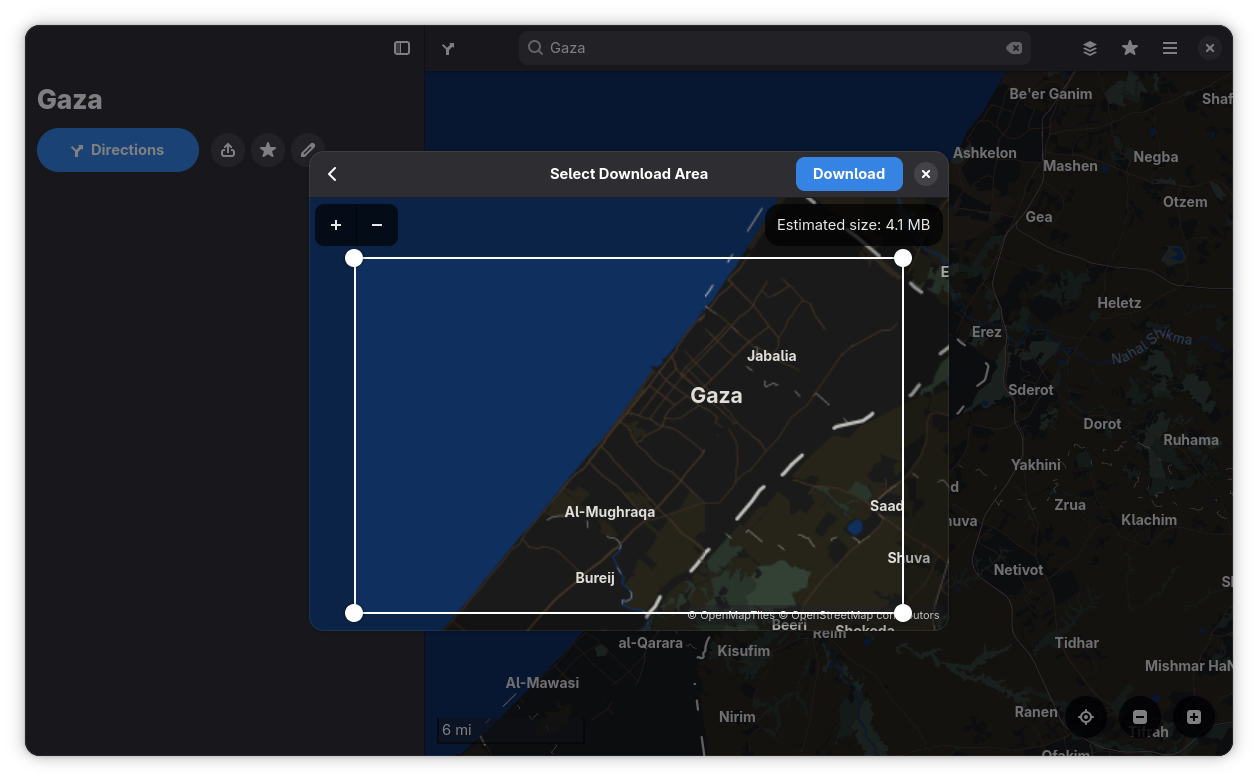
- System-Wide App Upgrades: From the Files (Nautilus) manager to the Maps application, nearly every core component has received a functionality boost, including offline map downloads and improved system status reporting.
Chronology of the Release
The development cycle of GNOME 51 followed the project’s rigorous six-month cadence. The journey began in the spring of 2026, with the team focusing on "technical debt reduction" during the initial alpha phases.

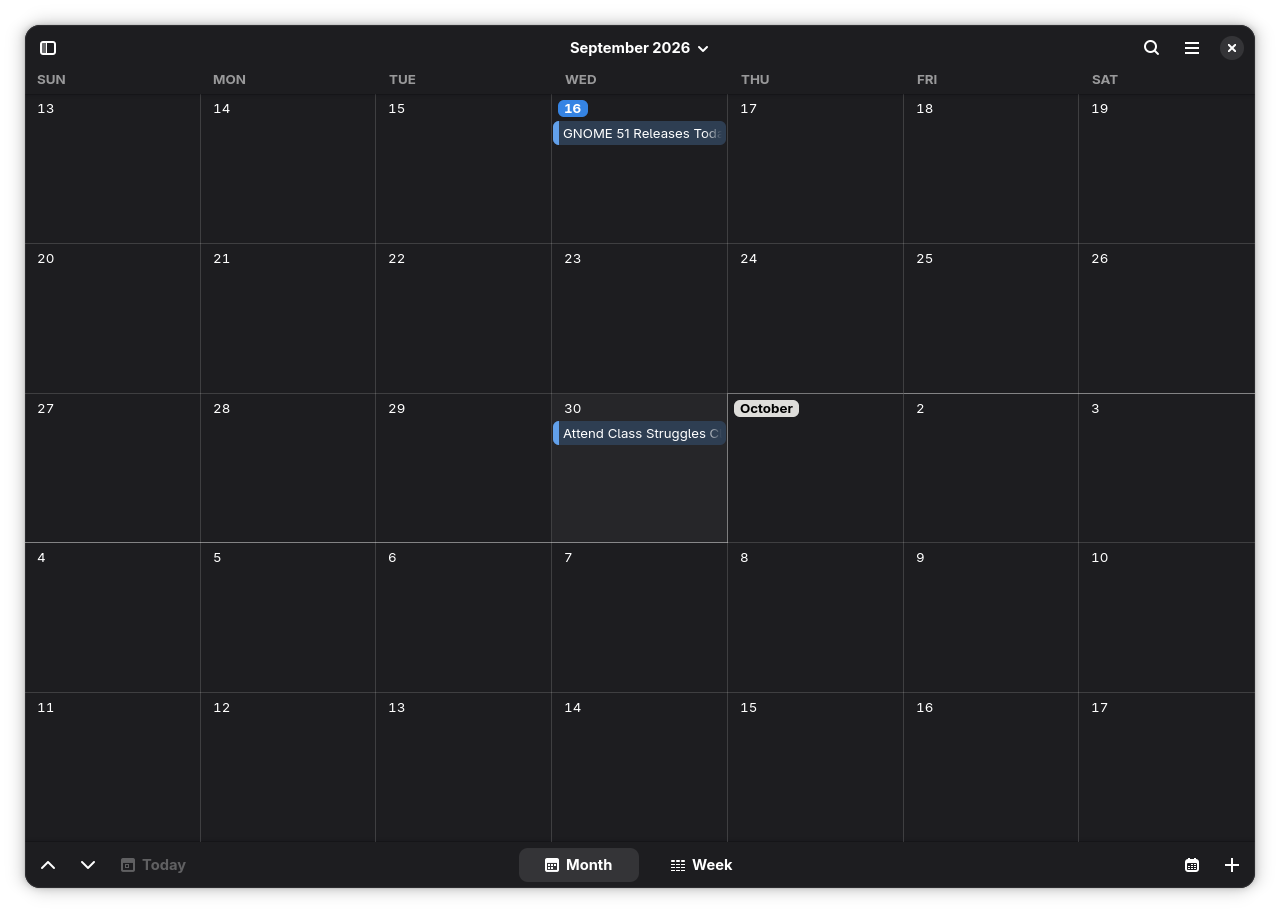
- Early 2026: Initial planning sessions focused on migrating core applications like the Calendar to the more efficient GListModel architecture.
- Mid-2026: Beta testing saw the integration of the refined Mutter compositor, specifically targeting issues with multi-monitor setups and legacy NVIDIA driver deprecation.
- September 2026: The final release candidates were stabilized, focusing on fixing minor bugs, such as the German date format errors and the specific quirks regarding minimized window states across workspaces.
- Late September 2026: Official rollout began, targeting rolling-release distributions followed by scheduled updates for major stable releases.
Supporting Data and Technical Architecture
To understand the weight of this update, one must look at the specific components being altered.
The Refinement of the Shell
The GNOME Shell is the heart of the user experience. In version 51, developers focused heavily on accessibility and hardware interaction. The rework of screen reader navigation within the app grid is a significant win for inclusive computing. Furthermore, the autorun prompt for USB devices has been redesigned, prioritizing a more intuitive workflow that reduces the need for manual file manager intervention.
GDM and Mutter: The Foundation
The display manager (GDM) now provides administrators with granular control over "fallback sessions." This is a crucial improvement for enterprise environments where standardized desktop configurations are mandatory.
Regarding Mutter, the transition away from legacy NVIDIA drivers is a bold move toward a Wayland-first future. By removing the baggage of aging proprietary drivers, the GNOME team is signaling that the future of Linux desktop performance lies in modern, well-maintained display protocols. The fix for HDR-to-SDR color mapping is equally vital, as high-dynamic-range monitors become standard for creative professionals.
The App Ecosystem
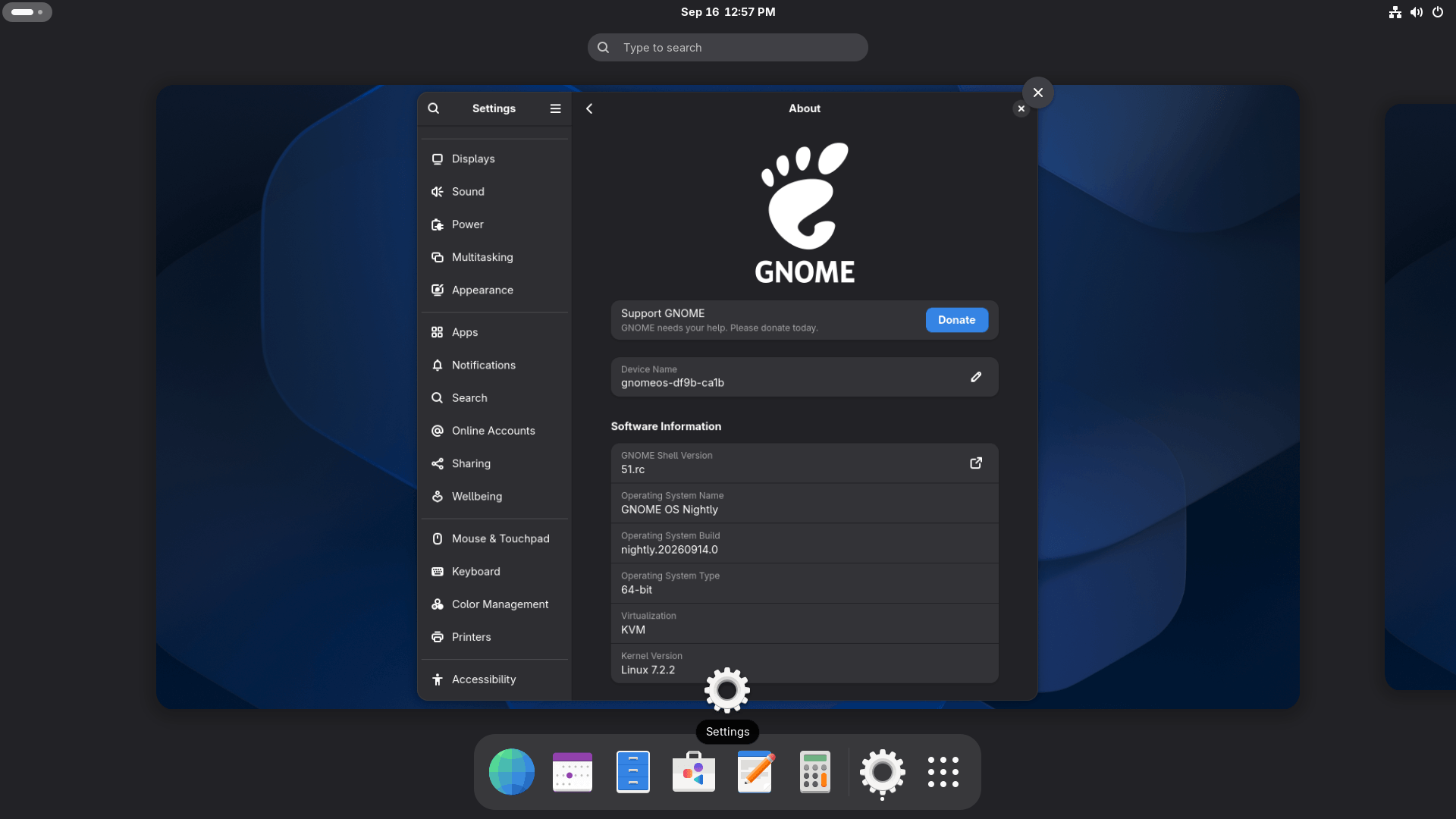
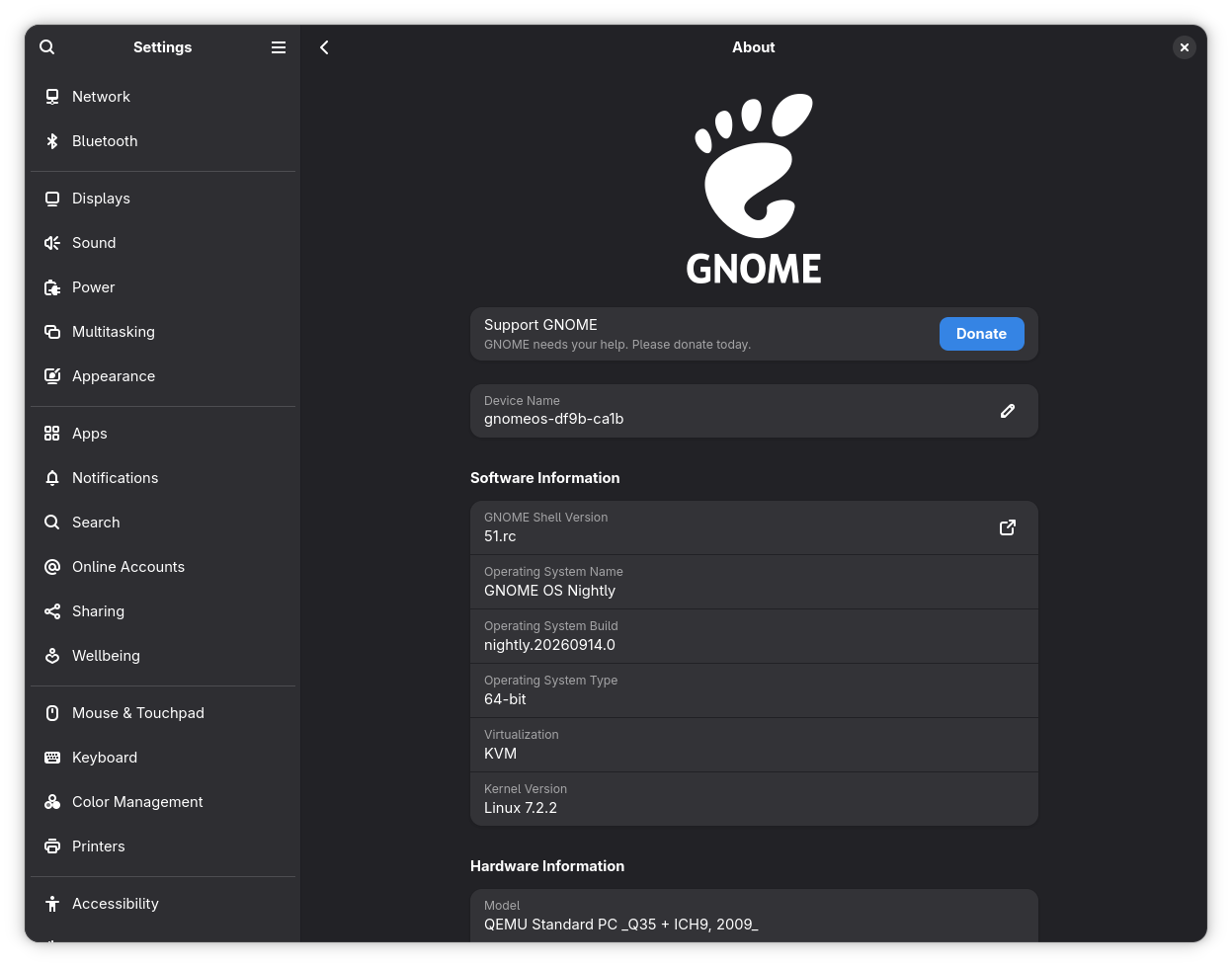
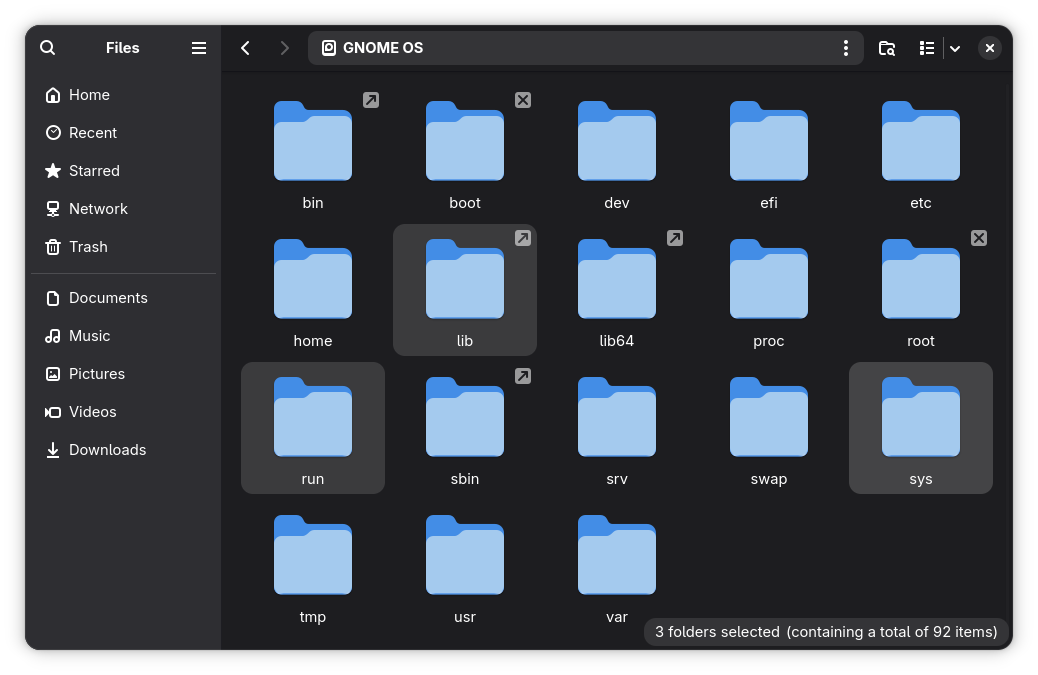
The overhaul of the Settings app is particularly noteworthy. By removing the redundant "System Details" button and integrating that information directly into the About page, the interface feels less cluttered. Similarly, the Files application (Nautilus) now includes a count badge for drag-and-drop operations, a small but essential quality-of-life feature that provides immediate visual feedback.
Official Responses and Developer Insights
The GNOME Project has been vocal about the philosophy behind this release. In recent developer blog posts, the team emphasized that GNOME 51 was intended to be a "settling release."
"Our focus for 51 was not necessarily to reinvent the wheel, but to ensure that every part of the wheel is turning as smoothly as possible," one lead developer noted. The decision to move core applications like the Calendar to GListModel was driven by a need for better performance in memory-constrained environments. By standardizing the underlying data models, the developers have ensured that future updates will be easier to implement and less prone to regressions.
Furthermore, the decision to block the autologin bypass in GDM was a direct response to security audits. The team remains committed to the principle that "secure by default" is the only acceptable path for a desktop environment that is now being used in more diverse, and sometimes sensitive, professional settings.
Implications: The Future of the Linux Desktop
The release of GNOME 51 carries several implications for the future of the Linux ecosystem.
1. The Consolidation of Quality
As Linux distributions become more common in the enterprise and academic worlds, the expectations for stability have skyrocketed. GNOME 51 meets these expectations by prioritizing reliability over experimental features. The cleanup of the Settings app and the removal of the redundant System Details button suggest that the project is increasingly focused on the needs of non-technical users who value a distraction-free environment.
2. A Shift in Hardware Support
The deprecation of legacy NVIDIA drivers within Mutter is a clear message to hardware manufacturers: the future of Linux is Wayland. While this may cause temporary friction for users running hardware that is over a decade old, it is a necessary step to reduce the maintenance burden on core contributors. This ensures that the limited development resources of the GNOME team are spent on modern display technology rather than patching ancient code.
3. Strengthening the App Ecosystem
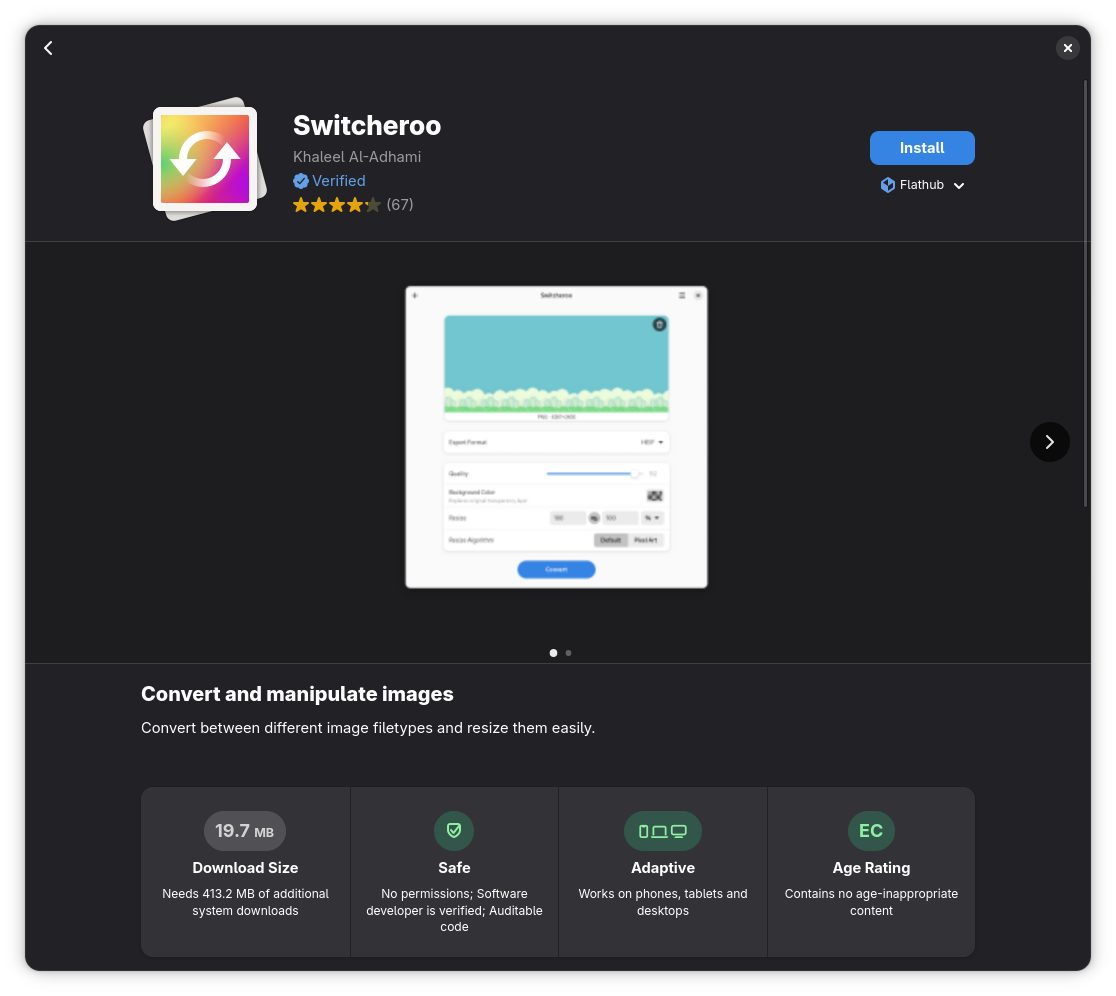
The improvements to GNOME Software, particularly the warnings regarding end-of-life (EOL) applications, represent a maturation of the app store model. By giving users more information about the security and support status of their installed software, GNOME is effectively building a safer, more transparent computing experience.
Getting Started with GNOME 51
For those eager to experience these changes firsthand, the path to installation depends on your distribution of choice:
- Rolling Release Users: If you are running Arch Linux, CachyOS, or EndeavourOS, the update should be available via your standard package manager as soon as the maintainers push the latest build to the repositories.
- Mainstream Distribution Users: Ubuntu and Fedora users can expect the update to land in the upcoming releases of Ubuntu 26.10 and Fedora 45. These releases will serve as the primary vehicle for delivering GNOME 51 to the broader public.
- Developers and Enthusiasts: The GNOME OS project remains the gold standard for testing new releases in a clean, isolated environment. By running GNOME OS in a virtual machine or on a spare testing device, users can explore the new features without impacting their daily workflow.
Conclusion
GNOME 51 is a testament to the power of incremental progress. By listening to user feedback, addressing long-standing security concerns, and refining the visual and functional language of the desktop, the GNOME team has once again proven why this environment remains the benchmark for Linux. Whether you are a newcomer installing your first distro or a long-time power user, version 51 provides a polished, secure, and intuitive foundation for all your computing needs. As the project looks toward the future, one thing is clear: the GNOME desktop is not just surviving; it is evolving with grace and precision.