Beyond Retirement: New Proteomic Mapping Reveals the Postmenopausal Ovary as a Hub of Dynamic Biological Activity
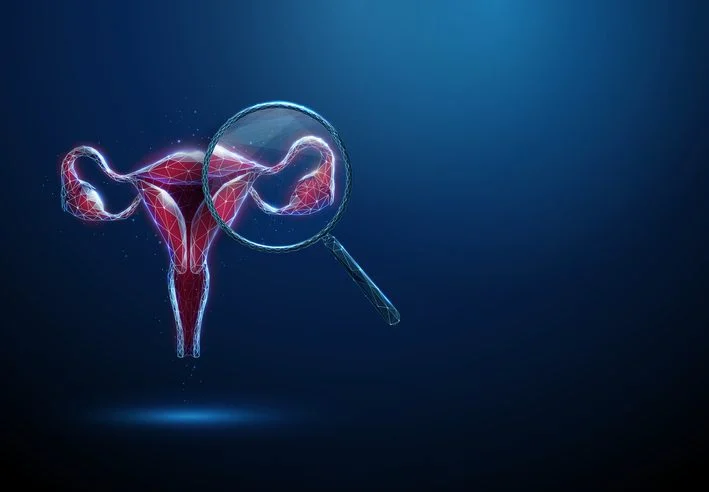
For decades, the medical community and the general public have operated under a pervasive assumption: once a woman reaches menopause, her ovaries enter a state of permanent retirement. Viewed as little more than a "fibrotic remnant"—a vestigial organ akin to the appendix—the postmenopausal ovary was traditionally believed to sit idle, having exhausted its biological purpose of egg production.
However, a groundbreaking study published in the journal Aging Cell is shattering this long-held misconception. By peering into the microscopic machinery of ovarian tissue through the lens of high-resolution proteomics, researchers have revealed that the ovary remains a site of profound, decades-long biological transformation. Far from being a stagnant bystander in the aging process, the ovary continues to reorganize its metabolism, immune activity, and structural composition long after reproductive capacity has ceased.
The Study: Unveiling the Molecular Blueprint
The research, a collaborative effort between Northwestern University and the Buck Institute for Research on Aging, provides the first comprehensive "molecular map" of the postmenopausal ovary. By analyzing healthy ovarian tissue from 28 women aged 50 to 75, the team sought to understand what happens to this organ when it is no longer governed by the cyclical demands of ovulation.
"I would venture to say most people assume those ovaries are just sitting there doing nothing," says Dr. Francesca Duncan, co-corresponding author and associate professor of reproductive science in medicine at Northwestern University Feinberg School of Medicine. "But that is what makes this study very different. We are seeing that this organ is, in fact, quite busy."
To move beyond the limitations of hormone-focused research, the team employed state-of-the-art data-independent acquisition mass spectrometry, specifically the diaPASEF (parallel accumulation–serial fragmentation) approach. This high-precision technology allowed the researchers to quantify an impressive 5,812 protein groups. Through a rigorous suite of analytical techniques—including multivariate modeling, differential-abundance testing, and continuous-age regression—the scientists identified distinct molecular signatures that evolve as women age through their 50s, 60s, and 70s.
Chronology of Ovarian Aging
The study demonstrates that the postmenopausal ovary does not simply "shut down"; it undergoes a phased, systematic shift in its functional priorities.
The 50s: A Period of Cellular Maintenance
In the early decades following menopause, the ovarian proteome is dominated by proteins involved in fundamental cellular housekeeping. The tissue shows high activity related to RNA processing, gene regulation, and proteostasis (the maintenance of a stable protein environment). At this stage, the ovary appears to be in a transition phase, still managing the structural remnants of its reproductive past while beginning the slow process of cellular reorganization.
The 60s: The Bridge to Inflammation
As women move into their 60s, the tissue begins to exhibit signatures that overlap with senescence-associated programs. Notably, researchers observed proteins that have been historically linked to ovarian cancer. However, the study authors are quick to clarify a crucial distinction: this is not an indication of malignancy. Rather, it suggests that the pathways involved in healthy aging share a biological "vocabulary" with those involved in cancer, specifically regarding inflammatory signaling and extracellular matrix remodeling. This overlap highlights the complexity of the organ’s behavior as it enters its seventh decade.
The 70s and Beyond: Metabolic and Immune Reorientation
By the time women reach their 70s, the ovarian profile shifts significantly toward lipid metabolism and heightened innate immunity. The organ is no longer just managing its own internal structure; it is communicating with the broader immune environment. This transition signals a pivot from the maintenance of reproductive-associated structures to a more active, systemic role in the body’s inflammatory and metabolic landscape.
Supporting Data: The BuckPOMS Signature
The culmination of this research is the development of the "Buck Postmenopausal Ovary Molecular Signature" (BuckPOMS). This 26-protein consensus signature acts as a diagnostic fingerprint for the aging ovary.
The BuckPOMS is characterized by two distinct movements:
- The Loss: A decline in structural and epithelial-associated programs that were necessary for the organ’s reproductive function.
- The Gain: An increase in extracellular matrix remodeling, inflammatory signaling, and complement activation.
By validating two specific extracellular proteins—WNT4 and fibromodulin—using immunohistochemistry, the team confirmed that these signals were not mere statistical artifacts but physical realities within the tissue. "What became clear across all these methodologies," explains Dr. Birgit Schilling, professor and director of the Buck Institute’s Mass Spectrometry Center, "is that the ovary was not stagnant."
Official Responses and Expert Perspective
The researchers involved in the study emphasize that this discovery shifts the paradigm of women’s health. If the ovary is indeed a metabolically and immunologically active organ long after menopause, it can no longer be ignored in the context of systemic health.
Dr. Schilling highlights the potential crosstalk between the ovary and other vital systems: "The ovary is not just a reproductive organ. It really influences how somebody ages because it speaks to all these other organs, such as the brain, and also to the bone. Women after menopause often experience a lot of bone problems. We think there is a connection between all these organs."
The researchers suggest that the ovary’s activity may play a role in the systemic aging process, influencing how a woman experiences cardiovascular, skeletal, and neurological changes in her later years. This implies that the current medical practice of treating the postmenopausal ovary as an inert, disposable organ may need a complete re-evaluation.
Implications for Future Medicine
The implications of this study are profound, particularly for the fields of endocrinology, oncology, and gerontology. By narrowing the scope of inquiry to the post-reproductive period, the team has created a reference map that could eventually help doctors distinguish between "healthy" aging and pathological changes.
Rethinking the "Innocent Bystander"
The authors suggest that the postmenopausal ovary is far from an "innocent bystander." Instead, it may be an active participant in determining the trajectory of aging. This raises critical questions about whether the ovary’s ongoing activity is a protective mechanism, a neutral process, or potentially a driver of chronic disease risk.
Challenges and Future Directions
Despite the significance of these findings, the researchers acknowledge the limitations of their initial cohort. Future prospective studies are essential to provide a more granular view of ovarian health. Key areas for future research include:
- Hormonal History: Incorporating data on a woman’s history of hormone replacement therapy (HRT) to see how exogenous hormones impact the proteomic landscape of the ovary.
- Longitudinal Health Outcomes: Connecting the molecular signatures of the ovary to the specific health outcomes of the women over time.
- Diverse Cohorts: Expanding the sample size and diversity of participants to ensure the findings are representative of the broader population.
"We do not yet know if there is ever a point in a woman’s life when this organ is no longer beneficial and it is actually harmful," Dr. Duncan admits. "These results really point to the need to ask this question."
Conclusion
The study of the postmenopausal ovary is effectively in its infancy. For decades, the field of reproductive science focused heavily on the cessation of fertility, viewing menopause as the "end of the story" for ovarian function. This new proteomic data suggests that, in reality, it is merely the beginning of a different chapter—one defined by active remodeling, immune signaling, and metabolic adaptation.
As scientists continue to map the postmenopausal ovary, the findings may fundamentally alter how we approach women’s health in the decades following reproduction. If we can understand how the ovary influences the brain, bone, and heart through its molecular signaling, we may unlock new pathways to intervene in chronic disease and improve the quality of life for women in their later years. The retired organ, it turns out, has been working all along.