The Future of Mobile Development: Android Studio Quail 4 Reaches Stable Release

By Technical Editorial Staff
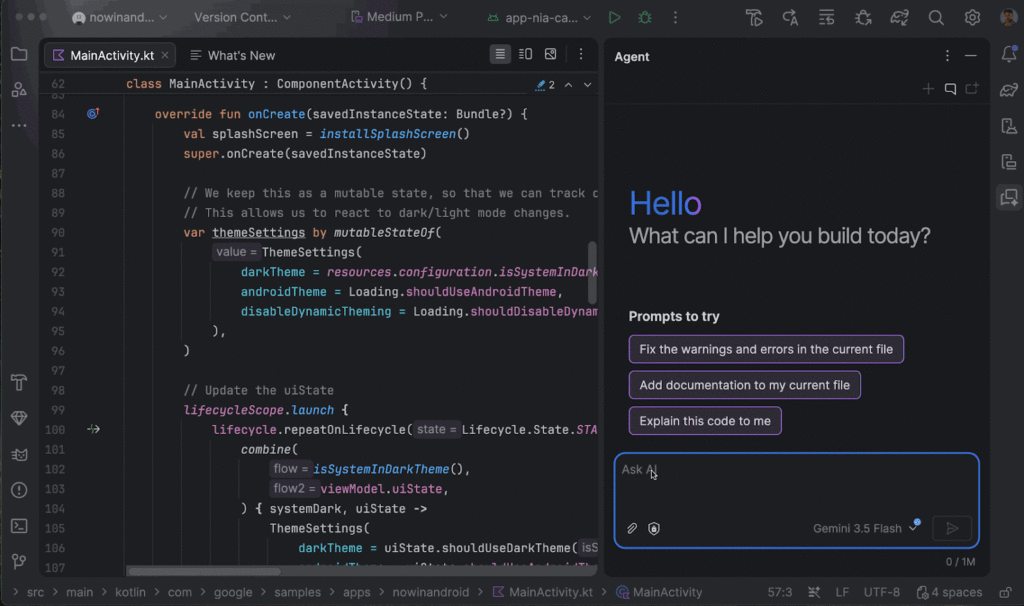
Google has officially announced the stable release of Android Studio Quail 4, marking the culmination of the “Quail” series—a development cycle characterized by an aggressive, industry-leading integration of generative AI into the mobile application development workflow. With this release, the Android team, led by Product Manager Amman Fasil Asfaw, aims to transform the IDE from a mere text editor into an intelligent, agentic co-pilot capable of navigating the increasingly complex Android ecosystem.
For developers worldwide, Quail 4 represents more than just a software update; it is a fundamental shift in how applications are architected, debugged, and deployed. By bundling specialized domain knowledge directly into the IDE, Google is addressing one of the most persistent pain points of modern development: the “hallucination” of general-purpose LLMs when tasked with evolving Android APIs.
Main Facts: What Defines Quail 4?
Android Studio Quail 4 is defined by three primary pillars: Context-Aware Agentic Intelligence, Privacy-First Local Model Integration, and Enhanced Parallel Workflow Management.
The core of the release is the introduction of "Android Skills." Unlike generic AI models that may rely on outdated training data, Android Skills are modular, AI-optimized instructions curated by the very engineers who build the Android platform. These skills act as a "specialist layer" on top of the IDE’s AI agent, allowing the model to perform complex tasks—such as migrating legacy codebases or implementing modern architecture patterns—with high precision.

Furthermore, the release brings native support for Google’s Gemma 4. This integration allows developers to leverage a high-performance, open-weights model locally. This is a critical development for enterprise teams with strict data security protocols, as it enables AI-assisted coding in environments where source code must never leave the local machine.
A Chronological Evolution: The Road to Quail 4
The Quail series has been a rapid-fire sequence of releases, each designed to refine the developer’s interaction with artificial intelligence.
- Android Studio Quail (Initial Launch): The series debuted with the foundational integration of Gemini, introducing the basic concept of an AI agent within the IDE to assist with boilerplate code generation and documentation lookups.
- Quail 2 (Agentic Multitasking): This milestone introduced parallel chat threads, allowing developers to manage multiple distinct AI-assisted tasks simultaneously without context switching or losing the history of previous prompts.
- Quail 3 (Refinement and Optimization): Focused on performance and bug resolution, this release stabilized the agentic interface and prepared the infrastructure for the "Skills" framework that would define the final iteration.
- Quail 4 (The Stable Masterpiece): The current release consolidates the previous gains, introduces the 23 pre-loaded Android Skills, adds native Gemma 4 support, and polishes the user interface for parallel task monitoring.
Supporting Data: Enhancing Developer Velocity
The move toward an agentic IDE is backed by internal data suggesting that context switching and "prompt engineering" are the primary culprits in developer downtime. By pre-loading 23 curated Android skills, Google effectively eliminates the need for developers to manually configure environments or hunt for the latest documentation on Android-specific APIs.
The "Android Skills" framework utilizes an open-standard specification, meaning that these instructions are not proprietary black boxes. Developers have the agency to create their own custom skills, essentially building a library of "tribal knowledge" specific to their company’s coding standards. Whether it is a specialized migration script or a custom UI component library, these skills can be shared across teams, ensuring that the AI agent consistently follows the organization’s unique best practices.
For power users, the command-line interface (CLI) support for these skills via android-cli ensures that the benefits of Quail 4 are not locked behind a GUI. This flexibility is a direct response to the requirements of large-scale, enterprise-level development teams that rely on automated CI/CD pipelines.

Official Perspective: The "Agentic" Vision
In his official announcement, Amman Fasil Asfaw emphasized the necessity of domain-specific intelligence. "While LLMs are incredibly capable at generic coding queries," Asfaw noted, "they frequently write incorrect or outdated code when confronted with rapidly evolving Android APIs."
The official stance from the Android team is clear: AI is no longer an optional add-on; it is a structural component of the IDE. By embedding the "how-to" of Android development directly into the agent’s logic, Google is aiming to reduce the cognitive load on developers. This allows human engineers to focus on architectural decisions and user experience, while the AI manages the structural nuances of the platform.
The decision to offer multiple tiers of access—including a free, dynamically adjusted default Gemini experience and premium, high-quota options—reflects Google’s attempt to balance accessibility for independent developers with the performance demands of enterprise-scale engineering firms.
Implications: The Future of Android Development
The release of Android Studio Quail 4 suggests a profound shift in the skills required to be a successful mobile developer.
1. The Death of Boilerplate
As AI agents become more proficient at handling configuration structures and platform-specific migrations, the manual effort associated with setting up a new project or upgrading dependencies will likely diminish significantly. The role of the developer is shifting from “writer” to “reviewer” and “architect.”

2. Privacy as a Competitive Advantage
The native integration of Gemma 4 is a strategic move to capture the enterprise market. By providing an offline, private AI coding environment, Google is addressing the primary objection to AI adoption: the fear of intellectual property leakage. Companies that were previously hesitant to use AI due to security policies can now leverage the technology securely.
3. The Rise of Custom "Skills"
We are entering an era where "coding" will involve managing a repository of AI skills as much as it involves writing lines of Kotlin or Java. The ability to write clean, modular documentation that an LLM can interpret (i.e., a "Skill") will become an essential skill for senior engineers and team leads.
4. A Standardized Ecosystem
By championing an open-standard agent skills specification, Google is attempting to prevent the fragmentation of AI developer tools. If other IDEs or CLI tools adopt these specifications, we may soon see a cross-platform standard for how AI agents interact with development environments.
Conclusion: Getting Started
Android Studio Quail 4 is now available through the stable channel, and the Android team strongly encourages all developers to transition to this version to take full advantage of the stability and intelligence enhancements.
For teams currently struggling with outdated codebases or the overhead of managing complex configurations, the new "Skills" framework offers a clear path toward modernization. As always, the success of this toolset will depend on user feedback. Google has invited developers to utilize the official bug tracker to report issues, reinforcing the collaborative nature of the Android ecosystem.

The Quail series has successfully bridged the gap between raw generative AI and the pragmatic requirements of professional mobile development. As the industry looks toward the next major iteration of Android Studio, one thing is certain: the era of the AI-powered developer has arrived, and it is significantly more efficient than the era that preceded it.
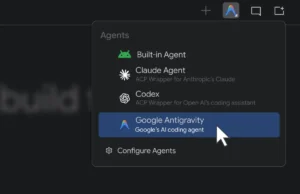
To begin your transition, download the latest version of Android Studio from the official developer portal and explore the new settings menu to configure your preferred AI agent and local model settings.