The Future of Personalization: Google Announces Inaugural Developer Summit on Recommendation Systems
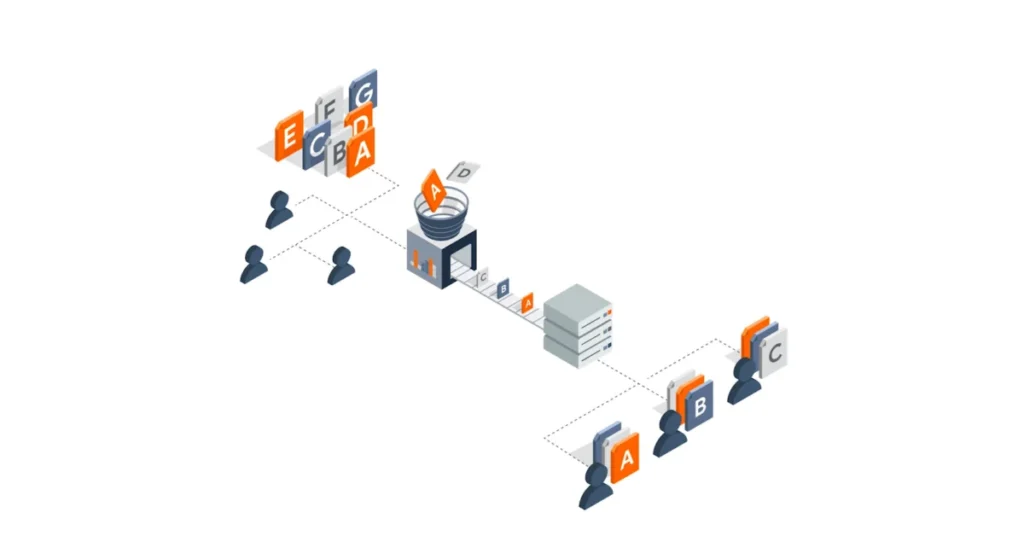
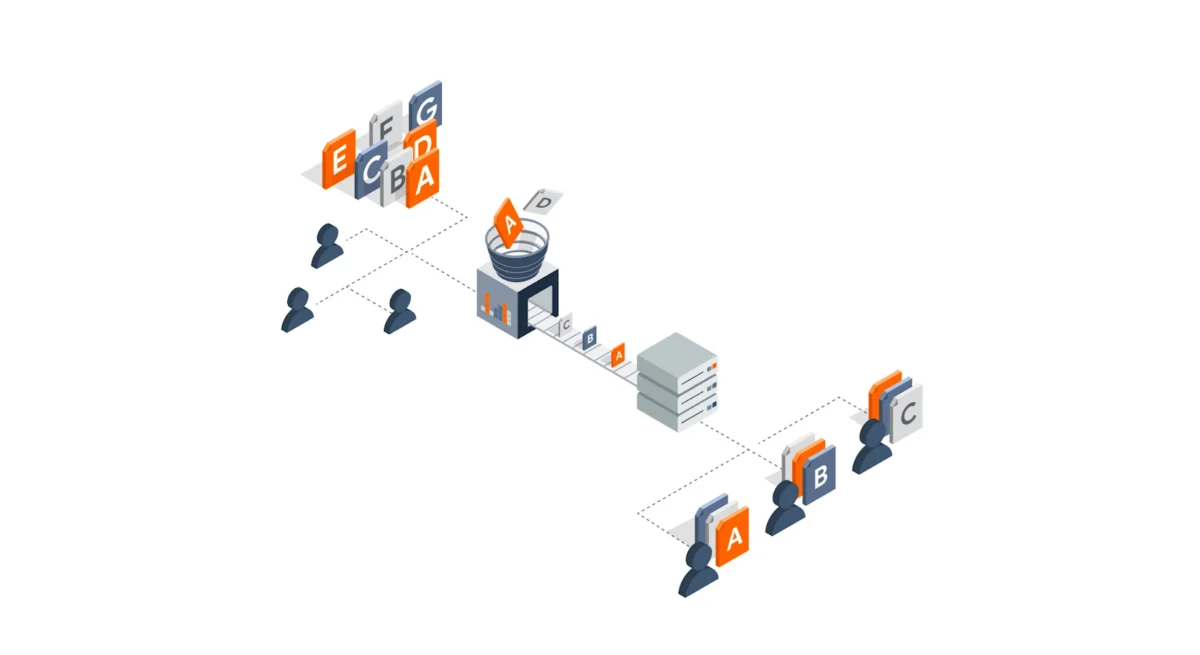
In an era defined by information overload, the "recommendation system" has emerged as the silent architect of our digital experience. From the curated playlists on Spotify and the product suggestions on Amazon to the personalized feeds on TikTok, these algorithmic engines serve as the critical bridge between massive datasets and individual user preferences. Recognizing the burgeoning need for professional-grade guidance in this space, Google has officially announced its first-ever Developer Summit on Recommendation Systems, scheduled for June 9, 2023.
The event, led by Developer Advocate Wei Wei, aims to demystify the complex ecosystem of modern recommendation technology, providing a platform for practitioners to engage directly with the Google engineers who shape the industry’s most powerful frameworks.
The Core Objective: Demystifying the Algorithmic Engine
Recommendation systems are no longer a luxury; they are a fundamental component of business growth. However, for many developers, the barrier to entry remains high. Building a system that is not only accurate but also scalable, performant, and ethical requires a sophisticated understanding of machine learning (ML) architecture.
Since the launch of Google’s consolidated Recommendation System landing page last year, the company has observed a massive uptick in interest from the developer community. While the landing page succeeded in providing a roadmap for entry-level tasks, the feedback from the field was clear: developers are hungry for deeper technical insights, architectural best practices, and guidance on how to tailor these systems for specific enterprise-level business goals.
The upcoming summit is a direct response to this demand. It seeks to transition the conversation from "how to get started" to "how to build the next generation of intelligent systems."
Chronology of the Initiative: From Documentation to Dialogue
The journey toward this summit represents a multi-year effort by Google to democratize access to advanced ML tools.
- 2022: The Foundation. Google launched its centralized recommendation resources, a one-stop-shop for developers to access TensorFlow-based tools. This phase was focused on consolidation—bringing disparate tools into a single ecosystem to reduce the friction of finding relevant documentation.
- Early 2023: The Community Feedback Loop. Through developer surveys and forum engagements, Google identified a "knowledge gap" regarding the integration of emerging technologies—specifically Large Language Models (LLMs)—into existing recommendation pipelines.
- June 9, 2023: The Summit. The event will serve as a synthesis of the last year’s developments, combining academic research with hands-on technical application.
Supporting Data: The Tools of the Trade
The summit will center on three primary pillars of Google’s open-source machine learning suite. Understanding these tools is essential to grasping why this event holds significance for the broader data science community.
1. TensorFlow Recommenders (TFRS)
At the heart of the toolkit is TensorFlow Recommenders, a library built on top of TensorFlow that makes it significantly easier to build, evaluate, and serve sophisticated recommendation models. TFRS allows developers to create flexible models that can handle complex multi-task learning, which is essential for systems that need to balance user engagement, conversion rates, and long-term retention.
2. TensorFlow Ranking
Beyond simple suggestion lists, the industry is moving toward "Ranking." TensorFlow Ranking allows developers to optimize the order of items based on multiple relevance signals. This is the difference between a system that shows "stuff you might like" and a system that shows "the single best item for you right now."
3. TensorFlow Agents
Recommendation systems are increasingly becoming dynamic, requiring "Reinforcement Learning" (RL). TensorFlow Agents provides the infrastructure to build systems that learn from user interactions in real-time, adapting to changing preferences without requiring constant manual retraining of the underlying models.

The Frontier: Large Language Models and Generative Retrieval
Perhaps the most anticipated segment of the summit is the discussion on the intersection of Generative AI and recommendation systems. The industry is currently witnessing a paradigm shift. Traditionally, recommenders relied on collaborative filtering—looking at what "similar users" liked. Today, the integration of LLMs is changing the game.
Generative Retrieval: A New Paradigm
Google is slated to discuss its cutting-edge research in Generative Retrieval. Unlike traditional search, which maps a query to an existing index, generative retrieval uses AI to "generate" the relevance score or even the item representation directly. This reduces the latency of large-scale retrieval systems and opens the door to systems that can understand context far better than traditional keyword-matching engines.
By leveraging LLMs to interpret the nuance of user intent—moving beyond simple clicks and views to understanding the "why" behind a user’s action—developers can create significantly more empathetic and accurate systems.
Official Perspectives: Why This Summit Matters
In a statement regarding the upcoming event, Wei Wei emphasized the inclusivity of the summit’s agenda. "Whether you’re just getting started or a seasoned practitioner in this exciting domain, you’re sure to find something valuable," Wei noted.
This professional journalistic assessment suggests that Google is aiming for a "big tent" approach. By positioning the summit as an educational forum rather than just a product launch, they are fostering a developer ecosystem that is more loyal to the TensorFlow platform.
Implications for the Market
- Standardization: As more developers adopt these specific tools, Google’s methodologies are likely to become the industry standard for building recommendation systems.
- Increased Competition: By lowering the technical barrier to entry for complex, AI-driven recommendation engines, Google is empowering smaller firms to compete with the "big tech" giants who have historically held a monopoly on sophisticated ML infrastructure.
- The Ethics of AI: While not explicitly on the agenda, the shift toward LLM-based recommendations carries significant implications for data privacy and algorithmic bias. The summit will likely serve as the first major industry venue for discussing the responsible implementation of these powerful tools.
How to Participate
The summit is scheduled for June 9, 2023, from 10:00 AM to 12:15 PM US Pacific Time. Given the global nature of the developer community, the event will be held entirely online, ensuring accessibility for practitioners worldwide.
Interested participants are encouraged to register through the official Google RSVP portal. The event is free of charge, reflecting Google’s broader strategy of investing in the developer community to drive long-term adoption of its cloud and machine learning ecosystem.
Conclusion: Shaping the Digital Future
As we navigate an increasingly digital world, the systems that suggest our next book, movie, or career move are becoming more integrated into our decision-making processes. The Developer Summit on Recommendation Systems is more than just a training event; it is a signal of where the industry is heading.
By bridging the gap between high-level research and practical application, Google is setting the stage for a new wave of innovation. For developers, the summit offers a rare opportunity to peer under the hood of the systems that power the internet, providing the knowledge necessary to build smarter, faster, and more human-centric recommendation engines. Whether you are a student, a startup founder, or a senior engineer, the convergence of generative AI and traditional recommendation techniques is a space worth watching.