The Silent Spread: Australia’s Battle with H5N1 and the Global Pandemic Threat
As the Southern Hemisphere moves through the seasonal shifts of the year, health authorities are not only looking at the familiar patterns of seasonal influenza but are increasingly focused on a more menacing viral threat. The highly pathogenic avian influenza (HPAI) H5N1—a subtype of influenza A—has long been flagged by virologists as one of the most significant pandemic threats facing the modern world. While traditionally confined to avian populations, the virus’s recent expansion into diverse mammalian species has triggered a global state of heightened surveillance and scientific concern.
Most recently, Australia has become the latest front in this ongoing struggle. Following the first detection of the H5N1 clade 2.3.4.4b in Australian wildlife in June, the virus has moved with alarming speed into the country’s marine mammal populations. This development has prompted a massive, coordinated response from the Global Virus Network (GVN) and local health officials, who are racing to understand the genomic profile of these infections and the potential risks they pose to human health.
The Core Facts: Understanding the H5N1 Threat
At its core, H5N1 is a zoonotic virus, meaning it primarily circulates among animals—in this case, wild birds. However, the current iteration of the virus, specifically the clade 2.3.4.4b, has demonstrated a remarkable ability to jump species barriers. While the World Health Organization (WHO) maintains that there is currently no evidence of sustained person-to-person transmission, the virus’s movement into mammals is a "red flag" event in the world of infectious disease.
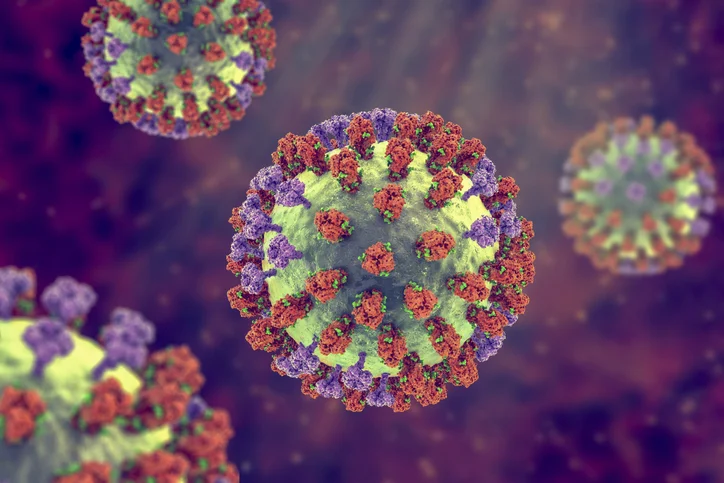
The virus functions through its surface glycoprotein spikes: hemagglutinin (HA) and neuraminidase (NA). These proteins act as keys that allow the virus to dock with and enter host cells. When the virus evolves to bind more efficiently with the cell receptors found in mammals—rather than just those in birds—the risk of a human-transmissible pandemic increases significantly. Because the virus is now appearing in dairy cattle, seals, sea lions, foxes, and dolphins globally, the scientific community is observing a widening ecological footprint that increases the frequency of "spillover" events.
A Chronology of the Australian Incursion
The timeline of H5N1 in Australia is a stark illustration of how quickly an avian pathogen can permeate a new environment.
- June 2024: The first confirmation of H5N1 clade 2.3.4.4b occurs in wild seabirds across Australia. This initial detection signaled the arrival of a virus that had already decimated bird populations across Europe, North America, and South America.
- August 23, 2024: The first mammalian case in Australia is confirmed. A long-nosed fur seal discovered at Beachport in South Australia tests positive, marking a critical pivot point in the national response.
- August 25, 2024: Only 48 hours later, a second long-nosed fur seal near Kangaroo Island is confirmed to be infected.
- Late August/Early September 2024: The surveillance net widens. Authorities confirm the virus has moved into additional species, including red foxes and a common dolphin, indicating that the virus is not restricted to a single niche.
- September 2024: Authorities confirm the first case in an endangered Australian sea lion at Seal Bay on Kangaroo Island.
- September 17, 2024: The national tally of confirmed wildlife events reaches 576. These events—which range from single animal infections to mass mortality incidents among greater crested terns—highlight the sheer scale of the ecological impact.
Supporting Data and Genomic Vigilance
The current situation in Australia is being treated with the utmost scientific rigor. The priority is not merely counting the dead, but conducting "detailed genomic analysis" of the viral samples.
Researchers, including Dr. Michelle Wille of the University of Melbourne and the Peter Doherty Institute for Infection and Immunity, are working to answer a critical question: Are these infections the result of multiple, independent spillover events from birds, or is the virus beginning to transmit from mammal to mammal?
The distinction is vital. If the virus is transmitting from mammal to mammal, it suggests the virus is undergoing mutations that allow it to adapt to mammalian biology. This is the primary mechanism through which influenza viruses typically gain the capacity to cause human pandemics.
Data from international outbreaks in seal and sea lion populations—notably in South America—have provided a grim roadmap for what might happen if the virus continues to circulate unchecked. The GVN has been vocal in its warnings, emphasizing that the genomic monitoring currently underway in Australia is the best defense against a sudden shift in the virus’s behavior.
Official Responses and Strategic Preparedness
The GVN, in conjunction with international health bodies, has maintained a consistent message: "There is no reason for alarm, but there is every reason to remain vigilant."
Dr. Sten H. Vermund, the GVN’s chief medical officer and dean of the University of South Florida College of Public Health, has been a key voice in calling for a global, unified response. His perspective centers on the necessity of "surveillance across species" and the "open sharing" of data. The idea is that by maintaining a transparent, global database of viral mutations, the scientific community can identify the specific genetic signatures that signal a transition toward human-to-human transmission before it occurs.
Previous Institutional Calls to Action:
- April 2025 (Analysis in The Lancet Regional Health—Americas): The GVN issued a clarion call for enhanced biosecurity and genomic monitoring. This paper served as a foundational document for current preparedness strategies, arguing that the traditional siloed approach to animal and human health (the "One Health" approach) is insufficient against a virus as dynamic as H5N1.
- April 2026 (GVN Statement on Vaccine Development): Recognizing that natural immunity will not be enough, the GVN pushed for accelerated vaccine platforms. The statement emphasized that, while pandemic preparedness is a massive logistical challenge, the cost of inaction far outweighs the investment required for proactive vaccine development.
Implications: A Global Health Imperative
The presence of H5N1 in Australian wildlife is more than a local environmental issue; it is a global health indicator. As the virus continues to move through new ecosystems, the opportunities for it to encounter humans or domestic animals with high exposure to humans increase.
1. The Ecological Threat
The infection of endangered species, such as the Australian sea lion, presents a conservation crisis. Beyond the immediate death toll, the long-term impact on biodiversity in coastal ecosystems remains unknown. If the virus continues to cause mass mortality events in marine mammals, the ecological cascade could be devastating.
2. The Zoonotic "Bridge"
The most significant implication is the risk of the virus "bridging" from wild wildlife to livestock and eventually to humans. The dairy cattle outbreaks in the United States served as a massive wake-up call, proving that the virus can thrive in agricultural settings. The Australian situation provides a different, but equally dangerous, environment where marine-based wildlife may act as a persistent reservoir.
3. The Need for "One Health" Surveillance
The current crisis underscores the necessity of the "One Health" framework—the idea that human health, animal health, and environmental health are inextricably linked. The GVN’s insistence on cross-species surveillance is not a luxury; it is the fundamental requirement for preventing the next pandemic. By monitoring foxes, seals, and birds in tandem, researchers can map the virus’s path and identify potential human exposure points before a patient ever walks into a clinic.
4. Vaccine Preparedness
Finally, the implication for vaccine development is clear: we can no longer rely on reactive, post-outbreak vaccination programs. The speed at which H5N1 has traveled across the globe—from the Northern Hemisphere to the Southern Hemisphere, and into new species—demands a proactive approach to vaccine formulation. This involves not only creating "pre-pandemic" vaccine candidates but also developing platforms that can be rapidly adapted to the specific mutations identified through genomic surveillance.
Conclusion: Vigilance as the New Normal
As researchers in Australia continue to sequence the viral genome and track the spread of the virus through the continent’s unique wildlife, the global community watches with bated breath. The story of H5N1 is a reminder that we live in a world where pathogens know no borders.
The vigilance currently displayed by the University of Melbourne, the Peter Doherty Institute, and the Global Virus Network is the primary line of defense. Through the combination of rigorous science, international cooperation, and the rapid sharing of genomic data, the goal is to turn a potential catastrophe into a managed public health challenge. While the threat of H5N1 is sobering, the capability of modern science to track its every move offers a measure of hope. For now, the world remains in a state of watchful, informed preparation, knowing that the key to avoiding the next pandemic lies in the data we collect today.