Ubuntu 26.10 "Stonking Stingray": A Deep Dive into Canonical’s Latest Interim Release
The Linux ecosystem is buzzing with the arrival of Ubuntu 26.10, codenamed "Stonking Stingray." As an interim release, it sits between the rock-solid stability of the Long Term Support (LTS) versions and the bleeding edge of the development branch. With a support window lasting nine months—concluding in July 2027—this release is designed for developers, enthusiasts, and early adopters who require the latest kernel optimizations, cutting-edge desktop environment features, and a significant shift toward memory-safe programming languages.
Main Facts: The "Oxidation" of Ubuntu
The defining narrative of the "Stonking Stingray" release is the aggressive "oxidation" of the core system. For years, the foundational utilities of the Linux experience—cp, mv, and rm—were shackled to the legacy GNU Coreutils. While these tools have served the Unix-like world for decades, their C-based architecture has long been a target for memory-safety vulnerabilities.
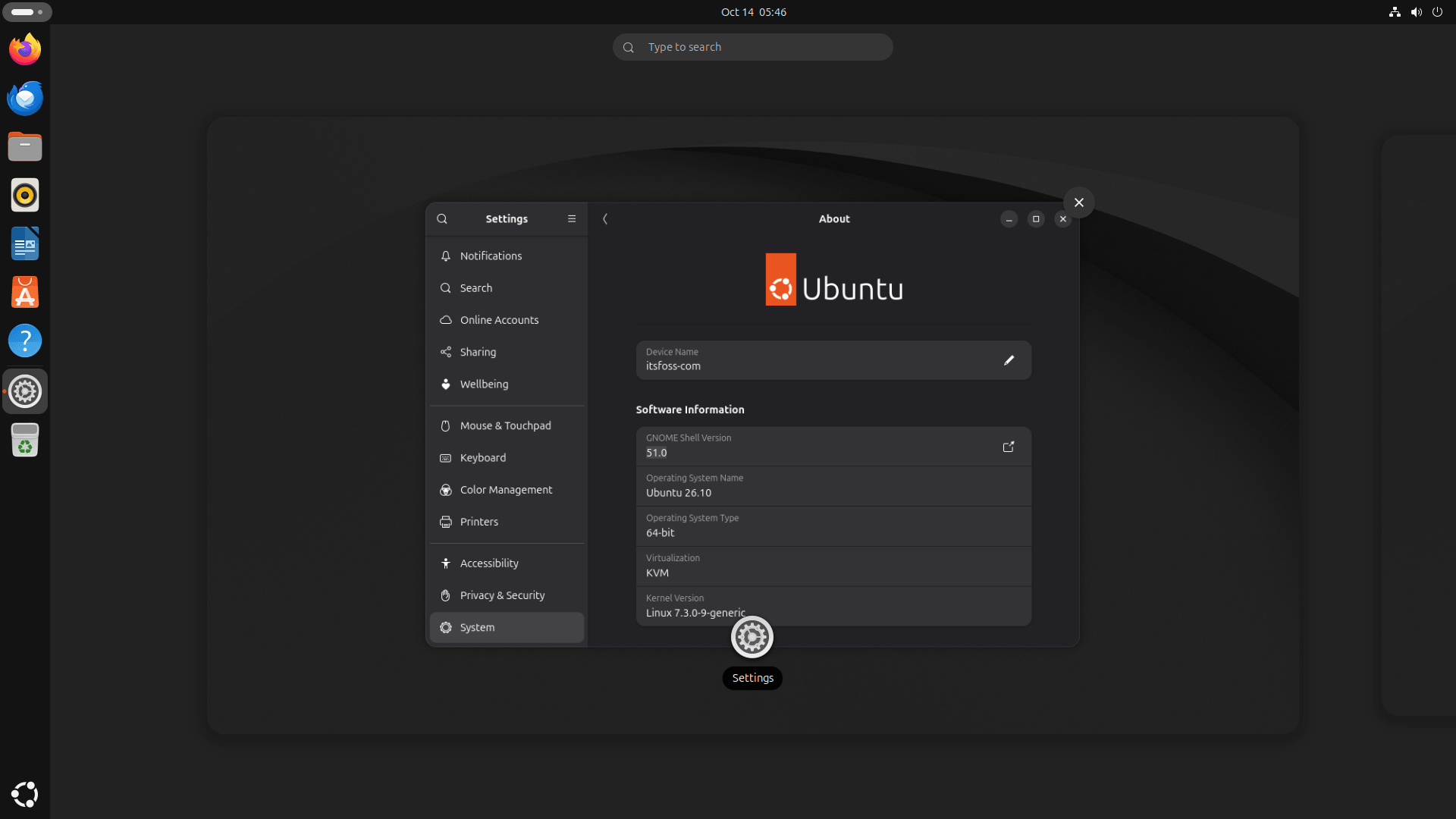
Ubuntu 26.10 marks a turning point as these core utilities have officially migrated to the uutils Rust-based implementation. This transition is not merely cosmetic; it represents a commitment to modernizing the userland, mitigating common buffer overflow risks, and embracing a language that prioritizes memory safety without sacrificing the performance benchmarks users expect.
Chronology of the Release
The journey to 26.10 began shortly after the release of the previous interim cycle. Canonical’s engineering teams, in conjunction with the upstream GNOME and kernel maintainers, followed a rigorous schedule:
- Early 2026: Initial planning for the "Stonking Stingray" feature set, with a focus on integrating the Linux 7.3 kernel.
- Mid-2026: Development cycles saw the testing of the Sequoia PGP integration to bolster security archives.
- Late Summer 2026: Finalization of the NVIDIA 615 driver series, ensuring compatibility with the latest open-source kernel modules.
- October 2026: Official release of Ubuntu 26.10, providing users with the most modern iteration of the world’s most popular desktop Linux distribution.
Under the Hood: Kernel and Performance
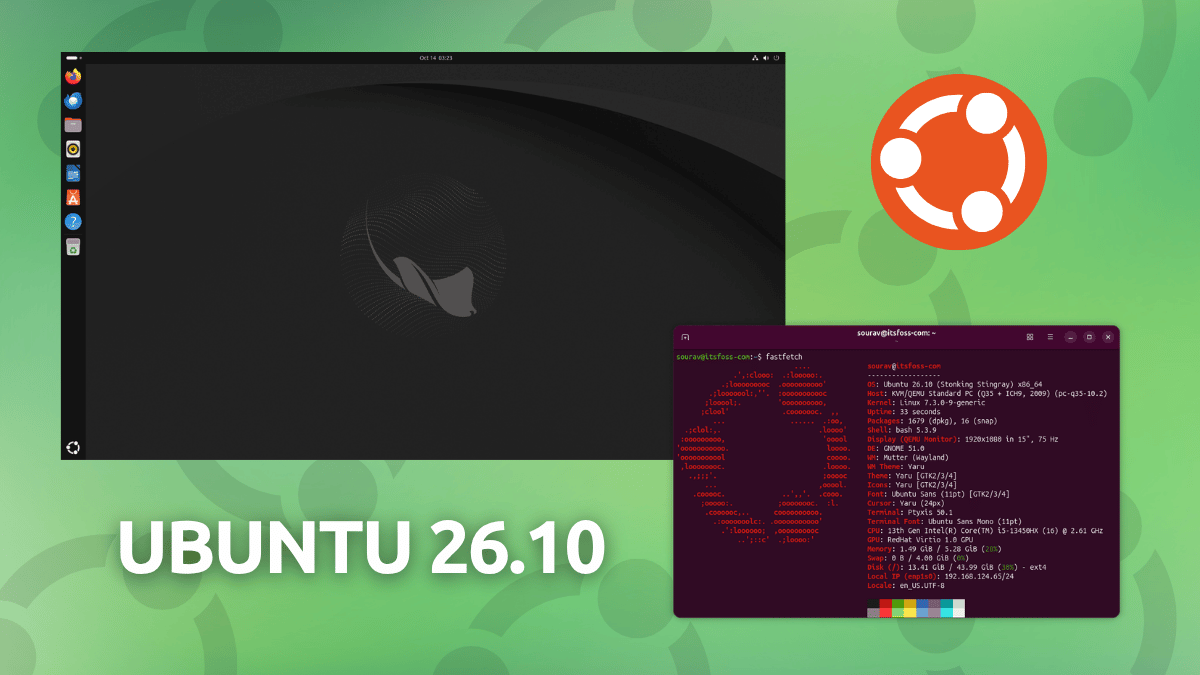
At the heart of Ubuntu 26.10 is the Linux 7.3 kernel. This kernel is widely regarded as one of the most performance-focused releases in recent memory. For laptop users, particularly those wielding the latest hardware, 7.3 brings native support for the Snapdragon X2 Elite platform, alongside broader compatibility for existing Snapdragon X Elite and X Plus devices from manufacturers like Lenovo, HP, and Acer.
VRAM Overcommit: A Win for Gamers
Perhaps the most notable technical achievement in the 7.3 kernel is the introduction of Valve engineer Natalie Vock’s VRAM overcommit logic. Historically, when a game exceeded the available video memory (VRAM) on a dedicated GPU, performance would plummet, or the application would crash. This new implementation allows the kernel to intelligently offload overflow data to system RAM. While system memory is slower than VRAM, this "graceful degradation" ensures that gaming sessions remain playable rather than catastrophic, significantly improving the experience for users on budget or entry-level graphics hardware.
The Shift to Open-Source NVIDIA Modules
Ubuntu continues its push for an open-source-first philosophy by adopting the NVIDIA 615 driver series. By moving away from older 595 and 610 series drivers, Canonical is enforcing the use of open kernel modules. This move is specifically targeted at Turing-architecture GPUs and newer, facilitating a cleaner, more transparent stack that aligns with the broader Linux goal of removing proprietary blobs from the kernel space.
Security and the Rust Evolution
The migration to Rust is not confined to file system utilities. Ubuntu 26.10 introduces Sequoia PGP into the main archive. Developed by former GnuPG contributors, Sequoia is a modern, memory-safe implementation of the OpenPGP standard. Users will find the sq and sqv command-line tools available alongside the legacy gpg and gpgv utilities. This provides a bridge for developers who want to adopt safer cryptographic practices without breaking compatibility with existing workflows.

The Desktop Experience: GNOME 51
The user-facing side of the OS features GNOME 51, which introduces a suite of quality-of-life improvements aimed at making the desktop more intuitive.
- Fingerprint Management: The Users panel has received an overhaul, making the enrollment and management of biometric data much more transparent.
- Networking Enhancements: DNS search domains are now configurable directly through the Network settings, simplifying VPN and enterprise configurations.
- File Management: A long-requested feature, the Files (Nautilus) app now displays a count badge when dragging and dropping multiple items, providing immediate visual feedback on the scope of operations.
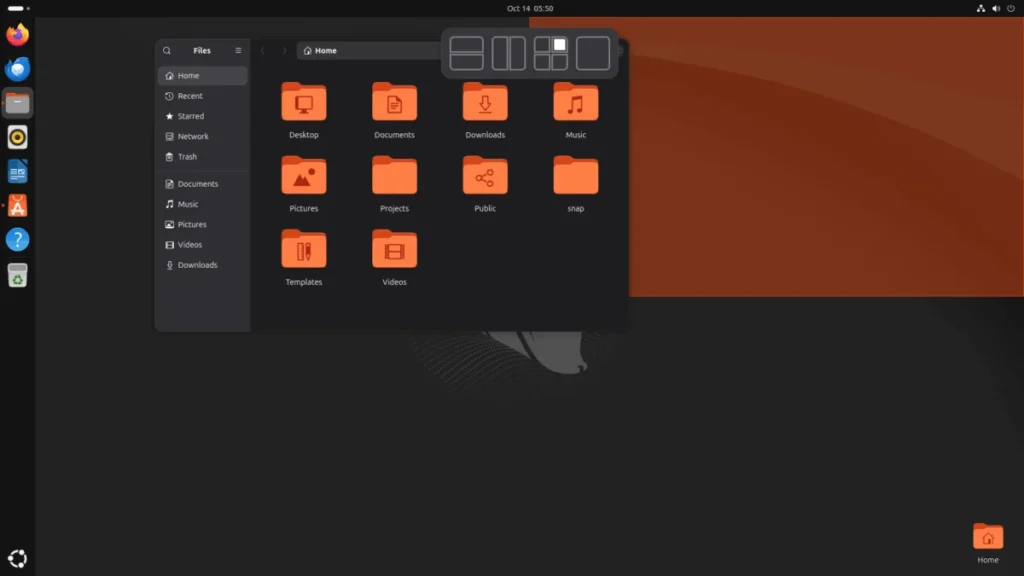
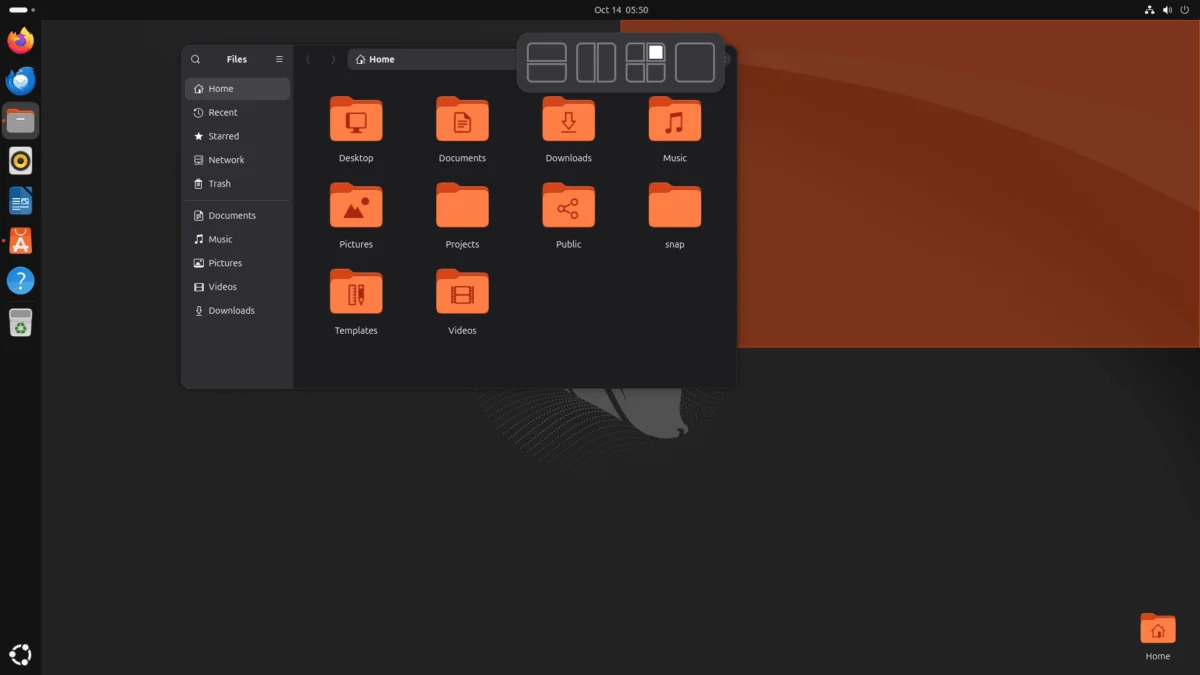
- Ubuntu Tiling Assistant: Taking a page from the productivity-focused design language of modern operating systems, the new Tiling Assistant provides a Windows-11-like interface for snappable window layouts, allowing users to organize their workspace with minimal friction.
Implications for the Future
The release of "Stonking Stingray" offers a glimpse into the roadmap for Ubuntu 28.04 LTS. While 26.10 serves as a testing ground for the Rust-based core and the latest kernel advancements, Canonical is already signaling a major overhaul for the next LTS release. Specifically, the development team has confirmed that a completely redesigned installer and a revamped first-boot onboarding flow are currently in the R&D pipeline, intended to debut in the 28.04 cycle.
For the enterprise sector, the implications of these changes are profound. The move to memory-safe languages like Rust, combined with the integration of Sequoia PGP, signals an Ubuntu that is increasingly hardened against sophisticated modern threats.
Supporting Data and Technical Specifications
Ubuntu 26.10 supports a wide array of architectures, ensuring that the distro remains the "lingua franca" of the Linux world. Official ISOs are available for:
- AMD64: Standard desktop and server deployments.
- ARM64: Ideal for modern portable hardware and cloud instances.
- RISC-V: Continuing Canonical’s support for emerging open-hardware architectures.
The transition to the 615 NVIDIA driver series represents a significant shift for the desktop gaming market, with testing indicating a notable reduction in stuttering during high-demand workloads, thanks to the new VRAM overcommit handling.
Conclusion
Ubuntu 26.10 "Stonking Stingray" is more than just a routine update. It is a bold, forward-looking statement from Canonical. By aggressively replacing legacy C utilities with Rust, embracing the most performant kernels available, and refining the GNOME desktop experience, the distribution maintains its position at the intersection of professional-grade stability and modern innovation.
Whether you are a developer looking for a stable testing environment, a gamer seeking to squeeze every frame out of your hardware, or an enterprise user looking to audit the security of your core utilities, "Stonking Stingray" provides a robust, modern, and highly capable platform. As we look toward the horizon of 2027 and the eventual release of 28.04 LTS, it is clear that Ubuntu is not just maintaining the status quo—it is actively redefining what a desktop Linux experience should look like in the modern era.
For those ready to dive in, the official Ubuntu website provides the necessary ISOs for the Desktop, Server, and Netboot variants. Users are encouraged to verify their checksums to ensure the integrity of the installation media before proceeding with their upgrades. As always, the "Stonking Stingray" is a testament to the power of the open-source community—a collaborative effort that continues to drive the evolution of personal computing.