The Human Element of Machine Intelligence: People of AI Returns for Season 2 with a Focus on Generative AI
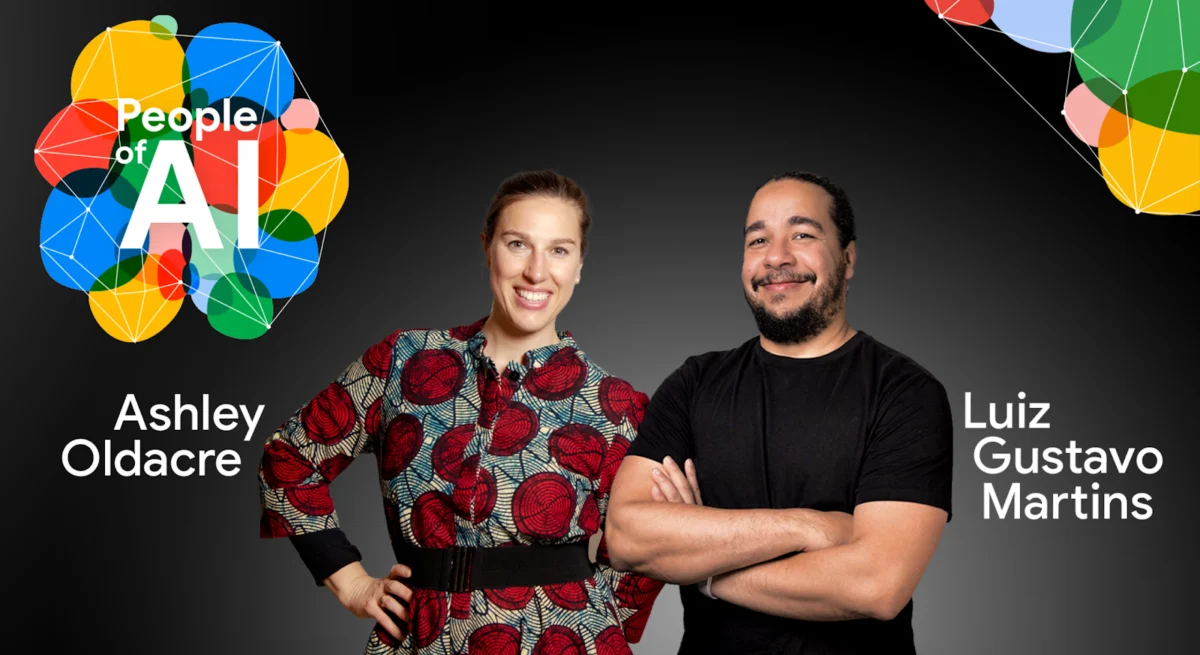
SAN FRANCISCO — As the technology sector continues to grapple with the seismic shifts brought on by machine learning and automated systems, the critically acclaimed podcast People of AI is returning for its second season. Announced by host and creator Ashley Oldacre, the new season promises a fresh lineup of industry innovators, thought leaders, and technical pioneers, alongside a new co-host, Luiz Gustavo Martins.
Sponsored by Google—with the standard caveat that all views expressed by guests are strictly their own—the second installment shifts its primary analytical lens from general machine learning accessibility to the explosive, rapidly evolving landscape of Generative AI.
For listeners seeking to understand not just the code, but the human beings behind the algorithms driving the modern economy, People of AI Season 2 arrives at a critical juncture in the tech industry’s timeline. New episodes will drop weekly across major podcast platforms, with an exciting expansion into video podcasting scheduled for later in the season.
Main Facts: What to Expect from Season 2
The premiere of People of AI Season 2 marks a strategic evolution for the series. While the inaugural season focused heavily on breaking down the barriers to entry in the artificial intelligence sector, Season 2 tackles the socio-economic and technical realities of the Generative AI boom.
- New Leadership: Ashley Oldacre welcomes Luiz Gustavo Martins as co-host, bringing fresh interview dynamics and deeper industry perspectives to the table.
- Thematic Pivot: Moving away from foundational entry pathways, Season 2 centers on Generative AI tools, their sudden market saturation, and the broader technological shift they represent.
- Release Schedule: Weekly episodes began rolling out today, accessible via the official People of AI Libsyn channel and all major podcast syndication networks.
- Format Expansion: Later in the season, the production team will introduce video podcasting, offering audiences a visual medium to connect with the featured guests.
- Core Philosophy: Despite the technological focus, the series maintains its human-centric ethos, exploring the personal career trajectories, motivations, and professional struggles of leaders in the AI space.
Chronology: The Journey from Season 1 to the Generative Era
To fully appreciate the trajectory of People of AI, it is necessary to examine how the podcast has adapted to the dizzying speed of technological innovation over the past few years.
The Foundation: Season 1 in Retrospect
When People of AI launched its first season, the artificial intelligence landscape looked markedly different. While advanced models were actively being developed in research labs, the public consciousness had not yet been fully captured by consumer-facing generative models like ChatGPT, Midjourney, or advanced text-to-code assistants.
Season 1 focused heavily on demystifying the industry. Comprising eight binge-worthy episodes, the inaugural season chronicled the diverse journeys of individuals who found their way into AI from non-traditional backgrounds. The core thesis of Season 1 was clear and democratizing: artificial intelligence is not an exclusive club reserved only for elite computer scientists with decades of specialized training.
Guests on Season 1 shared personal anecdotes illustrating that regardless of socioeconomic background, previous career focus, or specialized interests, there is a viable pathway for anyone willing to engage with machine learning. Furthermore, Season 1 placed a heavy emphasis on democratization and responsibility. Discussions frequently centered on how software tools, cloud platforms, and pre-trained machine learning services were rapidly lowering the barrier to entry, making it easier than ever for developers and enterprises to leverage AI capabilities. Crucially, these early conversations also laid the groundwork for ethical considerations, stressing the paramount importance of building and deploying AI-related products responsibly.
The Turning Point: The Generative AI Explosion
Between the conclusion of Season 1 and the development of Season 2, the tech world underwent a generational shift. The maturation of Large Language Models (LLMs), diffusion models for image generation, and multimodal architectures transformed AI from a backend optimization tool into a ubiquitous consumer and enterprise interface.
This hyper-acceleration caught the attention of the People of AI production team. Recognizing that the rules of engagement had changed almost overnight, Oldacre and her team went back to the drawing board to design a second season that directly addresses the Generative AI revolution.
Supporting Data and Context: The State of Generative AI
The launch of People of AI Season 2 does not occur in a vacuum. It arrives amidst a massive global investment wave in generative technologies, productivity shifts, and workforce transformations.
Economic Impact and Productivity Growth
According to recent macroeconomic studies by institutions like McKinsey & Company and Goldman Sachs, Generative AI has the potential to add trillions of dollars in value to the global economy. By automating routine cognitive tasks, optimizing software development pipelines, and accelerating creative workflows, generative tools are driving unprecedented levels of productivity.
However, this economic boon brings complex questions regarding workforce displacement, intellectual property rights, and institutional adaptation. Season 2 of People of AI seeks to ground these high-level economic projections in the daily reality of practitioners. By speaking directly with the engineers, researchers, and product managers building these systems, the podcast bridges the gap between macroeconomic forecasts and ground-level technical execution.
Accessibility Meets Complexity
While Season 1 focused on how cloud tools made machine learning accessible, Season 2 explores a fascinating paradox: while consumer-facing generative AI tools are easier than ever for the general public to use, building, fine-tuning, and safely deploying foundational models has become exponentially more complex and resource-intensive. The guests featured in Season 2 navigate this exact tension, discussing how they manage massive computational workloads while striving to keep their applications intuitive and safe for end-users.

Official Perspectives: Meet the Hosts and the Vision
The chemistry and expertise brought by the podcast’s leadership team are central to its appeal. Ashley Oldacre, known for her sharp interviewing style and ability to translate complex technical concepts into engaging narratives, spearheads the production.
For Season 2, Oldacre is joined by Luiz Gustavo Martins, a seasoned professional whose addition brings a wealth of international perspective and technical acumen to the microphones. Together, Oldacre and Martins guide guests through candid conversations about their professional lives.
Rather than conducting dry, purely academic interviews, the hosts focus on the human narrative:
- The Spark: What initial spark ignited each guest’s passion for technology?
- The Struggle: What obstacles did they overcome to carve out a space in a hyper-competitive industry?
- The Frontier: What are they working on right now, and what keeps them up at night regarding the future of AI?
By framing technical innovation through a biographical lens, the podcast ensures that complex discussions regarding neural networks, transformer architectures, and data pipelines remain grounded in relatable human experiences.
Implications: Why People of AI Matters in 2024 and Beyond
As society navigates the uncharted waters of the artificial intelligence era, the cultural conversation often swings wildly between utopian optimism—promising the cure for all diseases and the end of mundane labor—and dystopian anxiety concerning job security, misinformation, and existential risk.
In the middle of this polarized discourse, media projects like People of AI provide an invaluable public service.
1. Demystifying the Technology
When everyday people understand who is building AI and why they are building it, the technology ceases to feel like an inscrutable, monolithic force controlled by faceless corporations. By humanizing the pioneers of the field, the podcast fosters a healthier, more informed public discourse.
2. Inspiring the Next Generation of Talent
Just as Season 1 proved that non-traditional backgrounds are no barrier to entering tech, Season 2 demonstrates that the current wave of Generative AI requires interdisciplinary minds. Ethicists, linguists, artists, sociologists, and traditional engineers are all required to build the future of generative systems. The stories featured on the podcast serve as a roadmap for students and career-switchers looking to make their mark.
3. Fostering a Culture of Ethical Responsibility
A recurring theme across both seasons of the podcast is the ethical dimension of technological progress. As generative tools become more powerful—capable of producing hyper-realistic synthetic media, autonomous code execution, and complex decision-making support—the margin for error shrinks. By highlighting guests who prioritize responsible innovation, People of AI helps propagate best practices throughout the broader tech ecosystem.
Conclusion and How to Listen
The premiere episode of People of AI Season 2 is live today. Whether you are a seasoned machine learning engineer, a business leader trying to make sense of the generative AI landscape, or simply a curious observer of the modern digital world, this season offers vital listening.
You can binge-listen to all 8 episodes of Season 1 right now, and catch the brand-new episodes of Season 2 weekly. Tune in via the official People of AI Libsyn site or subscribe wherever you get your favorite podcasts.
Stay tuned for the rollout of the podcast’s upcoming video format later this season. As the creators note, the story of artificial intelligence is still being written—and the best way to understand it is to hear it directly from the people shaping it.
Disclaimer: This podcast is sponsored by Google. Any remarks, opinions, or statements made by the speakers and guests are strictly their own and do not necessarily reflect the official policies, positions, or endorsements of Google.